West African River Rapids Biotope Aquascape: Fast Current Rockwork
Few biotopes match the raw energy of a West African river rapids aquascape. Crashing current over smooth boulders, rheophilic fish clinging to rocks, minimal plant growth — this is nature stripped down to geology and movement. Building a West African river rapids biotope aquascape challenges you to think differently about flow, hardscape, and stocking. At Gensou Aquascaping in Singapore, we have constructed several rapids-style displays at our 5 Everton Park studio, and the visual impact always surprises visitors who expect the usual lush planted tank.
The Natural Environment
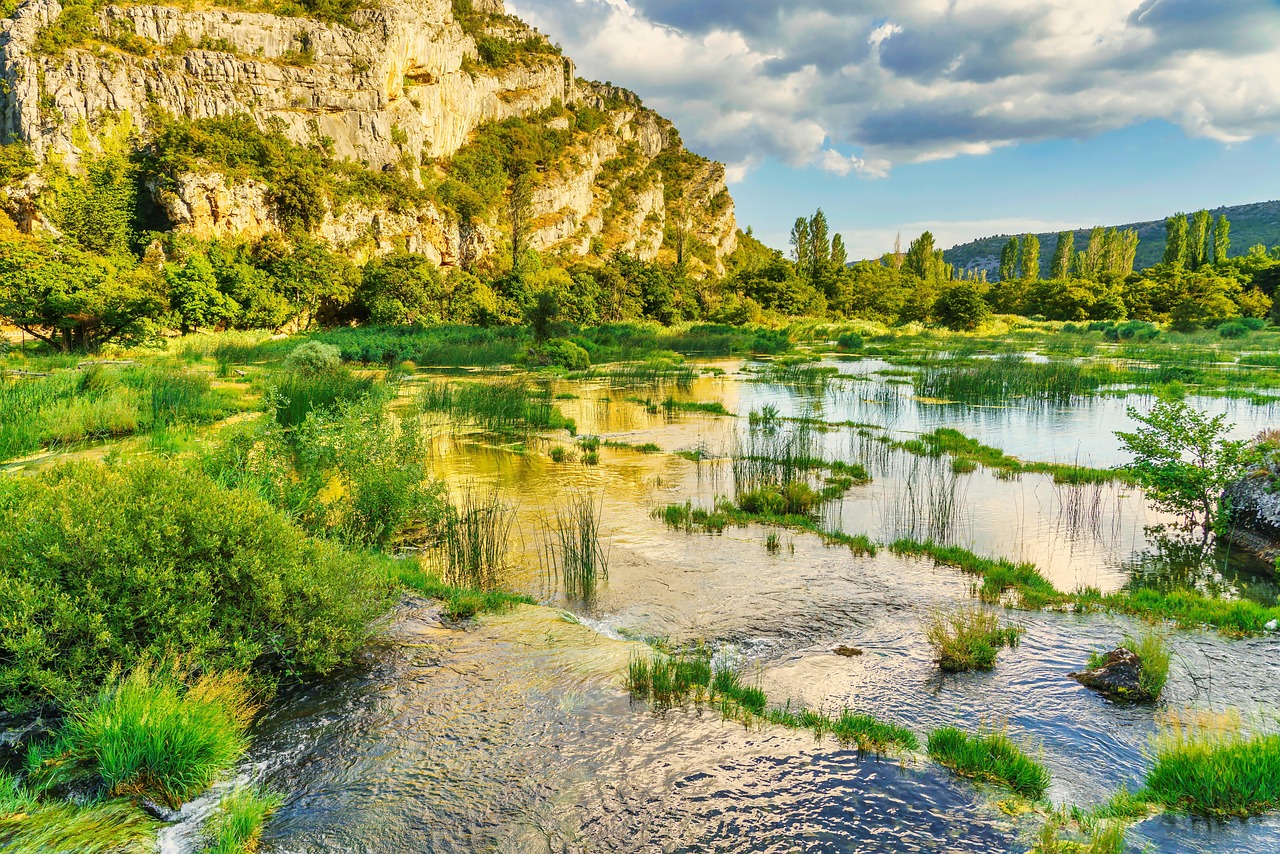
The rapids zones of rivers like the Cross River in Nigeria, the Congo tributaries, and the Volta system in Ghana feature water surging over exposed granite and sandstone. Dissolved oxygen is extremely high due to constant turbulence. Water is soft to moderately hard (GH 3-10), slightly acidic to neutral (pH 6.5-7.5), and temperatures hover around 24-27°C. Aquatic plants are almost absent in the fastest sections — instead, biofilm and aufwuchs (a layer of algae, microorganisms, and detritus) coat every rock surface, forming the base of the food chain.
Hardscape: Bold and Heavy
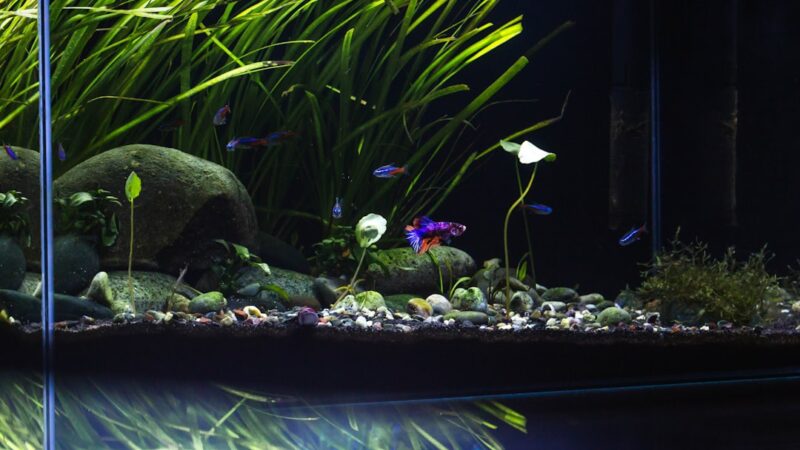
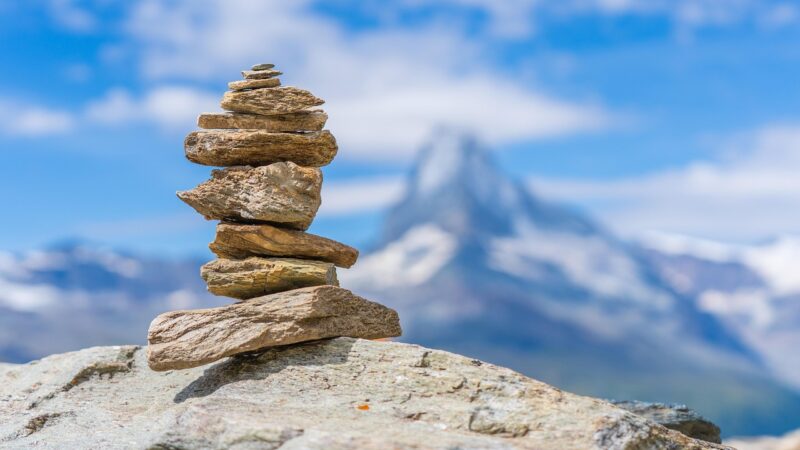
Use large, rounded river rocks as your primary hardscape. Granite cobbles in grey and brown tones create the most authentic look. Stack them to form channels and crevices that direct water flow, simulating the uneven riverbed terrain. Aim for a layout where 60-70% of the base is covered in stone with open sand channels between clusters. Avoid sharp volcanic rocks or artificially coloured stones. Each rock should be large enough that the current does not move it — pieces weighing 1-3 kg each for a 120-litre tank work well.
Creating Powerful Flow
Current is the defining feature of this biotope. You need turnover of 15-20 times tank volume per hour, far more than a typical planted setup. A canister filter alone will not suffice. Add a wavemaker or powerhead — the Hydor Koralia Nano ($20-$30 on Shopee) or a small Jebao wavemaker provides the extra push. Direct the flow lengthwise across the tank so water moves from one end to the other. Position the return near the surface and the powerhead mid-tank for layered current. Your fish will actively swim into the flow, displaying natural rheophilic behaviour that is mesmerising to watch.
Substrate and Minimal Planting
Coarse sand and gravel (2-5 mm grain) fill the channels between rock clusters. Skip the aquasoil — rapids zones have mineral, nutrient-poor substrates. Plants are optional and should be limited to species that naturally grow on rocks in current. Anubias barteri var. nana attached to stone crevices is the most realistic choice, as Anubias species are native to West African waterways. Bolbitis heudelotii (African water fern) is another excellent option — it thrives attached to rocks in moderate to strong flow and occurs naturally in these exact habitats.
Fish Selection
Rheophilic species are essential for authenticity. Steatocranus casuarius (buffalohead cichlid) is the classic rapids cichlid — a bottom-dwelling, rock-hopping fish that has evolved a reduced swim bladder to stay low in fast current. A pair is ideal for a 120-litre setup, priced around $15-$25 each. Pelvicachromis pulcher (kribensis) is a colourful and more readily available alternative that adapts to moderate flow.
For the upper water column, Congo tetras (Phenacogrammus interruptus) add iridescent colour and active schooling behaviour. A group of 8-10 creates a stunning display as they swim against the current. Synodontis catfish — particularly Synodontis nigriventris (upside-down catfish) — complete the biotope with their characteristically quirky inverted swimming.
Maintenance Considerations
High flow means excellent oxygenation but also faster evaporation, particularly in Singapore’s warm, humid climate. Top up weekly with treated tap water. The strong current keeps detritus suspended and directed toward your filter intake, reducing the need for manual substrate cleaning. Scrape algae from the front glass but allow biofilm and aufwuchs to develop on the rocks — this is natural and provides grazing surfaces for your fish. Feed sinking pellets and wafers that reach the bottom before the current sweeps them away.
Why This Biotope Works in Singapore
Singapore’s soft tap water (GH 2-4, pH 6.5-7.0) falls within the natural parameter range for many West African rapids species, requiring minimal adjustment. The ambient temperature of 28-32°C is slightly above the preferred range for some species, but a clip-on fan or air-conditioned room brings conditions to an ideal 25-27°C. A West African river rapids biotope stands out at aquascaping events and in living rooms precisely because it defies expectations — proving that a tank without lush plants can be just as captivating as the greenest Dutch layout.
Related Reading