
How to Start Fishkeeping as a Hobby: Complete Beginner Roadmap
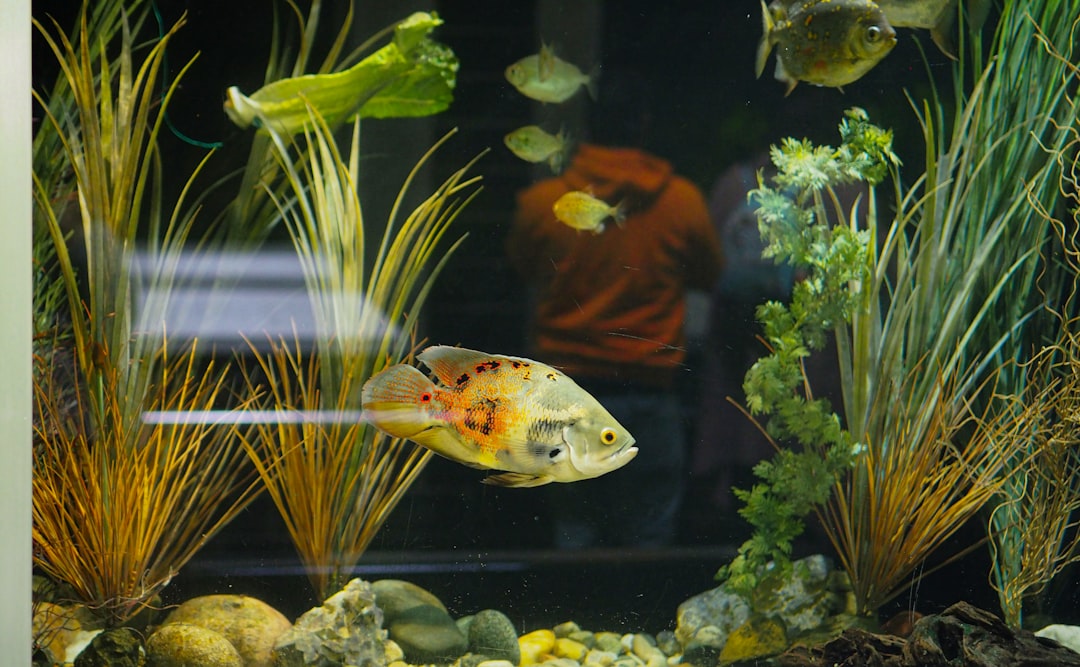
Fishkeeping is one of the most rewarding hobbies you can pick up, but the sheer volume of information online makes it hard to know where to begin. This start fishkeeping hobby beginner guide from Gensou Aquascaping at 5 Everton Park, Singapore, strips the process down to clear, sequential steps so you can go from zero to a thriving tank with confidence.
Decide What Kind of Tank Excites You
Before buying anything, spend a week browsing aquarium content to discover what appeals to you. A lush planted tank with small schooling fish? A simple betta display? A shrimp-only nano tank? Your vision determines tank size, equipment and budget. Beginners in Singapore often start with a tropical freshwater community tank of 40-60 litres, large enough to be stable yet small enough to fit comfortably on a desk or cabinet in an HDB flat or condo.
Set a Realistic Budget
A basic 45 cm tank with filter, light and lid costs $40-$80 SGD from Shopee or local shops. Add substrate ($10-$20), water conditioner ($12), a test kit ($35-$45) and your first batch of fish ($15-$30), and you are looking at roughly $120-$200 SGD all in. Resist the urge to buy everything at once. Purchase the tank and equipment first, cycle it, and only then add livestock. This phased approach spreads costs and prevents impulse purchases.
Understand the Nitrogen Cycle
This is the single most important concept for any new fishkeeper. Fish produce ammonia, bacteria convert ammonia to nitrite, then other bacteria convert nitrite to less harmful nitrate. Water changes remove nitrate. Your tank must complete this cycle before fish go in, a process that takes three to six weeks. Use a liquid test kit to monitor ammonia, nitrite and nitrate levels. When both ammonia and nitrite hold at zero after dosing, your tank is ready. Patience here saves fish lives.
Choose Beginner-Friendly Fish
Hardy species that tolerate minor parameter fluctuations are ideal for your first tank. Endler’s livebearers, harlequin rasboras, cherry barbs and Corydoras paleatus (peppered corys) all adapt well to Singapore’s soft, warm tap water. A single betta in a planted nano tank is another excellent starting point. Avoid sensitive species like discus, crystal shrimp or wild-caught rarities until you have a few months of experience and a stable tank behind you.
Stock Slowly and Feed Sparingly
Add fish in small groups of three to five at a time, waiting at least two weeks between additions. This allows your biological filter to scale up gradually without being overwhelmed. Overfeeding is the number one killer of beginners’ fish. Offer only what your fish consume within two minutes, once or twice a day. Uneaten food decays, spikes ammonia and fuels algae. A missed feeding day does no harm at all; overfeeding does plenty.
Establish a Simple Maintenance Routine
Weekly water changes of 20-30% are the backbone of a healthy tank. Use a siphon to vacuum debris from the substrate while draining. Treat replacement water with a dechlorinator like Seachem Prime before adding it back. Wipe the front glass with an algae scraper. Rinse your filter sponge in old tank water once a month, never under the tap, as Singapore’s chloramine-treated water kills beneficial bacteria on contact. This routine takes 15-20 minutes and becomes second nature quickly.
Join the Local Community
Singapore has a vibrant fishkeeping community across Facebook groups, Telegram chats and forums like AquaticQuotient. Joining these spaces gives you access to experienced hobbyists who can troubleshoot problems, recommend local shops and even share or sell plants and fish at friendly prices. The aquarium shops clustered around Serangoon North Avenue 1 and C328 at Clementi are worth visiting in person to see livestock before buying. Talking to shopkeepers builds knowledge that no amount of YouTube videos can replace.
Enjoy the Journey
Every fishkeeper loses a fish or battles an algae bloom at some point. These setbacks are learning experiences, not reasons to quit. Keep a simple log of water parameters, fish additions and any issues. Over months, you will notice patterns and develop intuition that no guide can teach. Fishkeeping rewards patience, observation and a willingness to learn. Welcome to the hobby, and feel free to visit Gensou Aquascaping for hands-on advice whenever you need it.
Related Reading



