Top Fishkeeping Mistakes Beginners Make and How to Avoid Them
New fishkeepers often lose their first batch of fish within weeks — not from bad luck, but from preventable errors. This fishkeeping mistakes beginners make guide identifies the most common pitfalls and how to sidestep them. Gensou Aquascaping Singapore at 5 Everton Park has spent over 20 years helping newcomers, and nearly every fishkeeping mistake beginners make follows a predictable pattern.
Skipping the Nitrogen Cycle
Buying fish on the same day as the tank is the single most common beginner error. An uncycled aquarium has no beneficial bacteria to convert ammonia — excreted by fish through gills and waste — into less toxic nitrate. Ammonia and nitrite spike within days, burning gills, suppressing immune systems, and often killing fish outright.
Fishless cycling takes 2–4 weeks. Add pure ammonia to the empty tank, dose to 2–4 ppm, and let bacteria colonise the filter media naturally. Test daily with a liquid kit. When ammonia and nitrite both read zero within 24 hours of dosing, the cycle is complete. Patience here saves both money and fish lives.
Overstocking the Tank
A 30-litre tank cannot house ten neon tetras, a pleco, and a pair of angelfish. Yet beginners regularly attempt combinations like this after a single visit to the fish shop. Overstocking overwhelms the biological filter, increases aggression, and degrades water quality faster than maintenance can correct.
A conservative rule: 1 cm of fish per 2 litres of water for small tropical species. Research adult sizes — that cute 3 cm pleco in the shop grows to 30 cm or more depending on species. Singapore’s warm ambient temperatures of 28–32°C increase fish metabolism, which means higher oxygen demand and waste output compared to cooler climates.
Overfeeding
Fish do not need as much food as most people think. A pinch of flakes or a few pellets consumed within two minutes, once or twice daily, is sufficient. Uneaten food sinks, decomposes, and releases ammonia. In Singapore’s heat, decomposition happens rapidly. Overfeeding is the leading cause of cloudy water, algae blooms, and pest snail explosions in beginner tanks.
Ignoring Water Changes
Some beginners believe a good filter eliminates the need for water changes. It does not. Filters convert ammonia to nitrate, but nitrate accumulates over time and is only removed through water changes. Aim for 25–30% weekly using dechlorinated PUB tap water treated to neutralise chloramine. Skipping water changes for a month can push nitrate above 80 ppm — stressful for most species and an open invitation for algae.
Mixing Incompatible Species
Not all peaceful-looking fish belong together. Tiger barbs nip flowing fins, making them terrible tankmates for bettas or guppies. Dwarf cichlids claim territory aggressively in small tanks. Cold-water species like goldfish should never share space with tropical fish — their temperature and waste profiles are fundamentally different.
Research compatibility before buying. Reliable sources include SeriouslyFish.com and local Singapore fishkeeping forums. If the shop assistant says “anything goes,” seek a second opinion.
Using Untreated Tap Water
PUB tap water in Singapore contains chloramine, a disinfectant more stable than chlorine. Simply letting water sit overnight — a trick that works for chlorine — does not remove chloramine. You must use a water conditioner that breaks the chloramine bond. Seachem Prime and API Stress Coat are popular options locally, costing $8–15 per bottle. Skipping this step can kill fish within hours.
Neglecting Water Testing
Healthy-looking water can still harbour lethal ammonia or nitrite levels. A liquid test kit for ammonia, nitrite, nitrate, and pH ($30–45) is essential equipment, not an optional accessory. Test weekly during the first three months and after any fish deaths, new additions, or medication use. Strips are convenient but less accurate — invest in liquid reagents for reliable results.
Buying Equipment Based on Price Alone
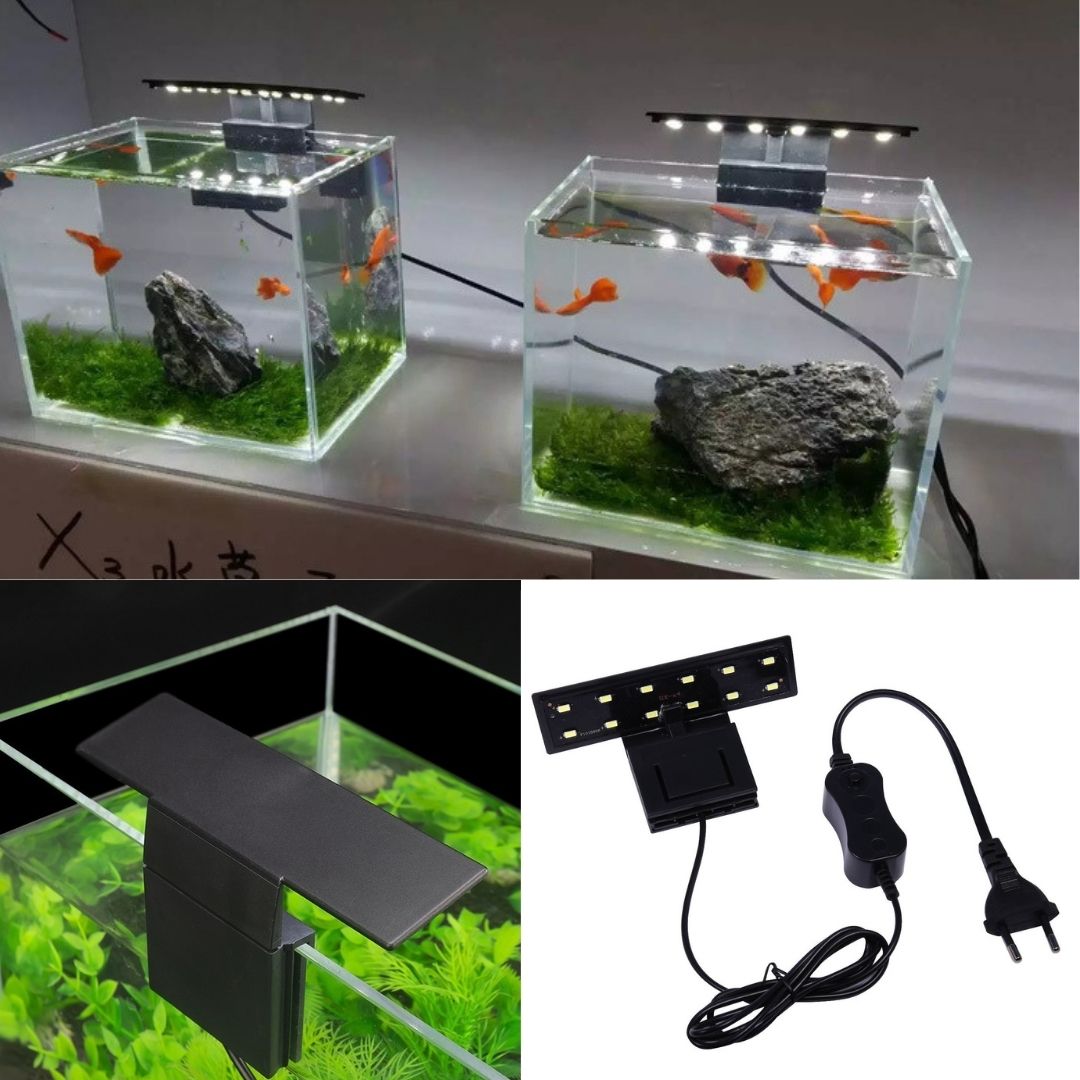
The cheapest filter, heater, or light often fails first. Replacement costs and dead livestock quickly exceed the savings. That said, you do not need top-tier equipment as a beginner. Mid-range brands available in Singapore — like ISTA, Eheim, and Aquael — offer solid reliability without premium pricing. Budget $150–350 for a complete 60-litre setup. At Gensou Aquascaping, we always recommend spending more on filtration and less on decorations — a fishkeeping mistakes beginners make guide boils down to prioritising biology over aesthetics.
Related Reading