Myanmar Inle Lake Biotope Aquascape: Floating Gardens and CPD
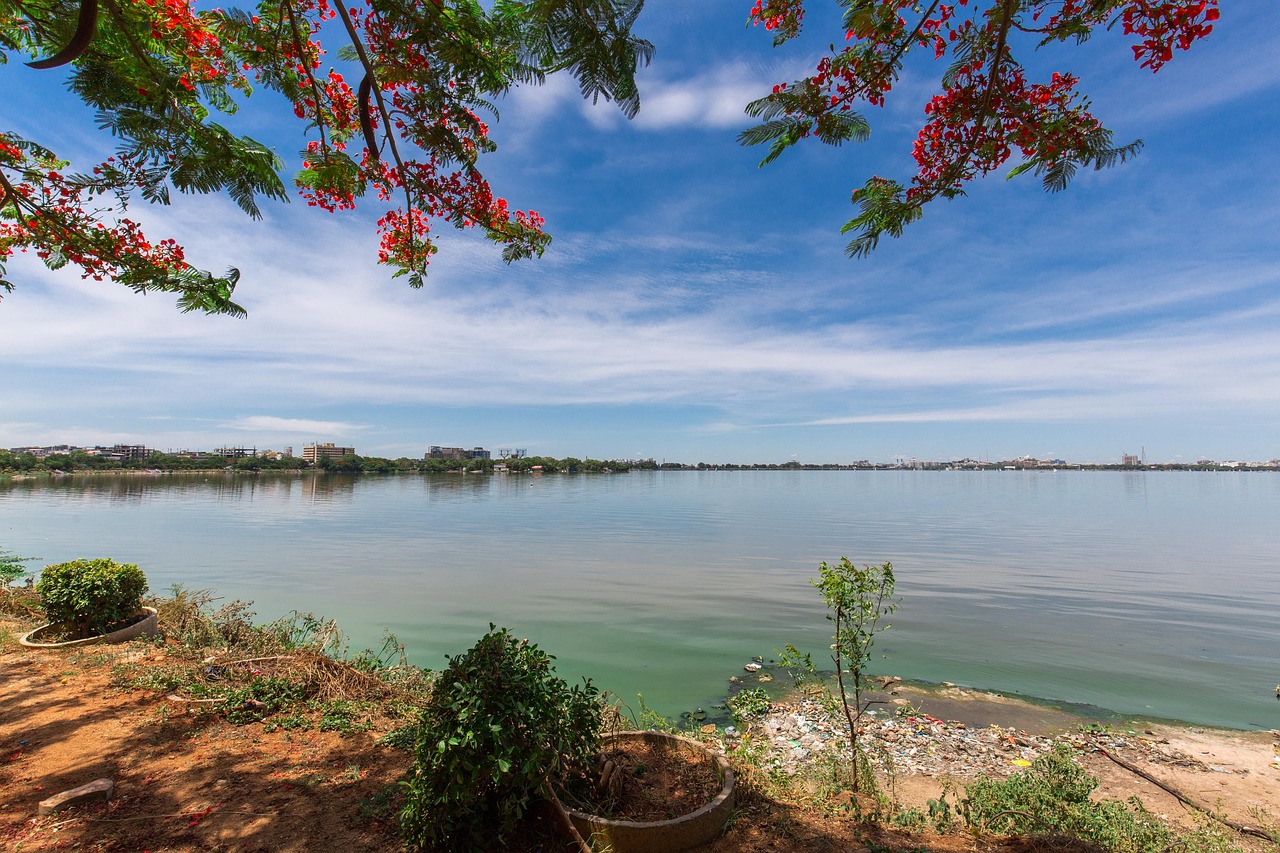
Inle Lake in Myanmar’s Shan State is a shallow, mineral-rich body of water famous for floating gardens, leg-rowing fishermen and some of the most sought-after nano fish in the hobby. A Myanmar Inle Lake biotope aquascape guide lets you recreate this unique environment at home — soft current, limestone-influenced water and jewel-toned celestial pearl danios darting between Vallisneria strands. Gensou Aquascaping at 5 Everton Park, Singapore, has built several Inle biotope displays, and this guide shares what we have learned.
Understanding Inle Lake Habitat
Inle Lake sits at roughly 880 metres elevation, so its water temperature averages 20-25 °C — cooler than typical lowland tropical environments. The lake is shallow (2-4 metres on average), heavily vegetated and fed by calcium-rich limestone springs. Water parameters hover around pH 7.5-8.5, GH 8-12 and KH 6-10. This is harder and more alkaline than most Asian biotopes, which makes it an interesting challenge for aquascapers accustomed to soft, acidic setups.
Fish Selection
The celestial pearl danio (Danio margaritatus), originally described from a satellite lake near Inle, is the star species. Males display deep blue flanks peppered with gold spots, intensifying colour during courtship. Keep them in groups of 10 or more to see natural shoaling behaviour. Other Inle-region species include Danio erythromicron (emerald dwarf rasbora), Microdevario kubotai and several Yunnanilus loach species that sift through substrate.
In Singapore, CPDs retail for around $3-$5 each and are readily available at shops along Serangoon North Avenue 1 and on Carousell. Buying in bulk often brings the price down to $2-$3 per fish.
Temperature Considerations for Singapore
Here is the primary challenge: Inle species prefer 20-25 °C, while Singapore’s ambient temperature sits at 28-32 °C. You will likely need a small aquarium fan or chiller to bring temperatures down to 24-26 °C, which CPDs tolerate well. A clip-on fan costing $15-$30 typically drops water temperature by 2-4 °C through evaporative cooling. Monitor with a digital thermometer and adjust fan speed as needed.
Hardscape: Limestone and Pebbles
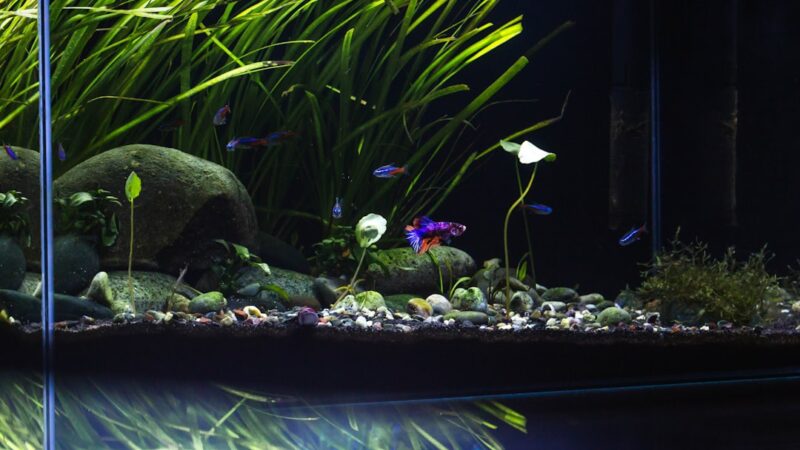
Inle Lake’s geology is dominated by limestone, so use pale grey limestone rocks or Seiryu stone to replicate the lakebed character. Arrange pieces horizontally rather than vertically — the lake is shallow and flat, not mountainous. Scatter rounded river pebbles of 1-3 cm diameter across the foreground to mimic the natural substrate. A fine sand base of 2-3 cm depth beneath the pebbles completes the foundation.
Limestone slowly raises pH and KH in soft water, which actually benefits this biotope since Inle species evolved in alkaline conditions. Singapore’s PUB tap water (GH 2-4, slightly acidic) will gradually harden with limestone present — test weekly and allow the parameters to settle over the first month.
Plant Palette
Inle Lake supports dense stands of Vallisneria spiralis, Hydrilla verticillata and various Ceratophyllum species. Plant tall Vallisneria along the back and sides to create the dense vegetation corridors that CPDs use for shelter and spawning. Ceratophyllum demersum (hornwort) floats freely or anchors loosely in the substrate, adding mid-water structure. Avoid demanding CO2-hungry plants — this biotope thrives as a low-tech, moderate-light setup.
Water and Filtration
Gentle flow is essential. Inle Lake is a still or slow-moving environment, and CPDs dislike strong currents. A small sponge filter or a canister running at reduced output via an inline valve provides adequate filtration without blasting tiny fish across the tank. Target 3-4 times tank volume turnover per hour. Maintain pH at 7.5-8.0, GH 6-10 and keep nitrate below 20 ppm with weekly 25 % water changes.
Breeding in the Biotope
Celestial pearl danios scatter adhesive eggs among fine-leaved plants and moss. Dense Ceratophyllum thickets or a clump of Java moss provides ideal spawning sites. Adults will eat eggs and fry, so a well-planted tank with plenty of hiding spots increases fry survival. You can also collect eggs by adding a spawning mop and transferring it to a separate rearing container.
Bringing Inle Lake Home
An Inle Lake biotope aquascape rewards patience and restraint. Keep the layout open and horizontal, the water clean and slightly alkaline, and the flow gentle. The payoff is watching CPDs display their remarkable colours against a naturalistic limestone and Vallisneria backdrop — a small window into one of Southeast Asia’s most remarkable freshwater habitats, right in your Singapore home.
Related Reading