
Lake Victoria Biotope Aquascape: East Africa’s Troubled Jewel
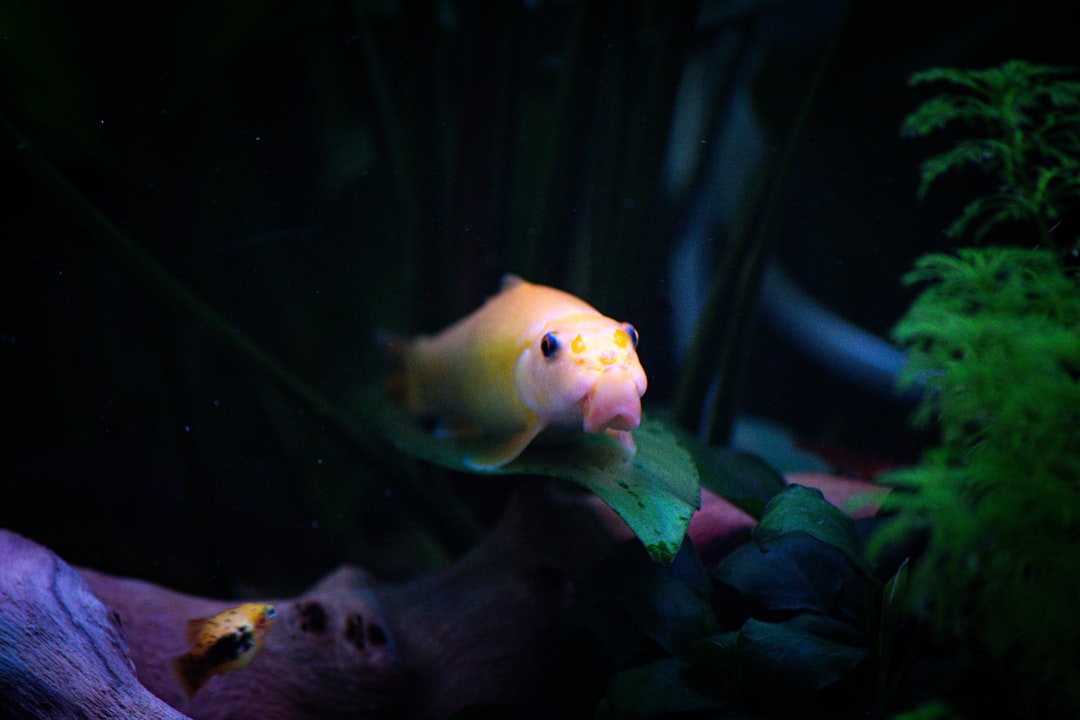
Lake Victoria was once home to more fish species than any other lake on Earth — an evolutionary laboratory that produced hundreds of endemic cichlid species in an eyeblink of geological time. Today it’s a conservation story as much as an aquascaping one: the Nile perch introduction in the 1950s and subsequent eutrophication have driven dozens of species to extinction or near-extinction. Building a Lake Victoria biotope aquascape is therefore both an aesthetic project and a small act of preservation awareness. At Gensou Aquascaping in Everton Park, Singapore, we consider it one of the most interesting and underappreciated biotope styles available to hobbyists.
Understanding the Natural Habitat
Lake Victoria is vast — 68,800 km² across Uganda, Kenya, and Tanzania — and its cichlid communities are structured by depth, substrate type, and light penetration. The rocky shoreline habitats (analogous to the rocky mbuna zones of Lake Malawi) host most of the species available in the hobby: Haplochromis and Pundamilia species occupy crevices and open water just above the rocks. Sandy areas host species like Astatotilapia burtoni. The water is moderately hard (GH 6–10), slightly alkaline (pH 7.5–8.5), warm at 23–27°C, and notably turbid due to algal blooms driven by agricultural runoff — though aquarium representations typically depict cleaner, pre-disturbance conditions.
Choosing Victoria Cichlid Species
Pundamilia nyererei is the flagship species for Victoria biotopes — the male’s vivid red-orange flanks and dark barring make it one of the most visually dramatic cichlids in the hobby, comparable to the best Malawi peacocks. Haplochromis obliquidens (the zebra obliquidens), Astatotilapia latifasciata (the obliquidens zebra), and Haplochromis sp. “thick skin” are other accessible species. Availability in Singapore varies — check specialist cichlid sellers on Carousell and at shops around Serangoon North, where Victorian cichlids occasionally appear in group buy batches. Prices typically range from $8–$25 per fish.
Hardscape for a Victoria Biotope
Rocky substrate is the authentic choice: rounded river stones or angular sedimentary rocks in warm brown and grey tones. Avoid the sharp, angular look of Seiryu stone — it’s too clean and too blue-grey for a Victoria aesthetic. Laterite clay rocks, sandstone, and mixed rounded cobbles better reflect the iron-rich laterite shorelines of the lake. Stack the rocks to create caves and overhangs; Victorian cichlids are territorial and need sightline breaks between males to reduce aggression in the confines of an aquarium. A sandy foreground of fine tan-coloured sand completes the look.
Plants in a Victoria Biotope
Plant growth in Lake Victoria’s shallow zones included Ceratophyllum demersum (hornwort), Vallisneria species, and submerged aquatic macrophytes along protected bays. However, most Victoria cichlids are destructive with plants — they dig, uproot, and shred vegetation as part of natural feeding and territory-marking behaviour. Sticking to tough, fast-growing species like Vallisneria spiralis or Anubias tied to rocks (so roots can’t be dug up) is the practical compromise. Many dedicated Victoria biotope keepers omit plants entirely, letting the rock architecture carry the composition.
Water Chemistry and Filtration
Target pH 7.8–8.2, GH 8–12, temperature 24–26°C. Singapore’s tap water at GH 2–4 is too soft — you’ll need to buffer it up using sodium bicarbonate (raises KH and pH) plus a GH supplement like Salty Shrimp GH/KH+. A chiller may be needed during Singapore’s hottest months (March–May) to keep temperatures in the low-to-mid 20s, though many keepers run Victorian cichlids at ambient 26–28°C without apparent ill effect. Victorian cichlids are robust but produce significant waste — a canister filter sized for 2–3× the tank volume, plus regular 30% weekly water changes, is essential.
Tank Size and Stocking Strategy
A minimum 120 cm (240 litre) tank is advisable for a Victoria cichlid biotope — smaller tanks amplify territorial conflict to a point where fish become permanently stressed. A species-only tank with one dominant male and two or three females works well; a multi-species tank requires very careful selection of species with different colouration and territory positions. Keep male-to-female ratios at 1:2 or 1:3 to distribute aggression from dominant males. Observe carefully during the first two weeks of any new introduction — Victorian cichlids can be swift and precise when targeting a weaker individual.
The Conservation Dimension
Several Lake Victoria cichlid species exist in captivity in numbers that exceed their wild populations. The Haplochromis and Pundamilia kept by hobbyists worldwide represent genuine conservation value, and breeding them in aquariums is a small but meaningful contribution. Some European and American cichlid societies maintain studbooks for critically endangered Victorian species. Connecting with the cichlid keeper community in Singapore — through local forums and the Cichlid Association Singapore — provides access to line-bred specimens with known provenance, which is both more ethical and often more colourful than wild-caught imports.
Related Reading



