
Indian Western Ghats Biotope Aquascape: Scarlet Badis Stream
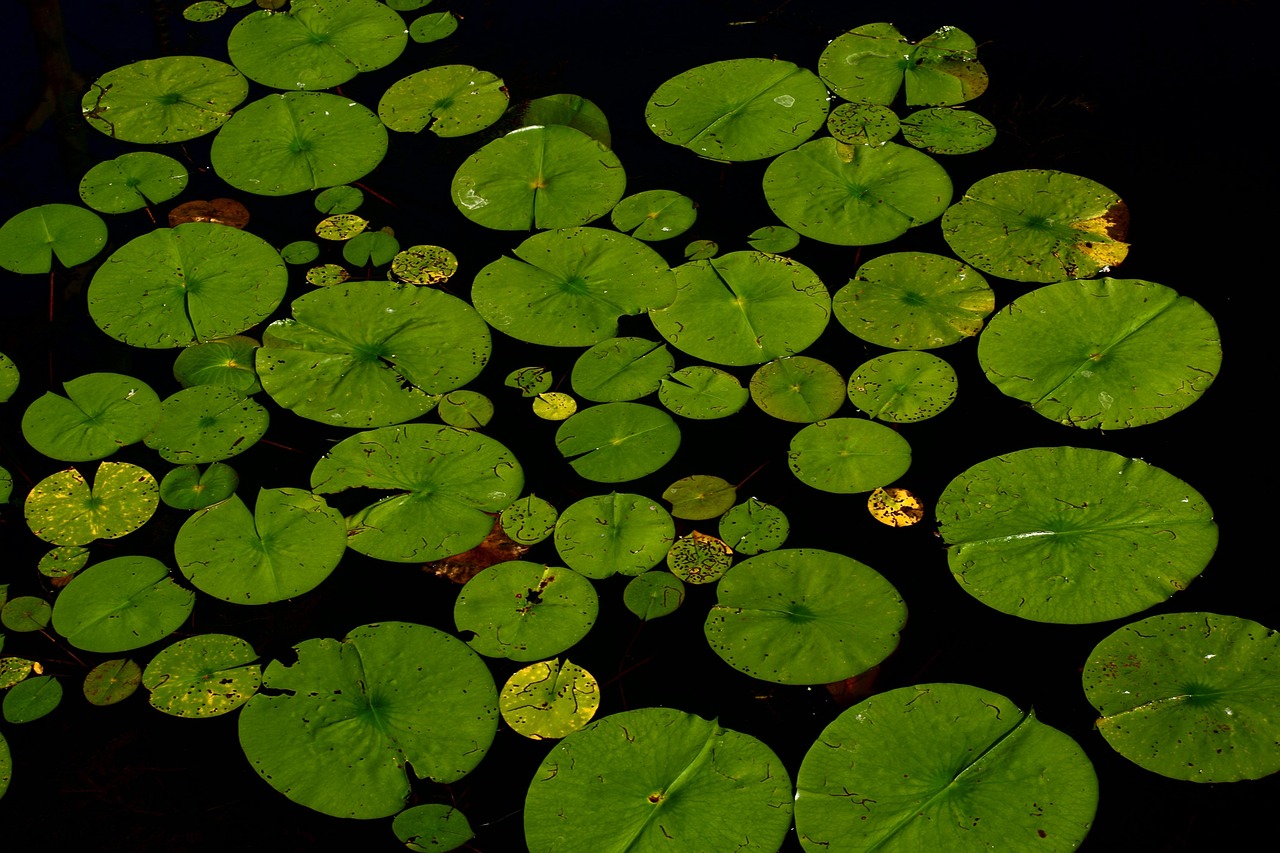
The Western Ghats mountain range runs 1,600 km along India’s southwestern coast, sheltering some of the most biodiverse freshwater habitats on earth. An Indian Western Ghats biotope aquascape recreates the shallow, slow-flowing hill streams where Dario dario — the scarlet badis — hunts among leaf litter and mossy stones. This guide from Gensou Aquascaping in Singapore walks you through an authentic layout that respects the natural environment while fitting comfortably in a desktop nano tank.
Understanding the Natural Habitat
Scarlet badis inhabit clear, gently flowing streams in Kerala and Karnataka at elevations between 300 and 900 metres. Water is soft (GH 2-6) and slightly acidic (pH 6.0-7.0), with temperatures ranging from 18-26 °C — cooler than typical tropical aquariums. The substrate is a mix of fine gravel, sand, and decomposing leaf litter, with scattered smooth pebbles and exposed root systems. Aquatic plants are sparse; terrestrial mosses and ferns drape over rocks at the water’s edge.
Tank Size and Dimensions
A 30-45 litre tank with a footprint of at least 45 x 30 cm provides enough territory for a trio of scarlet badis (one male, two females). Shallow depth is authentic — these streams are rarely deeper than 30 cm. Low-profile rimless tanks from brands like ADA or locally available Dymax cubes work well and keep the water surface accessible for gas exchange, which matters if you skip CO2 injection in a biotope setup.
Hardscape Selection
Use rounded river stones in muted browns and greys — nothing too angular or brightly coloured. Seiryu stone is too sharp and too alkaline for this biotope. Instead, look for smooth basalt or local river pebbles from aquascaping shops along Serangoon North Avenue 1. Arrange stones in small clusters with gaps between them, leaving open sandy patches that mimic the stream bed. Add a piece of driftwood angled like a partially submerged root — spider wood or Manzanita branches both work well.
Substrate and Leaf Litter
Layer fine natural sand (1-2 mm grain) as the base, about 2-3 cm deep. Scatter dried Indian almond leaves (Terminalia catappa) and jackfruit leaves across the substrate to replicate the decomposing leaf bed. These leaves also release tannins that tint the water a natural amber and provide grazing surfaces for microorganisms — the primary food source for scarlet badis in the wild.
Plant Choices for Authenticity
True Western Ghats stream plants are difficult to source commercially. Acceptable biotope-adjacent substitutes include Rotala rotundifolia (native to the broader Indian subcontinent), Java moss (Taxiphyllum barbieri), and Hygrophila polysperma. Attach moss to stones and driftwood in irregular patches rather than neat carpets. Keep planting sparse — in these hill streams, the hardscape and leaf litter dominate, not lush vegetation.
Livestock Beyond the Scarlet Badis
Pair your Dario dario with small, peaceful companions that share the same geographic origin. Puntius gelius (golden dwarf barb) shoals in the mid-water, and Caridina species from India can fill the cleanup crew role. Avoid boisterous fish — celestial pearl danios or tetras are from different continents and break the biotope theme. Limit stocking to keep the bioload low, as this scape relies on gentle filtration.
Water Parameters and Maintenance
Target pH 6.2-6.8, GH 2-5, and temperature 22-26 °C. Singapore’s PUB tap water already sits at GH 2-4, so minimal adjustment is needed — a rare advantage for this particular biotope. In our tropical climate, you may need a small fan or chiller to keep temperatures below 26 °C, especially during April-May hot spells. Perform 20 % weekly water changes and replace decomposed leaves monthly to maintain the natural aesthetic.
Bringing the Biotope Together
An Indian Western Ghats biotope aquascape is about restraint. Resist the urge to fill every gap with plants or pile on colourful fish. Let the leaf litter, muted stone, and amber water tell the story of a quiet hill stream. When a male scarlet badis flares his crimson fins against that natural backdrop, the effect is far more striking than any Dutch-style explosion of colour.
Related Reading



