Best Shrimp Feeding Dishes and Trays for Aquariums
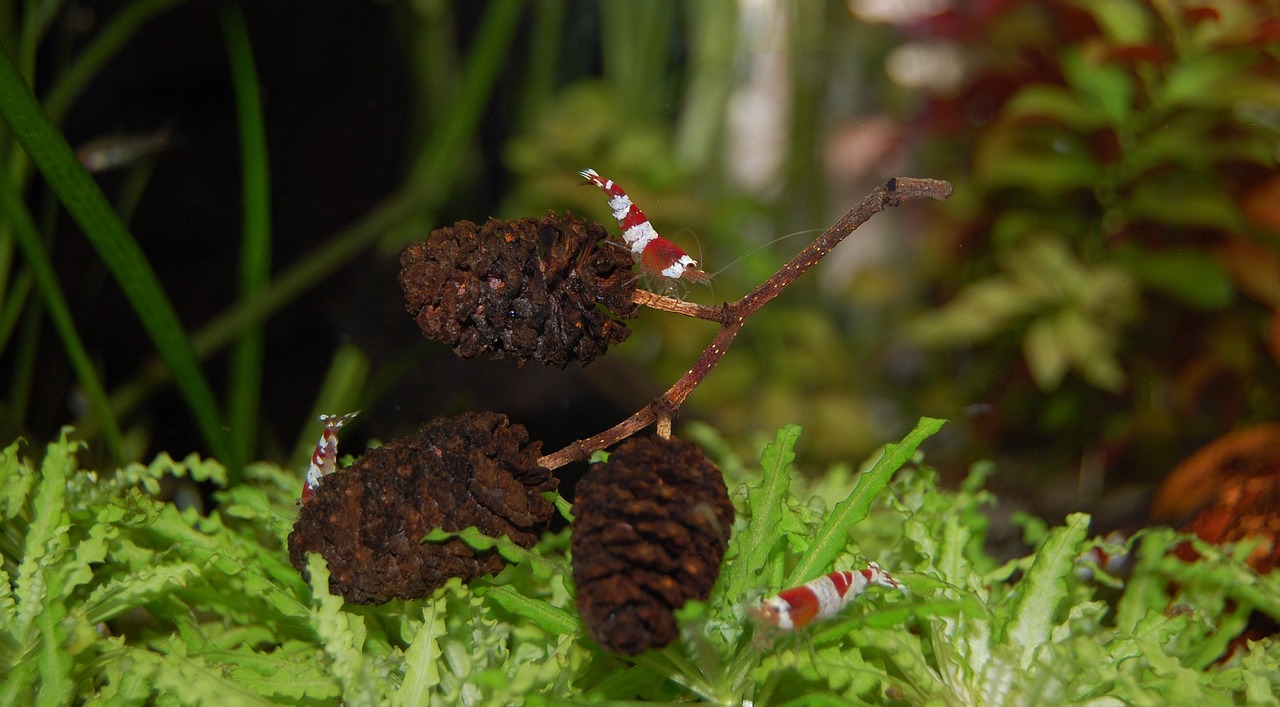
Dropping shrimp food directly onto the substrate seems harmless until uneaten pellets vanish into aqua soil crevices and spike ammonia overnight. A shrimp feeding dish or tray for your aquarium solves this neatly by concentrating food in one spot, making leftovers easy to remove and portion sizes easy to judge. At Gensou Aquascaping in Singapore, we recommend feeding dishes for every shrimp keeper, from casual cherry shrimp colonies to high-grade Taiwan Bee breeders.
Why a Feeding Dish Matters
Shrimp are slow, methodical eaters. A single Snowflake pellet can take a colony of 30 Neocaridina davidi several hours to finish. Without a dish, the food migrates with current, gets buried under leaf litter, or lodges in moss clumps where it decomposes unseen. Feeding dishes keep everything visible and recoverable.
They also help you gauge colony health. If food sits untouched for more than four hours, something may be off with water parameters or the shrimp may be preparing to moult.
Glass Dishes
Small glass dishes, typically 4-6 cm in diameter, are the most popular choice among Singapore shrimp keepers. They cost between $3 and $8 on Shopee and are easy to clean. The transparency makes them nearly invisible against light-coloured substrates. Look for dishes with a slight lip, around 3-5 mm tall, which prevents food from rolling off when shrimp jostle for position.
One downside: glass dishes can crack if dropped during maintenance. Keep a spare on hand.
Ceramic and Slate Trays
Flat ceramic or natural slate trays offer a more natural appearance. Slate pieces can be cut to custom shapes to fit awkwardly placed tank corners. Ceramic dishes sometimes come glazed with decorative patterns, though the glaze must be aquarium-safe and lead-free. Prices range from $5 to $12 locally.
Slate has the added benefit of weight. It stays put on fine-grain substrates where lighter dishes might shift when larger Caridina species climb on and off.
Stainless Steel Mesh Trays
Mesh trays in 304 stainless steel are designed for powdered foods like Bacter AE or crushed algae wafers. The mesh allows biofilm to develop on its surface, giving shrimplets a secondary grazing area between feedings. These trays cost around $6-$10 and are particularly handy in breeding tanks where fry survival depends on constant access to micro food particles.
Placement and Tank Size Considerations
Position the dish in a low-flow zone away from filter inlets and outlets. Near the front glass is ideal because it makes observation easy and cleanup quick with a pipette. For nano tanks under 20 litres, a single 4 cm dish is sufficient. Larger setups of 60 cm or more may benefit from two dishes placed at opposite ends so that shy individuals get fair access.
Avoid placing the dish directly under bright light. Uneaten food exposed to intense illumination encourages spot algae growth on the dish itself.
Feeding Tubes and Pipette Delivery
Some hobbyists pair feeding dishes with a glass feeding tube, a long pipette-like cylinder that delivers food straight to the dish without scattering it through the water column. This keeps the water pristine and is especially valued in crystal-clear Caridina cantonensis setups where any cloudiness is undesirable. Tubes cost about $4-$7 and are widely available at local fish shops around Serangoon North.
Cleaning and Maintenance
Remove leftover food from the dish two to three hours after feeding using a turkey baster or long pipette. Rinse the dish itself every week during water changes. Glass and ceramic dishes respond well to a quick scrub with a soft toothbrush. Avoid soap or detergent; plain old tank water is all you need.
Which Dish Suits Your Setup
For most planted shrimp tanks, a simple glass dish with a low lip is the best shrimp feeding dish in terms of value and function. Breeders running bare-bottom or minimal-substrate tanks may prefer stainless mesh for the added biofilm benefit. Whichever you choose, the discipline of using a feeding dish transforms shrimp care from guesswork into precision. Gensou Aquascaping has seen this simple accessory reduce unexplained shrimp losses in countless Singapore setups.
Related Reading