
How Many Fish Can I Put in My Tank? Stocking Rules Explained
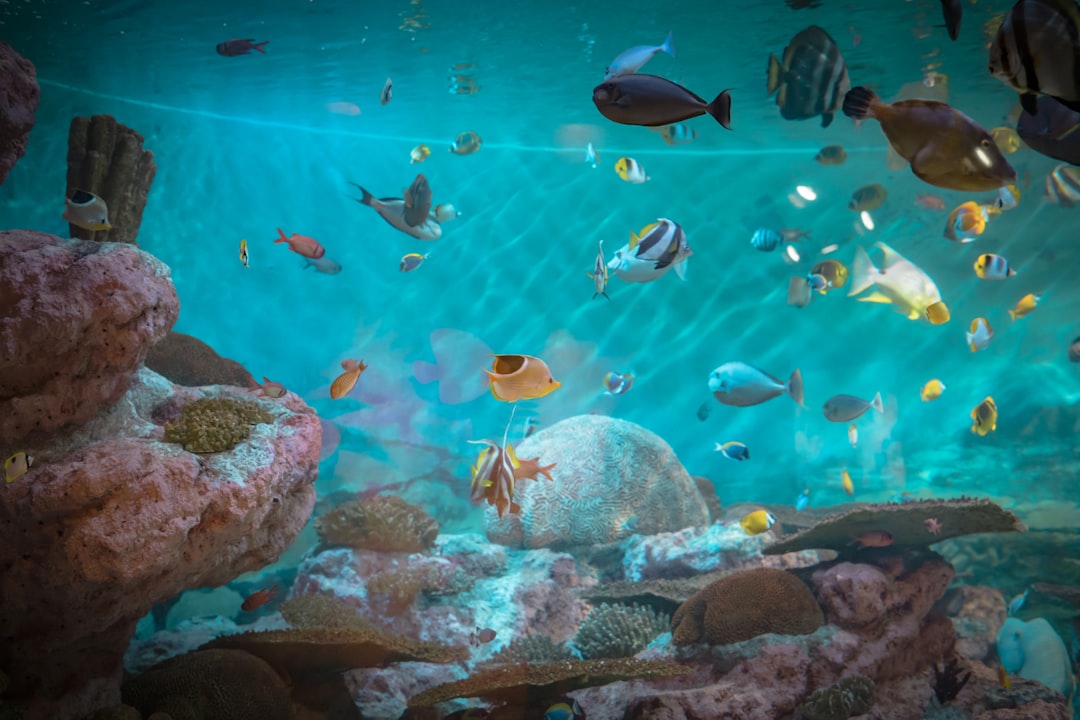
Overstocking is probably the most common mistake in the hobby — and one of the most dangerous. Figuring out how many fish put in tank stocking safely involves more than a one-line rule, but the logic is straightforward once you understand it. Gensou Aquascaping Singapore, with over 20 years of hands-on experience at 5 Everton Park, explains the principles that keep your community healthy and your water clean.
Why the “One Inch Per Gallon” Rule Falls Short
This old guideline suggests one inch (2.5 cm) of fish per US gallon (3.8 litres). It works passably for slim-bodied schooling fish — neon tetras, harlequin rasboras — but collapses for anything heavier-bodied. A 10 cm pleco produces several times the waste of a 10 cm tetra, even though both measure the same length. Body mass, metabolism and feeding habits determine bioload far more accurately than length alone.
Treat the rule as a rough ceiling for slim community fish and nothing more. For stocky species, cichlids or bottom-feeders, cut the allowance in half at minimum.
Bioload: The Real Metric
Bioload is the total ammonia and organic waste your fish produce. High-bioload species — goldfish, oscars, large plecos — foul water rapidly and demand powerful filtration plus frequent water changes. Low-bioload species — micro rasboras, endlers, shrimp — barely register on the same scale. A 60-litre tank can comfortably house 15 ember tetras or a single fancy goldfish — not both, and not interchangeably.
Online calculators like AqAdvisor provide a useful second opinion. Input your tank dimensions, filter model and desired species, and the tool estimates stocking percentage and filtration adequacy. It is not gospel, but it flags obvious overcrowding before you commit.
Filtration Capacity Matters as Much as Volume
A bigger filter extends your stocking headroom because beneficial bacteria colonise more media, processing more ammonia per hour. A hang-on-back rated for 150 litres running on a 60-litre tank provides genuine biological surplus. In Singapore’s warm water (28–30 °C), bacterial activity is naturally higher, which helps — but dissolved oxygen also drops at elevated temperatures, so surface agitation from the filter outlet becomes critical.
Upgrading filtration does not mean you can double the fish count, but it does provide a safety margin that absorbs the occasional feeding mishap or missed water change.
Practical Stocking Examples
For a 40-litre planted nano tank: 8–10 ember tetras, 6 pygmy corydoras and a colony of cherry shrimp is a balanced, visually rich community. For a 60-litre setup: 12 harlequin rasboras, 6 Corydoras habrosus and a pair of honey gouramis works well — active, colourful and within safe bioload limits. A 120-litre tank opens the door to mid-sized fish: 15 cardinal tetras, 8 corydoras, a bristlenose pleco and a centrepiece pair of pearl gouramis.
Each example assumes a cycled tank, moderate planting and filtration rated for the tank size or above. Reduce numbers by 20–30 % if running minimal filtration or no live plants.
Swimming Space and Territory
Volume alone is not enough — tank dimensions matter. A long, shallow tank offers more horizontal swimming space than a tall, narrow tower of the same volume. Active swimmers like danios need length; vertical-oriented species like angelfish benefit from height. Territorial fish — bettas, dwarf cichlids — need sight-line breaks created by hardscape and dense planting so each individual claims a defensible zone without constant conflict.
Crowding peaceful schooling fish too tightly does not cause aggression, but it raises stress, suppresses immune function and accelerates disease. Give every species room to exhibit natural behaviour — schooling, foraging, resting — and the tank looks better for it too.
Adding Fish Gradually
Even in a fully cycled tank, dumping an entire stock list in at once overwhelms the bacterial colony. Add fish in small groups — two to four at a time — with at least a week between additions. Monitor ammonia and nitrite after each batch using a reliable liquid test kit. If either parameter rises above 0.25 ppm, pause stocking and perform water changes until levels return to zero.
This gradual approach lets the biological filter scale up naturally. Rushing it invites “new tank syndrome” — an ammonia or nitrite spike that can kill fish within hours.
When to Stop Adding Fish
Stop stocking when nitrate rises above 20 ppm between weekly water changes, or when aggression, fin-nipping or hiding behaviour increases. These are signals that the system — biological, social or both — has reached its limit. A slightly understocked tank with happy, active fish is always preferable to a packed showcase where every inhabitant is stressed. Understanding how many fish put in tank stocking limits protects both your fish and your enjoyment of the hobby. For tank volume conversions, see our fish tank size guide.
Related Reading



