Aquarium for Therapy Offices in Singapore: Calm and Focus
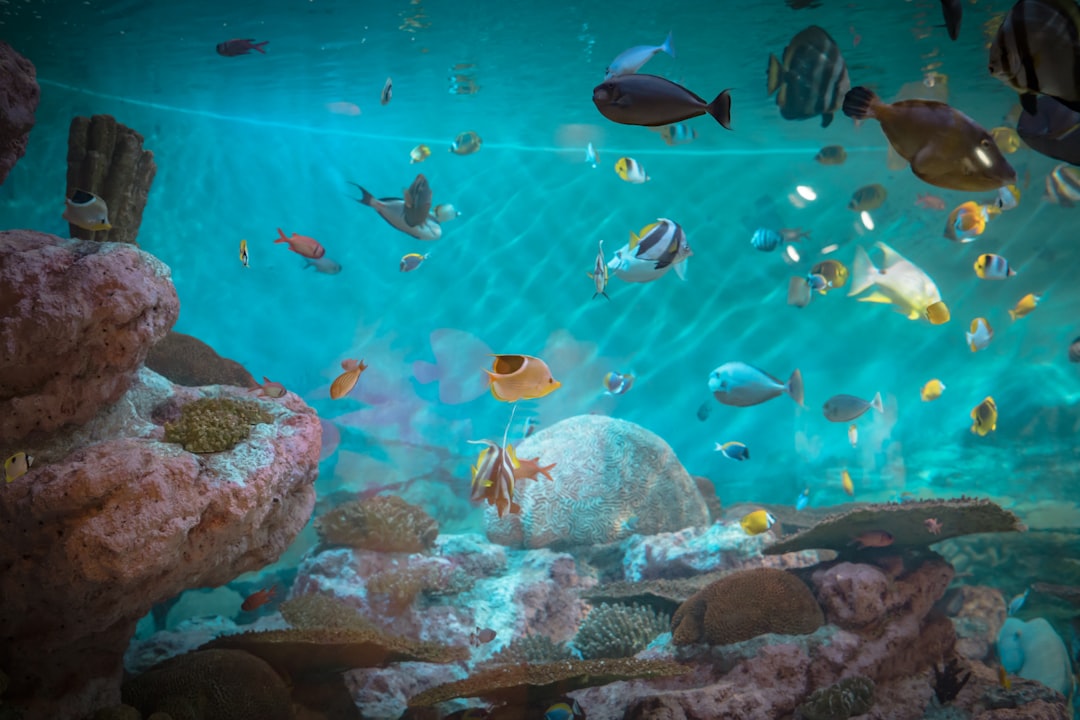
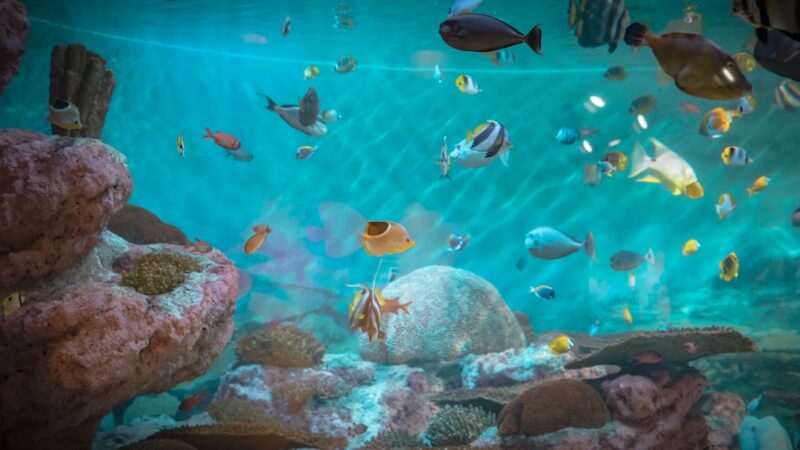
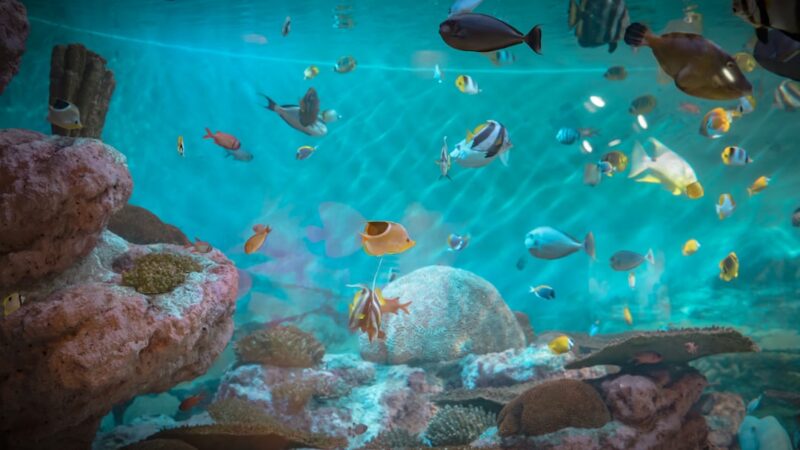
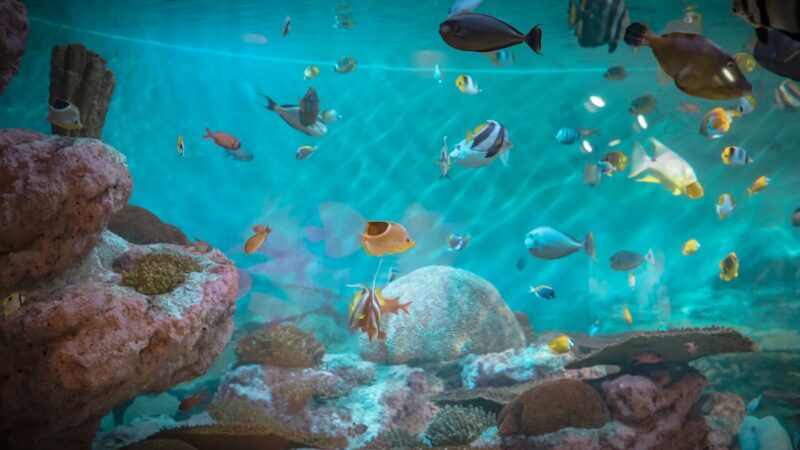
A well-designed aquarium does more than decorate a therapy office — it actively lowers heart rates, reduces perceived wait times and creates an atmosphere of calm before a session begins. The concept of an aquarium therapy office Singapore installation is gaining traction among psychologists, counsellors and physiotherapists across the island. Gensou Aquascaping Singapore, at 5 Everton Park with over 20 years of experience, has designed and maintained several such setups and shares practical guidance here.
The Science Behind Aquariums and Anxiety Reduction
Research published in the journal Environment and Behavior found that observing fish in an aquarium significantly lowers blood pressure and heart rate within five minutes. A 2015 study from the National Marine Aquarium in Plymouth showed that larger, more biodiverse tanks produced stronger calming effects than sparsely stocked ones. For therapy practices dealing with anxious clients — especially children — a living aquatic display offers a non-pharmaceutical intervention that requires no client effort at all.
The gentle, unpredictable movement of fish engages attention without demanding focus, a state psychologists call “soft fascination.” It interrupts rumination loops and provides a natural conversation starter between therapist and client at the beginning of a session.
Ideal Tank Size and Placement
For a waiting room, 60–120 litres strikes the right balance between visual impact and practical maintenance. Smaller tanks lack the drama to hold attention; larger ones demand more upkeep and floor space. Place the tank where seated clients face it directly — at eye level from a sofa or bench, not tucked in a corner behind a magazine rack.
In Singapore’s compact clinic spaces, a wall-mounted or recessed aquarium saves floor area. Even a standalone unit on a sturdy cabinet works, provided it does not obstruct walkways or emergency exits. Check with your building management about weight limits — a filled 120-litre tank with stand exceeds 170 kg.
Choosing Fish for a Calming Effect
Slow, graceful swimmers outperform hyperactive species for therapeutic purposes. Pearl gouramis, honey gouramis and a school of 15–20 cardinal tetras create mesmerising movement without the frantic pace of danios or barbs. Avoid aggressive or territorial species that chase each other — visible conflict defeats the purpose entirely.
Adding a small group of Corydoras or kuhli loaches provides bottom-level activity and endearing “personality” moments that clients — especially younger ones — enjoy watching. Cherry shrimp add subtle, slow-motion foraging behaviour and a pop of red colour without contributing significant bioload.
Low-Maintenance Planting for Professional Settings
A therapy office aquarium should look polished at all times with minimal daily attention. Stick to hardy, slow-growing species: Anubias barteri on driftwood, java fern attached to stones, and Bucephalandra tucked into crevices. These tolerate low-to-moderate light, skip CO2 requirements and hold their shape for weeks between trims. Floating plants like Salvinia soften the light below and add a tranquil canopy effect.
Avoid fast-growing stems that need weekly cutting — in a professional environment, overgrown plants look neglected and undermine the polished impression you want. For detailed plant recommendations, see our easiest aquarium plants for beginners guide.
Equipment That Stays Quiet
Noise matters in a therapy setting. Choose a canister filter or a quality hang-on-back with adjustable flow — both run near-silent when properly maintained. Avoid air pumps with vibrating diaphragms unless paired with a noise-dampening sponge pad underneath. The hum of an aquarium should blend into the background, not compete with soft music or white-noise machines already running in the space.
LED lighting on a timer (8–10 hours daily) automates the visual display. Programmable units with sunrise and sunset ramp-up create a subtle transition that feels natural and avoids the jarring flicker of sudden on/off switches.
Maintenance Considerations for Clinics
Most therapy practices lack staff with aquarium experience, so outsourcing maintenance to a professional service makes sense. Weekly or fortnightly visits covering water changes, glass cleaning, filter checks and plant trimming keep the tank in showcase condition. In Singapore, aquarium maintenance contracts typically run $80–$200 per month depending on tank size and visit frequency — a modest expense relative to the client experience benefit.
An aquarium therapy office Singapore installation is not just decor — it is a functional tool that supports the therapeutic environment. Clients arrive calmer, wait more patiently and enter sessions in a better headspace. At Gensou Aquascaping, we view these projects as some of the most meaningful work we do.
Related Reading
- How to Aquascape for Coworking Lobbies in Singapore: First Impressions
- How to Aquascape for Dental Clinic Waiting Rooms in Singapore
- Easiest Aquarium Plants for Beginners: 15 Hard-to-Kill Species
- Live Plants vs Fake Plants in Aquariums: Pros, Cons and Verdict
- Best First Aquarium Kits in Singapore: Starter Sets Compared
The calming effect that makes office aquariums popular in Singapore extends naturally into clinics and care facilities — our aquarium therapy in healthcare guide looks at those wellness benefits.