Aquascaping for Betta Fish: Complete Layout and Plant Guide
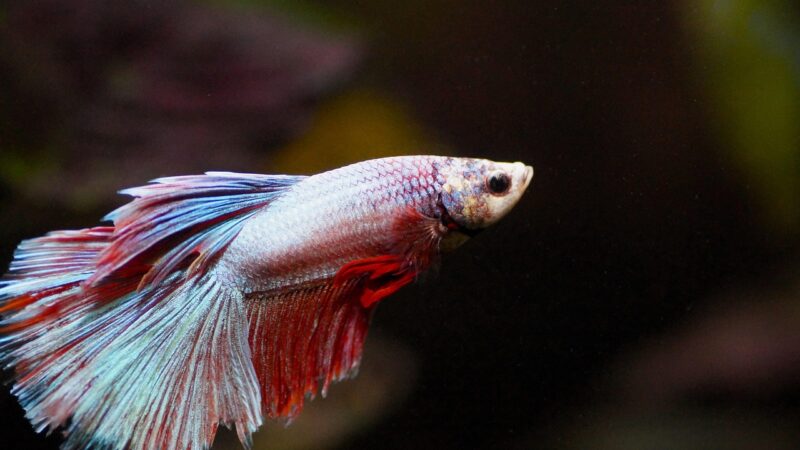
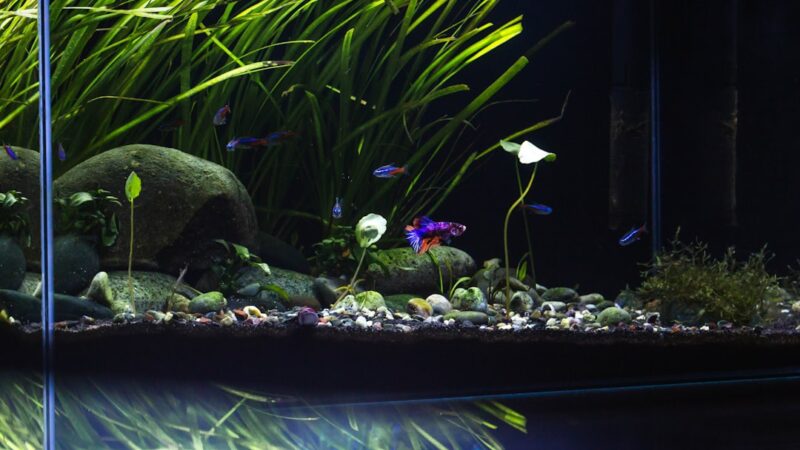
Bettas deserve more than a bare bowl with a plastic plant. A thoughtfully aquascaped tank supports their natural behaviours, reduces stress, and showcases their finnage against a living backdrop. This aquascaping betta fish complete guide from Gensou Aquascaping Singapore — with over 20 years of hands-on experience at 5 Everton Park — walks you through layout principles, plant selection, and hardscape choices tailored specifically to Betta splendens.
Understanding Betta Behaviour for Layout
Bettas are surface-oriented labyrinth fish. They patrol the upper third of the water column, rest on broad leaves near the surface, and flare at perceived rivals. Your aquascape should provide resting spots at multiple heights, gentle sight breaks to reduce constant reflection stress, and easy access to the surface for air-breathing.
Avoid dense, wall-to-wall planting that forces a long-finned betta to push through foliage. Leave open swimming lanes between planted clusters. Think of the layout as a series of rooms connected by corridors rather than a jungle.
Ideal Tank Size and Shape
A 15–20 litre nano tank is the practical minimum for a single betta aquascape. Rectangular or cube-shaped tanks offer more planting area than tall, narrow columns. Rimless glass shows off both the fish and the scape without plastic trim distracting the eye.
In Singapore’s HDB flats, a 25 cm cube on a sturdy desk makes an excellent betta display. Just ensure the surface can support roughly 20 kg once substrate, water, and hardscape are added.
Substrate Selection
Fine-grain aquasoil (Tropica, ADA Amazonia, or budget brands like Gex) supports rooted plants and buffers pH mildly acidic — conditions bettas prefer. A 3–4 cm layer at the front rising to 5–6 cm at the back creates depth and helps anchor stem plants.
Sand caps over soil give a cleaner foreground look, though they can compact and create anaerobic pockets if too thick. For a low-tech betta tank, inert sand with root tabs is a simpler alternative that still grows Cryptocoryne and Anubias well.
Best Plants for Betta Aquascapes
Bettas interact with plants constantly — resting on leaves, weaving between stems, building bubble nests beneath floating cover. Choose species that tolerate low to moderate light and gentle flow.
- Anubias barteri var. nana: Broad, sturdy leaves make perfect resting platforms. Attach to wood or stone — do not bury the rhizome.
- Java fern (Microsorum pteropus): Hardy, low-light, and available in multiple leaf shapes. Tie or glue to hardscape.
- Cryptocoryne wendtii: Tolerates a wide range of conditions. Plant directly into substrate for a lush midground.
- Java moss (Taxiphyllum barbieri): Drape over driftwood for a natural, aged look. Also catches bubble nests beautifully.
- Floating plants: Salvinia minima or red root floaters diffuse light and give bettas a sense of overhead cover.
Hardscape: Wood vs Stone
Driftwood — particularly spider wood or manzanita — creates vertical structure and natural resting perches. It also leaches tannins that tint the water amber, mimicking blackwater habitats bettas historically come from. If you prefer clear water, pre-soak or use activated carbon alternatives to manage discolouration.
Smooth river stones and dragon stone (ohko) work well as anchoring points for epiphyte plants. Avoid sharp-edged rocks that could tear delicate betta fins. Run your finger along every edge before placing a piece — if it snags your skin, it will snag a halfmoon tail.
Flow and Filtration
Long-finned bettas struggle in strong currents. A sponge filter or a small hang-on-back with baffled output keeps flow gentle while maintaining biological filtration. Aim for a turnover of three to four times the tank volume per hour, directed against the back glass to diffuse current before it reaches swimming space.
Spray bars, lily pipes angled toward the glass, or a piece of filter sponge rubber-banded over the outflow nozzle all reduce jet intensity cheaply and effectively.
Lighting for Betta Tanks
Low to moderate light — 20 to 40 lumens per litre — suits the plant species listed above and keeps algae pressure manageable. A 6,500 K LED on a timer (seven to eight hours daily) provides enough photosynthetic energy without encouraging green water or hair algae. Bettas show their best colour under slightly warm-toned light around 6,000–7,000 K.
Putting It All Together
Start with substrate sloped back-to-front. Place your main hardscape piece off-centre, following the rule of thirds. Attach Anubias and java fern to the wood, plant Cryptocoryne in the midground substrate, and add floating plants last. Fill slowly using a colander or plate to avoid disturbing the layout. Cycle fully before introducing your betta — a fishless cycle takes roughly four to six weeks.
This aquascaping betta fish complete guide should give you a solid foundation. At Gensou Aquascaping, we design betta tanks for clients across Singapore that prove a single fish in a well-planted tank can be just as captivating as a full community setup.
Related Reading