
Low-Light No-CO2 Aquascape Guide: Easy Plants, Beautiful Tanks
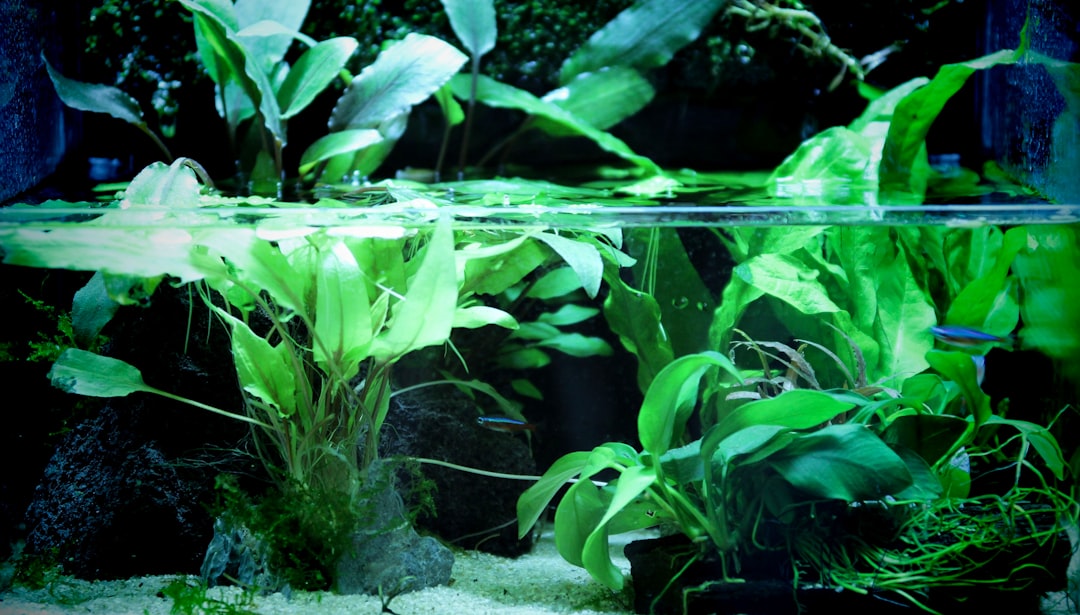
High-tech planted tanks with pressurised CO2 and metal halide lights grab attention online, but they also demand daily monitoring, frequent trimming, and a significant budget. An aquascape low light no CO2 guide offers a calmer path — lush, natural-looking layouts that thrive on minimal equipment. At Gensou Aquascaping Singapore, many of our client installations at homes and offices across the island follow exactly this philosophy, refined over 20 years at 5 Everton Park.
What Low-Light No-CO2 Actually Means
Low light typically refers to 15–30 lumens per litre, achievable with a basic LED strip or clip-on fixture. No CO2 means you skip pressurised gas injection entirely, relying on the carbon naturally dissolved from fish respiration and atmospheric exchange. Growth will be slower — and that is the whole point. Slower growth means less pruning, less algae pressure, and a more stable tank overall.
Plant Species That Thrive Without CO2
Success hinges on choosing species adapted to low-carbon, low-light environments. These are the proven performers:
- Anubias species: Nearly indestructible. Attach to hardscape and leave them alone.
- Java fern (Microsorum pteropus): Multiple varieties — standard, Windelov, Trident — all do well.
- Cryptocoryne wendtii: Available in green, brown, and red forms. Excellent midground filler once established.
- Java moss (Taxiphyllum barbieri): Grows on anything. Perfect for covering wood and mesh.
- Vallisneria nana: Grassy background plant that spreads via runners without demanding high light.
- Bucephalandra species: Slow-growing, beautifully textured rhizome plants that look stunning on stone.
Avoid demanding carpet plants like Hemianthus callitrichoides or Glossostigma — they melt without strong light and CO2.
Substrate Choices
Nutrient-rich aquasoils (ADA Amazonia, Tropica Soil, or budget alternatives from Gex) give rooted plants like Cryptocoryne and Vallisneria a head start. In a no-CO2 setup, the ammonia spike during soil cycling is less intense than in high-tech tanks, but a proper fishless cycle is still essential.
Inert substrates — sand or fine gravel — work too if you supplement with root tabs every two to three months. This option is cheaper and avoids the pH-lowering effect of active soils, useful if you keep fish that prefer neutral to slightly alkaline water.
Hardscape-Forward Design
When plants grow slowly, hardscape carries the visual weight for months. Invest time selecting and positioning wood and stone before planting a single thing. A striking piece of spider wood or a carefully arranged ohko stone formation makes a low-tech tank look mature from day one.
Leave open areas of bare substrate. Negative space prevents the layout from feeling cluttered and gives your eye a place to rest — something particularly important in smaller tanks.
Lighting Setup
A 6,500 K LED running six to seven hours daily is the sweet spot. Longer photoperiods invite algae without proportionally boosting plant growth, because carbon — not light — is the limiting factor in a no-CO2 system. A simple plug-in timer eliminates the temptation to leave lights on all evening.
Dimmer-capable lights let you start at lower intensity and increase gradually if plants show signs of etiolation (stretching toward the light). In Singapore’s naturally bright rooms, ambient daylight near a window can supplement your fixture during the day — just avoid direct sun, which fuels algae explosions.
Fertilisation Without CO2
Liquid fertilisers remain important even in low-tech tanks. Dose a comprehensive all-in-one fertiliser (Tropica Premium, APT Complete, or Seachem Flourish Comprehensive) once or twice weekly at half the bottle’s recommended rate. Overdosing feeds algae, not plants, when growth is carbon-limited.
Root tabs benefit heavy root feeders like Cryptocoryne and Vallisneria. Push one tab 2–3 cm into the substrate near the plant’s root zone every eight to twelve weeks.
Algae Management
Some algae is normal and expected. A small cleanup crew — Neocaridina shrimp, Otocinclus, or nerite snails — handles most surface algae passively. For stubborn green spot algae on Anubias leaves, a targeted application of dilute hydrogen peroxide with a syringe works without harming the plant.
Consistent water changes (20–25 % weekly) and restrained feeding are the most effective long-term algae prevention strategies. Most algae outbreaks trace back to excess nutrients and too much light — both easily controlled.
Who Should Try This Approach?
Beginners unsure about CO2 equipment. Hobbyists who want a planted tank in a bedroom without the noise of a CO2 solenoid clicking on and off. Anyone maintaining tanks in an office or commercial space where simplicity and reliability matter more than competition-level growth. A low-light no-CO2 aquascape rewards patience and proves that restraint is its own form of mastery. Gensou Aquascaping builds these systems for clients who value long-term beauty over short-term spectacle.
Related Reading



