
Fish Tank Temperature Guide: Tropical, Coldwater and Room Temp
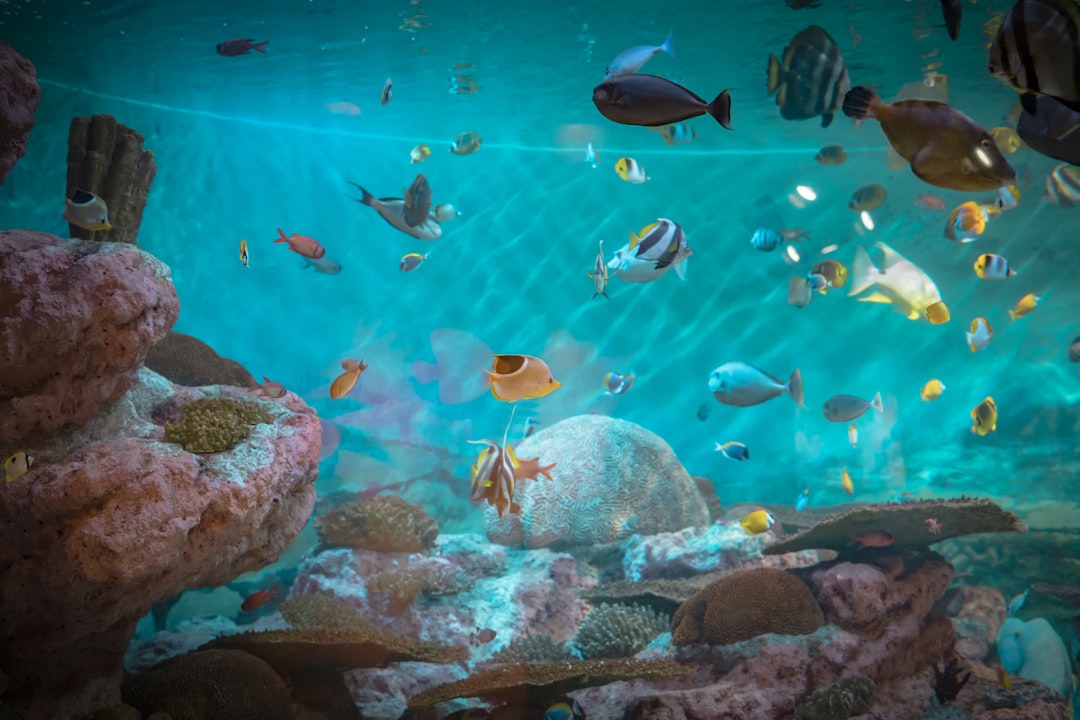
Temperature is the invisible parameter that governs metabolism, immunity, breeding, and lifespan in every aquarium fish. This fish tank temperature guide for tropical, coldwater and room-temperature species gives you the ranges, equipment, and Singapore-specific considerations you need to keep your fish comfortable year-round. Gensou Aquascaping Singapore, with over 20 years of hands-on experience at 5 Everton Park, shares what works in our unique climate.
Why Temperature Precision Matters
Fish are ectotherms — their body temperature matches the surrounding water. A 2 °C swing that feels trivial to us triggers measurable stress responses in fish: suppressed appetite, reduced immune function, and disrupted breeding cycles. Sustained temperatures outside a species’ range shorten lifespan and increase disease vulnerability. Getting temperature right is not optional; it is foundational.
Stability matters as much as the number itself. A tank that holds 26 °C consistently is healthier than one that swings between 24 °C and 28 °C across a 24-hour cycle — a common problem in air-conditioned Singapore homes where temperatures drop sharply at night.
Tropical Fish: 24-28 °C
Most popular freshwater species fall into this band — bettas, tetras, rasboras, corydoras, angelfish, dwarf cichlids, and the vast majority of livebearers. In Singapore, ambient room temperature of 28–30 °C sits at or slightly above the upper range, which means heaters are rarely needed. Many local hobbyists run tropical tanks successfully without any heating equipment at all.
The exception is air-conditioned rooms, where overnight temperatures can dip to 22–24 °C. A thermostatically controlled 50-watt heater set to 26 °C provides insurance against these dips. Quality adjustable heaters from brands like Eheim or Aquael cost $20–$40 and last years — a worthwhile investment for temperature-sensitive species like discus or Sulawesi shrimp.
Coldwater Species: 15-22 °C
Goldfish, white cloud mountain minnows, dojo loaches, and certain hillstream loaches prefer cooler conditions. In Singapore’s tropical climate, maintaining these temperatures requires active cooling — an aquarium chiller or, for budget setups, a clip-on fan that accelerates evaporative cooling by 2–4 °C below ambient.
Chillers are the most reliable solution but come at a cost: $150–$400 for units suitable for 60–200 litre tanks, plus ongoing electricity. Fans cost under $30 but only achieve modest cooling and cannot hit targets below 25 °C on the hottest days. Keeping coldwater fish in Singapore is entirely doable but demands a realistic budget for equipment and running costs.
Room Temperature Fish: 22-26 °C
Some species thrive in the overlap between tropical and coldwater — danios, paradise fish, variatus platies, and many shrimp species including Neocaridina and Caridina cantonensis. In an air-conditioned Singapore room that sits around 23–25 °C, these species flourish without any heating or cooling equipment.
This “room temp” niche is particularly practical for desktop and bedroom aquariums in local HDB flats and condos. No heater means less equipment, lower electricity costs, and one fewer point of failure. Pair these species with low-tech plants for a genuinely low-maintenance setup.
Measuring and Monitoring Temperature
A basic glass thermometer ($2–$3) works, but digital thermometers with external probes ($8–$15 on Shopee or Lazada) offer faster, more accurate readings and can be placed where you can see them without opening the tank lid. Some models include high/low alarms — useful for detecting overnight temperature drops in air-conditioned rooms.
Place the thermometer away from heater output and direct light to avoid skewed readings. Check temperature at the same time daily; morning readings after overnight cooling reveal the true low point your fish experience.
Heaters and Chillers: Choosing the Right Size
For heaters, the general rule is 1 watt per litre of tank volume. A 60-litre tank needs a 50–75 watt heater. Oversizing slightly provides faster recovery after water changes. Always use a heater guard to prevent fish from burning against the element — bettas and plecos are notorious for resting on warm surfaces.
For chillers, match the unit’s rated capacity to your tank volume and target temperature drop. A chiller rated for 100 litres with a 5 °C drop handles a 75-litre goldfish tank aiming for 22 °C in a room at 27 °C. Undersized chillers run continuously, driving electricity costs up and wearing out compressors prematurely.
Singapore-Specific Considerations
Our year-round warmth eliminates the seasonal temperature swings that temperate-climate hobbyists contend with — a genuine advantage for tropical fishkeeping. The main local challenge is the contrast between air-conditioned and non-air-conditioned spaces. Moving a tank between rooms, or changing your air-conditioning schedule, can impose temperature swings that stress fish more than a stable slightly-off-target reading.
This fish tank temperature guide for tropical and coldwater species should help you match equipment to environment and species requirements. In Singapore, working with the natural warmth — choosing tropical species that thrive at 28 °C without a heater — is the simplest, most cost-effective approach for the majority of hobbyists.
Related Reading



