How to Choose Fish for a Community Tank: Compatibility Rules
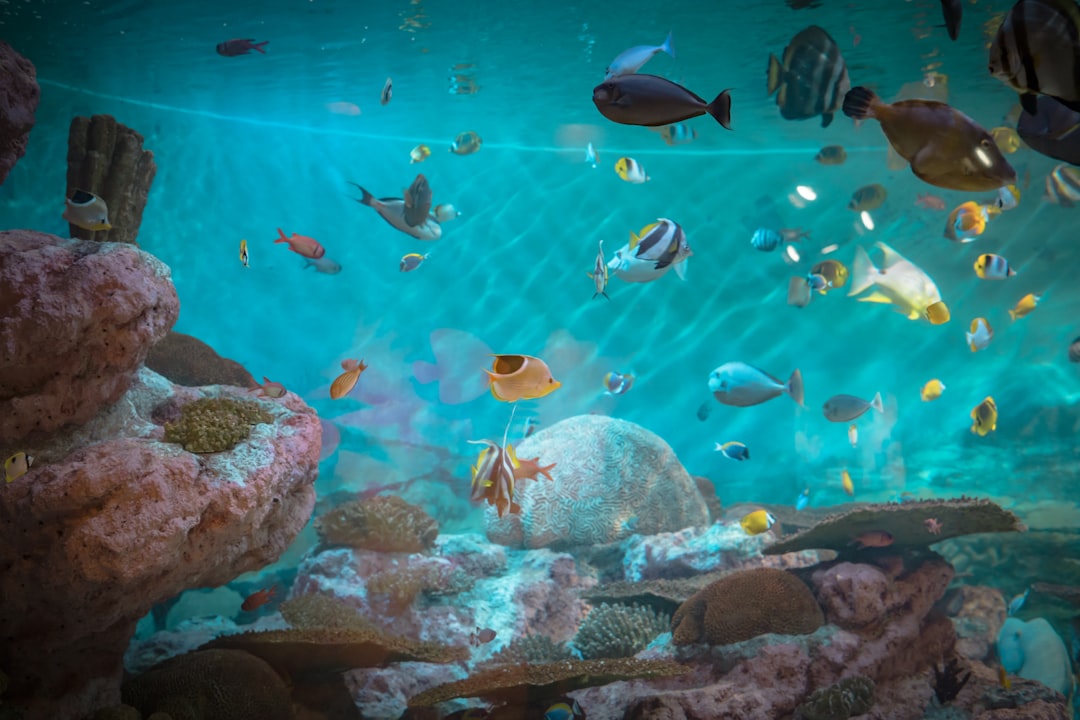
A harmonious community tank does not happen by accident. Mixing the wrong species leads to stress, aggression, disease and losses that could have been avoided with a little research. This choose fish community tank guide from Gensou Aquascaping Singapore — built on over 20 years of hands-on experience at 5 Everton Park — lays out the compatibility rules that separate a peaceful aquarium from a chaotic one.
Match Water Parameters First
Before considering colour or personality, confirm that every species on your shortlist thrives in the same temperature, pH and hardness range. Singapore’s dechloraminated PUB tap water sits around 26–28 °C, pH 6.5–7.0 and GH 2–4 dGH — ideal for most Southeast Asian and South American tropicals. Mixing a fish that needs pH 8.0 with one that prefers 6.0 forces at least one species into chronic stress.
Common mismatch example: neon tetras (soft, acidic) with African cichlids (hard, alkaline). Both are popular, both are colourful, and both will suffer in the other’s ideal conditions.
Consider Adult Size
Juvenile fish in a shop look deceptively small. A 3 cm common pleco will grow past 30 cm, a cute baby angelfish reaches 15 cm tall, and that tiny silver-tipped shark is heading for 25 cm. Always research the full adult size and stock based on that, not the size at purchase. A general guideline is 1 cm of slim adult fish per 2 litres of net water volume — adjust down for stocky or high-waste species.
Temperament and Territory
Group fish broadly into peaceful, semi-aggressive and aggressive categories. Peaceful community species — tetras, rasboras, corydoras, small gouramis — coexist well. Semi-aggressive species like tiger barbs or certain dwarf cichlids can work in a community but need careful pairing and enough space to establish boundaries.
Fin-nippers and long-finned fish are a bad combination. Tiger barbs with bettas or guppies is a recipe for shredded fins and constant stress. Similarly, two territorial species that occupy the same zone of the tank — say a pair of ram cichlids and a pair of Apistogramma — will clash over bottom space.
Occupy Different Tank Levels
A well-stocked community fills top, middle and bottom zones. Surface dwellers like hatchetfish rarely compete with bottom-hugging corydoras. Midwater schoolers like rummy-nose tetras stay in the centre column. Thinking in layers reduces aggression and makes the tank look alive at every depth.
School Size Matters
Shoaling species kept in groups too small become stressed and either hide or turn nippy. The minimum for most tetras, rasboras and barbs is six — but eight to twelve produces noticeably calmer, more natural behaviour. A single neon tetra in a tank of larger fish is not a community member; it is a nervous, faded shadow of what the species should look like.
A Proven Beginner Community
For a 60-litre tank using Singapore tap water, this combination is reliable and visually balanced:
- 8–10 ember tetras (midwater schooler)
- 6 Corydoras pygmaeus (bottom dweller)
- 1 pair of honey gouramis (centrepiece, upper-mid)
- 6–8 amano shrimp (cleanup crew)
All species share a temperature sweet spot of 24–28 °C and a pH preference of 6.0–7.5. None grow large enough to eat the others. Aggression is virtually zero.
Species to Avoid in a Peaceful Community
Some fish are sold as “community” species but regularly cause problems. Chinese algae eaters become aggressive as adults. Common plecos outgrow all but the largest tanks. Male bettas are unpredictable with any tank mate — some tolerate company, many do not. Red-tail black sharks are territorial loners that harass bottom dwellers relentlessly. Research before you buy, not after.
Introduce Fish Gradually
Add one species group at a time, waiting at least a week between additions. This lets your biological filter adapt to the increasing bioload and gives you time to observe behaviour before the next group arrives. Rushing stocking is the most common cause of ammonia spikes and aggression in newly set-up community tanks.
Related Reading
- What Fish Can Live With Betta? Complete Compatible Species List
- Freshwater Aquarium Setup for Beginners: Step-by-Step First Tank
- Best 20-Gallon Fish Tank Setup Guide: Community Tank Blueprint
- Betta Tank Mates for a 10-Gallon Tank: Best Community Options
- Aquascaping for Beginners: How to Design Your First Scape