Best Inline Heaters for Aquariums: Hidden and Efficient
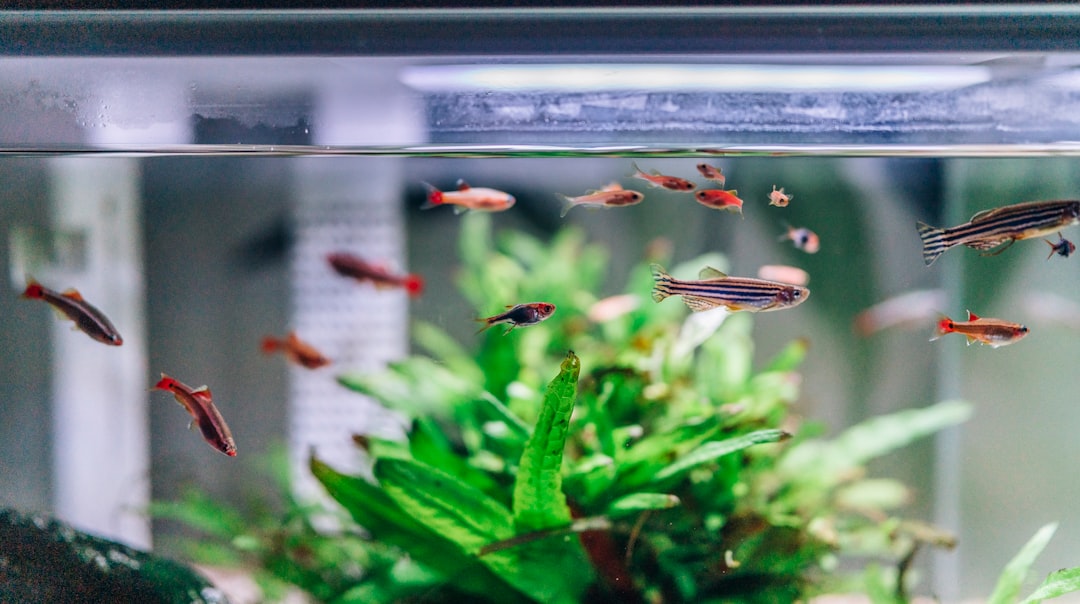
Traditional submersible heaters work, but they clutter the tank and disrupt clean aquascaping lines. Inline heaters solve that problem by sitting outside the aquarium on the canister filter’s return hose — completely hidden from view. This best inline heater aquarium guide from Gensou Aquascaping at 5 Everton Park, Singapore, with over 20 years of hands-on experience, covers how they work, who needs one, and what to look for when choosing.
How Inline Heaters Work
An inline heater is a sealed heating element housed in a tube that connects between your canister filter’s outlet hose and the tank return. Water passes through the tube, picks up heat, and enters the aquarium already at the target temperature. The unit sits inside your cabinet, out of sight and out of the way.
Most models use a built-in thermostat with a dial or digital controller. Premium units feature an external temperature probe that sits in the tank for more accurate readings, compensating for any heat loss between the heater and the aquarium.
Do You Need a Heater in Singapore?
Most tropical fish thrive at Singapore’s ambient room temperature of 28–31 °C without any supplemental heating. However, a heater becomes relevant in airconditioned rooms where temperatures drop to 22–24 °C overnight — common in bedrooms and offices. Species like discus, German blue rams, and certain Apistogramma prefer stable temperatures above 27 °C, and even a brief nightly dip can stress them.
An inline heater is also valuable as a thermostat-controlled stabiliser. Even if heating is rarely active, it prevents sudden drops during cold snaps or when your aircon runs unusually long.
Sizing: Wattage Per Litre
The general rule is 1–1.5 watts per litre for rooms with moderate temperature swings. A 200-litre tank in an airconditioned room needs a 200–300 W inline heater. Oversizing slightly is safer than undersizing — a 300 W heater in a 200-litre tank cycles on and off less frequently, reducing wear on the element and maintaining more stable temperatures.
For tanks in non-airconditioned rooms that only need occasional warming (rare cool nights during the Northeast Monsoon), 0.5–1 W per litre suffices.
Installation Tips
Install the inline heater on the return (outlet) hose of your canister filter, not the intake. Heated water should flow toward the tank, not back through the canister where it could stress the impeller’s seals over time. Mount the heater vertically or at a slight angle as specified by the manufacturer — horizontal mounting can cause air pockets around the element, leading to uneven heating or overheating.
Ensure hose diameters match. Most inline heaters come with 12/16 mm or 16/22 mm fittings, corresponding to common canister hose sizes. Adapters are available but introduce potential leak points — matching natively is always better.
Safety Features to Look For
A dry-run shut-off is essential. If the canister filter stops (power outage, blockage, maintenance), water stops flowing through the inline heater. Without automatic shut-off, the element overheats rapidly and can melt the housing or crack from thermal stress. Quality models from brands like Hydor, Ista, and inline-specific units from the OASE/JBL ecosystem include this protection as standard.
An external temperature controller (sold separately, around $25–$50 on Shopee) adds a redundant safety layer. It reads actual tank temperature and cuts power to the heater independently of the heater’s built-in thermostat — peace of mind for expensive livestock.
Inline Heaters vs Submersible Heaters
Inline heaters cost more upfront — typically $40–$100 versus $15–$35 for a comparable submersible unit. But the aesthetic benefit in an aquascape is significant: no heater visible behind plants, no suction cups yellowing on the glass, and no risk of fish burning themselves against an exposed element. For aquascapers running canister filters, the inline upgrade is one of the most satisfying equipment investments.
Submersible heaters remain the practical choice for tanks without canister filters — sponge-filtered nano setups, hang-on-back systems, and quarantine tanks where aesthetics are secondary.
Maintenance and Longevity
Inline heaters require minimal maintenance. Inspect hose connections for leaks monthly during your regular filter service. Descale the internal element annually if your water is hard — Singapore’s PUB water is soft (GH 2–4), so scaling is rarely an issue here. Replace the unit if the thermostat becomes inaccurate (verify with a separate thermometer) or if the housing shows cracks or discolouration.
The best inline heater for your aquarium is one that matches your tank volume, fits your canister hose, and includes reliable safety features. At Gensou Aquascaping, we install inline heaters on every canister-filtered build where temperature control matters — because the best equipment is the kind you never see.
Related Reading
- Best Glass Lily Pipes for Aquariums: Inflow and Outflow Compared
- Best Internal Filters for Nano Aquariums: Compact and Quiet
- Best Aquarium Filter Media and Stacking Order: Mechanical to Biological
- Aquarium Maintenance Cost in Singapore: Monthly Breakdown
- Fish Tank Design Ideas for Modern Homes: Built-In, Wall and Freestanding

emilynakatani
Still Have Questions About Your Tank?
Drop by Gensou Aquascaping — most walk-in questions get answered in under 10 minutes by someone who has set up hundreds of tanks.
5 Everton Park #01-34B, Singapore 080005 · Open daily 11am – 8pm