
How to Set Up a Quarantine Tank Properly: Equipment and Protocol
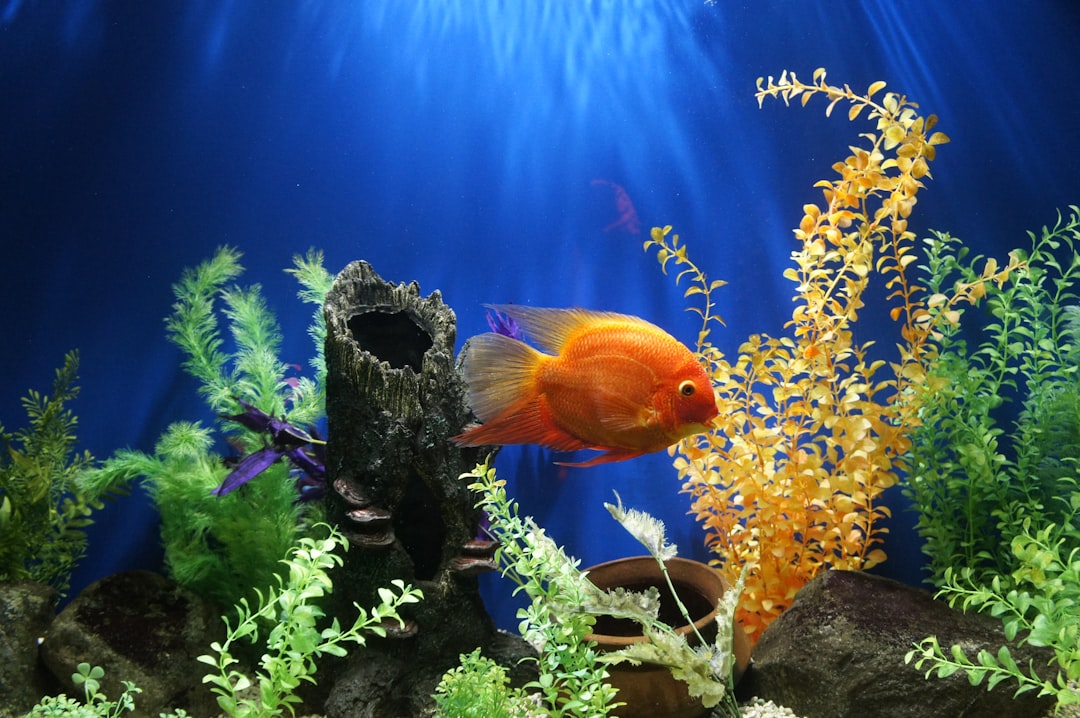
Every experienced fishkeeper has a quarantine tank — and every beginner who skips one eventually learns why they should not have. This guide on how to set up a quarantine tank properly comes from Gensou Aquascaping Singapore, with over 20 years of hands-on experience at 5 Everton Park. A quarantine setup costs a fraction of your main display yet prevents disease introductions that could wipe out an entire collection overnight.
Why Quarantine Matters
New fish carry parasites, bacteria, and viruses that may not show symptoms for days or even weeks. Ich, velvet, columnaris, and internal parasites are all common hitchhikers on imports. Introducing a single infected fish directly into your main tank exposes every inhabitant. In Singapore’s warm water, pathogen life cycles accelerate — ich can go from invisible to a full-blown outbreak in 48 hours at 28 °C.
A two-week quarantine period lets you observe new arrivals, treat any emerging issues in isolation, and add healthy, acclimated fish to your display with confidence.
Choosing the Right Tank
A 20–40-litre tank is sufficient for quarantining most freshwater fish. Avoid anything smaller — cramped conditions add stress that undermines the quarantine’s purpose. A basic glass or acrylic tank without fancy decorations works perfectly. Keep it simple: the goal is observation and treatment, not aesthetics.
Place the quarantine tank in a quiet area away from direct sunlight and heavy foot traffic. In Singapore’s HDB and condo settings, a utility room, study, or bathroom countertop works well. The tank does not need to run permanently — set it up when needed and break it down after use, keeping the sponge filter in your main tank between quarantine cycles to maintain its bacterial colony.
Essential Equipment
A sponge filter powered by a small air pump provides gentle biological and mechanical filtration without creating strong current that stresses sick or recovering fish. Seed the sponge in your main tank’s filter for at least two weeks before quarantine use — this ensures instant biological filtration. A basic heater is unnecessary in most Singapore homes where ambient temperature stays above 26 °C, but keep one on standby for species that need precise temperature control.
Add a small terracotta pot or PVC pipe as a hiding spot — stressed fish need cover. Avoid substrate (bare-bottom tanks are easier to clean and medicate). A tight-fitting lid prevents jumpers, and a basic LED light on a timer helps you observe the fish during the quarantine period.
The Quarantine Protocol
Acclimate new fish to the quarantine tank by floating the bag for 15 minutes, then gradually adding tank water over another 20 minutes. Once released, observe daily for signs of disease: white spots (ich), gold dust (velvet), rapid breathing, clamped fins, flashing against surfaces, or loss of appetite. Feed lightly with high-quality food — stressed fish should eat, but not be overwhelmed.
If the fish appears healthy after 14 days, perform a final visual check and transfer it to the main display using the same acclimation process. If symptoms appear, begin treatment immediately — the fish is already isolated, so you can medicate without affecting your main tank.
Prophylactic Treatment
Some hobbyists prophylactically treat all new arrivals with a mild anti-parasitic like praziquantel (for internal worms) and aquarium salt at 1 g per litre (general tonic) during the quarantine period. This approach catches subclinical infections that visual observation might miss. Follow medication instructions carefully and maintain daily 20 % water changes with conditioned tap water throughout the treatment.
Using Quarantine for Sick Fish
The quarantine tank doubles as a hospital tank for fish from your main display that develop illness. Isolating a sick fish accomplishes three things: it prevents disease spread, it lets you medicate without nuking the main tank’s biological filter, and it allows rest in a low-stress environment. Medications containing copper, antibiotics, or malachite green devastate beneficial bacteria and invertebrates in a community tank — keep them out of your display.
After treating a sick fish, sterilise the quarantine tank with a dilute bleach solution (1 part bleach to 19 parts water), rinse thoroughly, and dechlorinate before reuse. Replace all disposable media and rinse the sponge filter in old tank water.
Cost of a Basic Quarantine Setup
In Singapore, a functional quarantine setup costs roughly $30–$60: a 20-litre tank ($15–$25), sponge filter and air pump ($10–$15), hiding spot ($3–$5), and a bottle of water conditioner ($8–$12). Compare that to the cost of losing a tank full of prized fish to an imported disease. On Shopee and Lazada, complete nano tank kits occasionally go on sale for under $30 — ideal for quarantine duty.
At Gensou Aquascaping, we consider a quarantine tank non-negotiable for any serious fishkeeper. The effort to set up a quarantine tank properly is minimal; the protection it provides is immense.
Related Reading
- How to Treat Fin Rot in Aquarium Fish: Mild to Severe Cases
- How to Lower Ammonia in a Fish Tank Fast: Emergency Steps
- How to Remove Chloramine From Tap Water for Aquariums
- How to Clean a Fish Tank Step by Step: Glass, Gravel and Filter
- How to Start the Aquarium Hobby in Singapore: A Beginner Roadmap



