
Best Aquarium Substrate for Shrimp: Active Soil vs Inert Sand
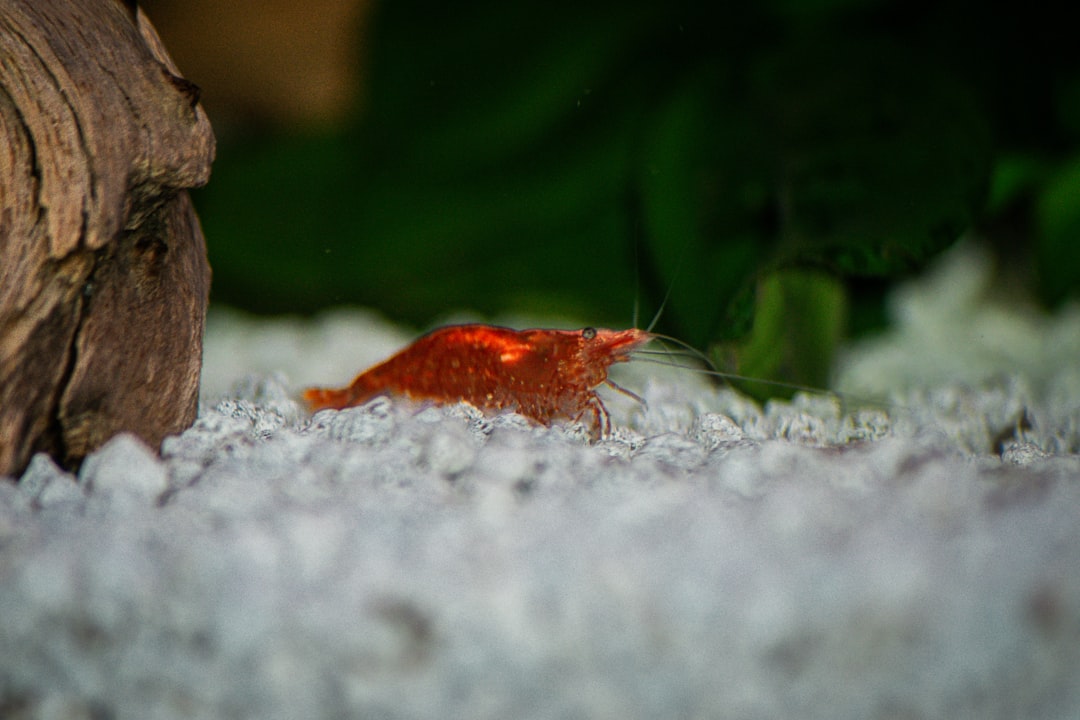
Substrate choice can make or break a shrimp tank. Active soils buffer pH and supply minerals, while inert sands stay neutral and last indefinitely. Picking the best aquarium substrate shrimp keepers rely on depends entirely on which species you plan to keep and how much control you want over water chemistry. This comparison from Gensou Aquascaping at 5 Everton Park, Singapore reflects over 20 years of setting up shrimp-focused aquariums across the island.
Active Soil: How It Works
Active substrates like ADA Amazonia, SL-Aqua Nature Soil, and Tropica Aquarium Soil are fired clay granules that actively lower pH and soften water through cation exchange. They pull calcium and magnesium from the water column, replacing them with hydrogen ions. The result: acidic, mineral-poor conditions ideal for Caridina species such as crystal red, crystal black, and Taiwan bee shrimp.
Fresh active soil leaches ammonia for the first two to four weeks — a critical period where no livestock should be present. Cycle the tank fully, confirm zero ammonia and nitrite with a liquid test kit, then introduce shrimp gradually.
Top Active Soils for Shrimp
ADA Amazonia Version 2 remains the benchmark. It buffers pH to approximately 6.0–6.5, supports lush plant growth, and lasts 18–24 months before buffering exhaustion. A 9-litre bag costs around $38–$48 at local shops and online on Shopee. The initial ammonia spike is milder than the original version, though patience during cycling is still essential.
SL-Aqua Nature Soil is popular among Singaporean shrimp breeders for its consistent granule size and reliable pH buffering to around 5.8–6.2. Priced similarly to ADA, it edges ahead for pure shrimp setups where plant growth is secondary. GlasGarten Environment Soil offers comparable performance at a slightly higher price point but with minimal ammonia leaching — a good choice if you want to stock sooner.
Inert Sand and Gravel: The Neutral Approach
Inert substrates — pool filter sand, fine quartz gravel, or cosmetic sand — do not alter water chemistry at all. They suit Neocaridina davidi (cherry shrimp and colour variants) perfectly because neocaridina tolerate a wide pH range of 6.5–8.0 and GH of 6–12 dGH. Singapore’s PUB tap water can be used almost directly after dechloramination, making inert substrates the low-maintenance option.
Pool filter sand from hardware stores costs about $5–$8 for a 25 kg bag — enough for several tanks. Rinse thoroughly before use to remove dust, and choose a grain size of 1–2 mm so shrimplets can forage without getting trapped.
Mixing Substrates: Pros and Pitfalls
Some hobbyists layer active soil beneath a sand cap to get buffering benefits with a cleaner aesthetic. While this works initially, disturbances during replanting or shrimp burrowing mix the layers over time. A dedicated soil tank or a dedicated sand tank is simpler to manage long-term.
Powdered active soil (like ADA Amazonia Powder Type) layered on top of normal-grain soil creates a finer surface that tiny shrimplets navigate more easily. This combination is standard practice among competitive shrimp breeders in Singapore.
How Long Does Active Soil Last?
Buffering capacity depletes gradually. Most active soils maintain target pH for 12–24 months depending on water hardness and change frequency. Once pH begins rising above your target range and water changes no longer bring it back down, the soil is exhausted. At that point, a full rescape with fresh soil is needed — plan for this from the start.
Monitoring with a reliable TDS and pH meter helps you track buffering decline before it affects your colony.
Our Recommendation
Caridina shrimp keepers should invest in quality active soil — ADA Amazonia V2 or SL-Aqua Nature Soil top our list. Neocaridina keepers can save money and hassle with inert sand, focusing their budget on quality livestock and supplemental minerals like SaltyShrimp GH+ instead. Whichever path you choose, a stable substrate foundation is the single most important factor in long-term shrimp health and breeding success.
Related Reading



