
Best Algae Eating Fish and Shrimp Ranked: Who Cleans Best?
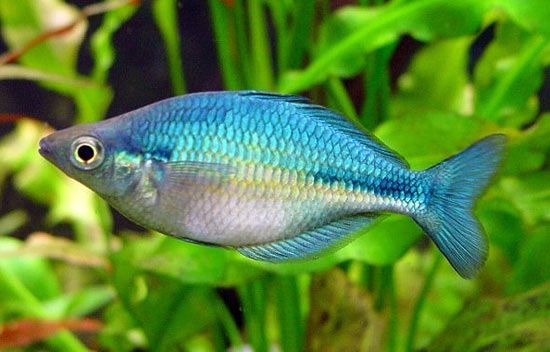
Algae is inevitable in any aquarium — the question is not whether it appears, but how you manage it. Biological control through algae-eating species is one of the most effective and natural strategies available. This best algae eating fish shrimp ranked guide from Gensou Aquascaping Singapore, drawing on over 20 years of hands-on experience at 5 Everton Park, rates the most common cleanup crew members by the types of algae they actually consume and how well they perform in real-world setups.
Amano Shrimp: The All-Rounder
Caridina multidentata sits at the top of nearly every aquascaper’s algae control list — and rightly so. These 4–5 cm shrimp devour hair algae, brush algae, and general biofilm with relentless efficiency. A group of 10 in a 60-litre planted tank visibly reduces algae within days. They leave plants untouched and work around the clock.
Amano shrimp are widely available in Singapore at $1.50–$3 each. They thrive in our soft tap water and tolerate temperatures of 22–28 °C. The only downside: they cannot breed in freshwater, so the population does not self-sustain.
Otocinclus Catfish: The Glass Polisher
Otos (Otocinclus vittatus and related species) are gentle, tiny catfish that specialise in soft green algae and diatoms — the brown film that coats glass and leaves in maturing tanks. At just 3–4 cm, they work in groups of five or more without adding much bioload. Keep them in planted tanks with stable water; otos are sensitive to ammonia spikes and often arrive from shops in poor condition.
Feed supplementary blanched zucchini or algae wafers once the tank’s natural algae is depleted. Starvation is the leading cause of otocinclus deaths in captivity. Price in Singapore ranges from $2 to $4 per fish.
Nerite Snails: Tough on Green Spot Algae
Where most fish and shrimp fail, nerite snails excel — green spot algae on glass and hardscape is their speciality. A single nerite in a 40-litre tank keeps hard surfaces noticeably cleaner. They do not reproduce in freshwater (eggs require brackish water to hatch), so population control is built in.
Zebra nerites and horned nerites are the most commonly sold varieties, priced at $2–$5 each. They do, however, lay small white sesame-seed-like eggs on hard surfaces, which some keepers find unsightly. These eggs are harmless but stubborn to remove.
Siamese Algae Eater: The Brush Algae Specialist
The true Siamese algae eater (Crossocheilus oblongus) is one of the few species that eats black beard algae (BBA), the bane of planted tank enthusiasts. Juveniles are enthusiastic grazers, working through BBA, hair algae, and general film. Adults, however, grow to 12–15 cm and become lazier feeders — they also develop a taste for flake and pellet food, reducing their algae consumption significantly.
Beware of impostors: the flying fox (Epalzeorhynchos kalopterum) and the false Siamese algae eater look similar but eat far less algae and can be territorial. Verify the species before purchasing.
Cherry Shrimp: Budget Cleanup Crew
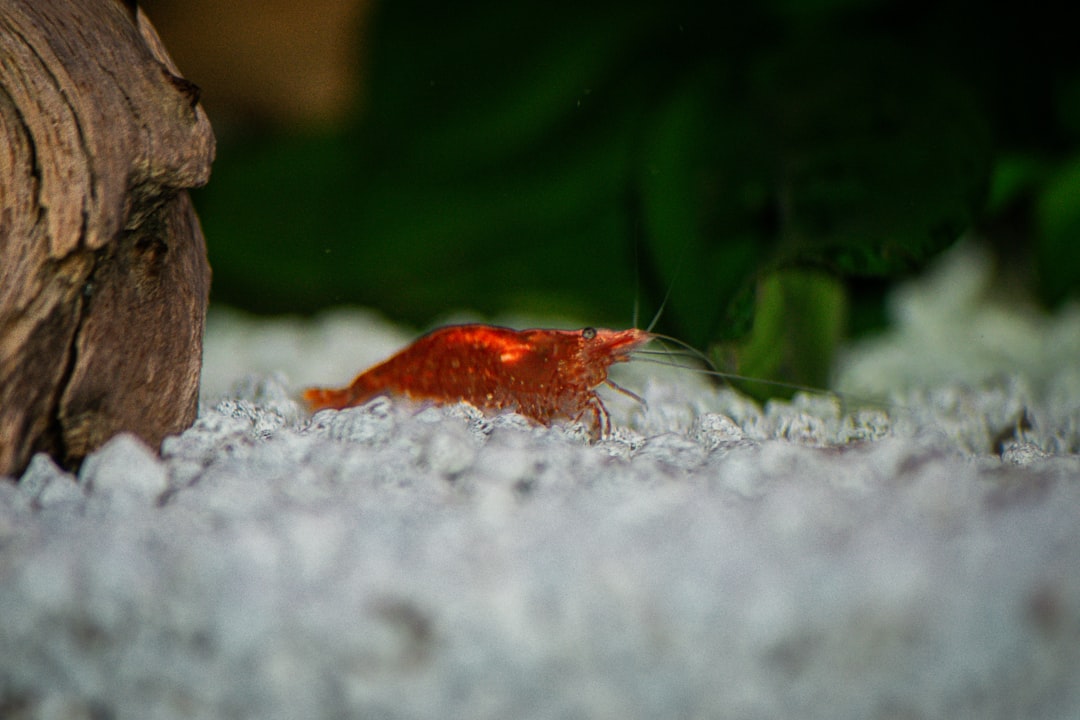
Neocaridina davidi are smaller and less effective per individual than Amano shrimp, but their ability to breed in freshwater means a self-sustaining colony builds over time. A thriving colony of 30–50 cherry shrimp grazes continuously on biofilm, soft green algae, and decomposing plant matter.
Cherry shrimp come in a rainbow of colour morphs — red, orange, yellow, blue, and black — all with identical algae-eating habits. Prices in Singapore start at $1 per shrimp for common reds, with rarer colours fetching $3–$8. They prefer planted tanks with stable parameters: pH 6.5–7.5, GH 6–10, and temperatures of 22–28 °C.
Bristlenose Pleco: The Workhorse
Ancistrus species are the most popular pleco for algae duty, and for good reason. They stay relatively small at 12–15 cm, eat green algae and diatoms voraciously, and are hardy enough for beginners. Unlike common plecos — which grow to 40 cm and outstrip most home tanks — bristlenoses remain manageable.
Provide driftwood in the tank; bristlenose plecos rasp on wood as a dietary supplement and a source of fibre essential for digestion. Supplement with algae wafers and blanched vegetables. Available at most local shops for $5–$15 depending on variety (standard brown, albino, or long-fin).
Matching Algae Type to Cleaner
No single species handles every algae type. Green dust algae on glass responds to nerites and otos. Hair algae yields to Amano shrimp. BBA requires Siamese algae eaters or manual removal combined with CO2 optimisation. Cyanobacteria (blue-green algae) is not true algae at all — no fish or shrimp eats it, and treatment requires blackout or antibiotics.
At Gensou Aquascaping, we typically recommend a mixed crew: Amano shrimp for general duty, one or two nerites for hard surfaces, and otos for diatom control in planted setups. This combination covers the most common algae encountered in Singapore’s tropical aquariums.
Related Reading



