
Aquascape for Wine Cellars in Singapore: Temperature and Mood
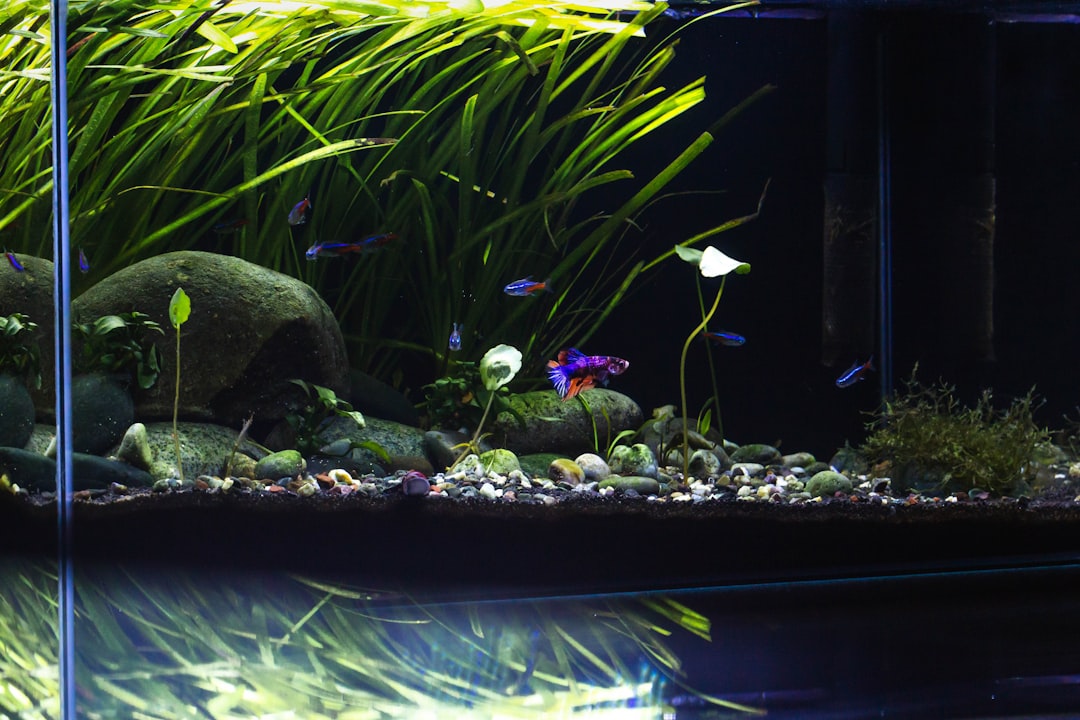
Wine cellars in Singapore already exist as curated sensory spaces — controlled temperature, dim lighting, rich materials. Adding a carefully designed aquarium elevates that atmosphere from impressive to extraordinary. This aquascape for a wine cellar in Singapore guide from Gensou Aquascaping at 5 Everton Park explores how to integrate living aquatic art into a space built for quiet indulgence, drawing on our team’s 20 years of commercial installation experience.
Why an Aquarium Works in a Wine Cellar
Wine cellars already run climate control — typically 12–16 °C with humidity around 60–70 %. That cool, stable environment is a rare luxury in Singapore and opens the door to cold-water species and aquascaping styles impossible in the rest of a tropical home. The ambient dimness suits both wine storage and subdued aquarium lighting, creating a cohesive mood without competing visual elements.
Psychologically, the gentle movement of fish and the soft shimmer of water encourage the slow, contemplative pace that a wine-tasting experience demands. Guests linger longer, conversations deepen, and the cellar transforms from a storage room into an experiential lounge.
Temperature Synergy
At 14–16 °C, a wine cellar naturally supports temperate species that would need expensive chilling anywhere else in Singapore. White cloud mountain minnows, paradise fish (Macropodus opercularis), and rosy barbs all thrive at cellar temperatures without additional cooling. Even subtropical plants like Vallisneria and java moss perform well at these levels.
The aquarium’s heater and lighting do add a small heat load to the cellar. Position the tank away from the main wine racks and consult your cellar climate specialist to ensure the HVAC system compensates. In well-designed cellars with dedicated cooling units, the additional load from a 100–200 litre tank is negligible.
Design Aesthetic: Matching the Space
Wine cellars lean toward dark timber, stone, and warm metallics. Match the aquarium stand and canopy materials to the cellar’s existing palette — walnut, dark oak, or matte black steel integrate seamlessly. A rimless glass tank with minimal visible equipment maintains the clean, luxury aesthetic. Hide canister filters, heaters, and tubing inside the stand cabinetry.
For the aquascape itself, dark stone — black lava rock or dark Seiryu — on a fine sand base creates a moody, sophisticated composition. Avoid garish coloured gravel or novelty decorations that clash with the cellar’s refined character.
Lighting for Ambience
Bright overhead aquarium lights disrupt the cellar’s subdued mood. Low-intensity warm-white LEDs (3,000–4,000 K) emulate candlelight tones and highlight the aquascape without washing out the room. A gentle sunrise-sunset dimming cycle adds subtle dynamism throughout the evening. Place the light on a timer so the tank illuminates automatically during typical visiting hours and dims overnight.
Backlit frosted panels behind the tank create a soft luminous glow that draws the eye without producing harsh glare on wine bottles. This technique works especially well for wall-recessed installations where the aquarium becomes a living artwork framed within the cellar wall.
Tank Placement and Structural Concerns
Wine cellars in Singapore condos and landed homes often sit at basement or ground-floor level, with concrete flooring that easily supports heavy tanks. A 150-litre tank with stand, rock, and water weighs approximately 200 kg — well within concrete slab capacity. Timber-floored mezzanine cellars require a structural assessment before installation.
Consider vibration. Cellars housing compressor-based cooling units may transmit low-frequency vibration through the floor. Rubber isolation pads beneath the tank stand dampen this, protecting both the tank joints and the fish from chronic stress.
Maintenance in a Low-Traffic Space
Wine cellars are not visited daily, so the tank must be low-maintenance by design. An automatic top-off system compensates for evaporation between visits. A timer-controlled light and a reliable canister filter running quietly in the background keep the system stable. Choose slow-growing plants that need trimming only monthly — Anubias, java fern, and Bucephalandra are ideal in this regard.
Schedule a fortnightly water change and glass cleaning during routine cellar inspections. At Gensou Aquascaping, we offer scheduled maintenance for commercial cellar installations across Singapore — a service that lets owners enjoy the display without the upkeep commitment.
Fish Selection for the Wine Cellar Tank
Beyond cold-tolerance, choose species with calm, elegant movement. White clouds gliding in a tight school, a pair of paradise fish with their flowing fins, or a group of celestial pearl danios (Danio margaritatus) add understated animation. Avoid hyperactive species that create visual chaos — the tank should complement the cellar’s serene energy, not compete with it.
Related Reading



