Aquarium for Museum Lobbies in Singapore: Art Meets Nature
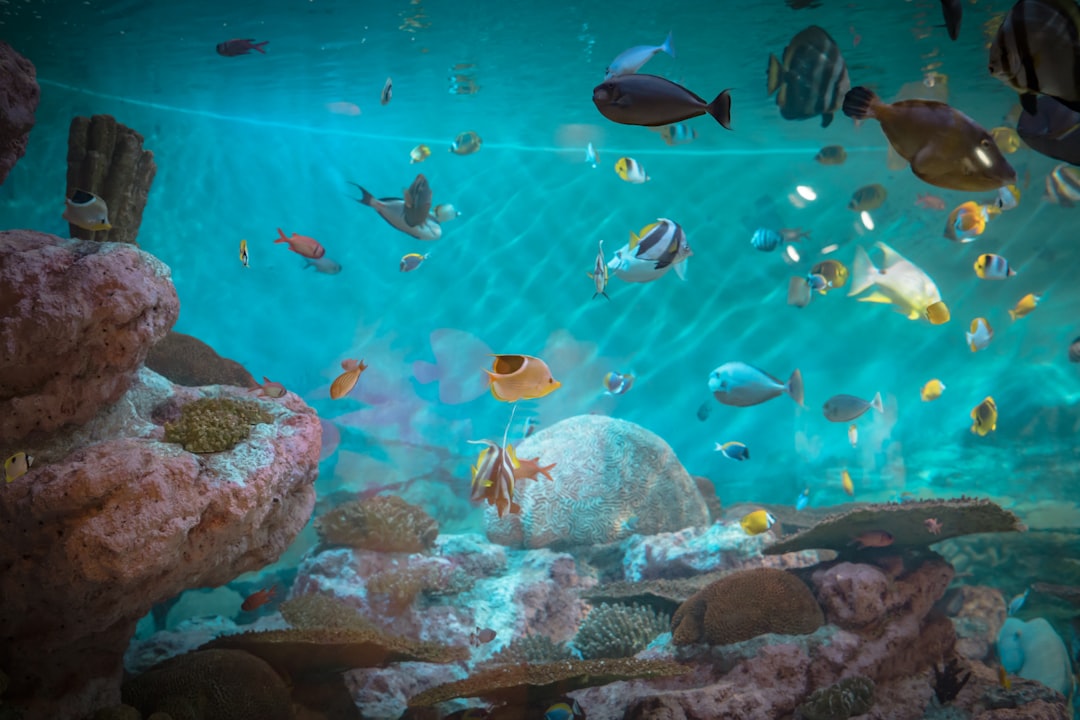
Imagine walking into a museum and being greeted not by a plaque or a reception counter but by a living aquatic landscape. An aquarium museum lobby Singapore guide might sound niche, but the intersection of art and nature is exactly where public aquaria create their most powerful impressions. Gensou Aquascaping Singapore has long advocated for aquarium installations in cultural spaces, where they spark curiosity before visitors even reach the first exhibit.
Why Museums Should Consider Lobby Aquariums
Museums compete for attention in a city overflowing with attractions. A well-designed aquarium in the lobby creates an immediate emotional connection — visitors pause, children point, and the space feels alive. Studies on biophilic design consistently show that the presence of living elements reduces visitor stress and increases dwell time. For museums that charge admission, a captivating lobby display sets a positive tone that carries through the entire visit.
Design Considerations for Public Spaces
Scale matters. A lobby aquarium needs to be visible from a distance and proportionate to the surrounding architecture. Tanks in the 1,000 to 3,000-litre range work well in mid-sized lobbies, while flagship institutions might commission custom builds exceeding 10,000 litres. Panel thickness, viewing height and lighting must be engineered for public interaction — children press faces against glass, and reflections from ambient lobby lighting can wash out the display if not carefully managed.
Freestanding peninsula-style tanks that visitors can walk around offer more viewing angles than wall-mounted designs. Curved glass panels, though more expensive, eliminate the visual distortion at corners and create a more immersive experience.
Species Selection for Maximum Impact
Public aquariums need species that are visually striking, hardy and tolerant of the slight vibrations and foot traffic that come with a busy lobby. For freshwater displays, large schools of cardinal tetras (Paracheirodon axelrodi) against a dark aquascape create a dramatic effect. Discus (Symphysodon spp.) offer slow, graceful movement and vivid colour. For marine displays, a pair of ocellaris clownfish with a host anemone provides an instantly recognisable centrepiece, while a school of green chromis adds constant motion in the mid-water column.
Aquascaping for Cultural Context
The aquascape itself can echo the museum’s identity. A natural history museum might feature a biotope representing a local Southeast Asian stream habitat. An art museum could commission an abstract iwagumi layout where stone placement follows principles of asymmetry and negative space. The hardscape becomes a sculptural element, blurring the line between exhibit and infrastructure. In Singapore, incorporating native species or habitats — a mangrove-themed brackish setup, for instance — adds local relevance.
Maintenance and Operational Logistics
Public installations demand a rigorous maintenance schedule. Weekly water changes, daily feeding and equipment checks must happen outside public hours or be performed discreetly. A dedicated sump room — ideally accessible from behind the display wall — simplifies filter servicing and water preparation. Automated dosing, auto top-off and remote monitoring systems reduce the daily workload but do not eliminate the need for a trained aquarist visiting at least twice weekly.
Cost and Budgeting
A custom lobby aquarium in Singapore typically starts at $15,000-25,000 SGD for a mid-range freshwater build, including the tank, cabinet, filtration and initial livestock. Marine installations with corals and advanced lighting can exceed $50,000 SGD. Ongoing maintenance contracts add $800-2,000 per month depending on tank size and complexity. These figures should be viewed as a long-term investment in visitor experience rather than a one-off expense.
Inspiring Examples and Possibilities
Singapore already embraces aquatic displays in commercial spaces — shopping malls, hotel lobbies and restaurants feature impressive tanks. Museums represent the next frontier. A thoughtfully designed lobby aquarium aligns with Singapore’s broader push toward biophilic urbanism and positions a cultural institution as forward-thinking, accessible and attuned to the natural world.
Related Reading