Aquarium for Public Libraries in Singapore: Quiet Wonder
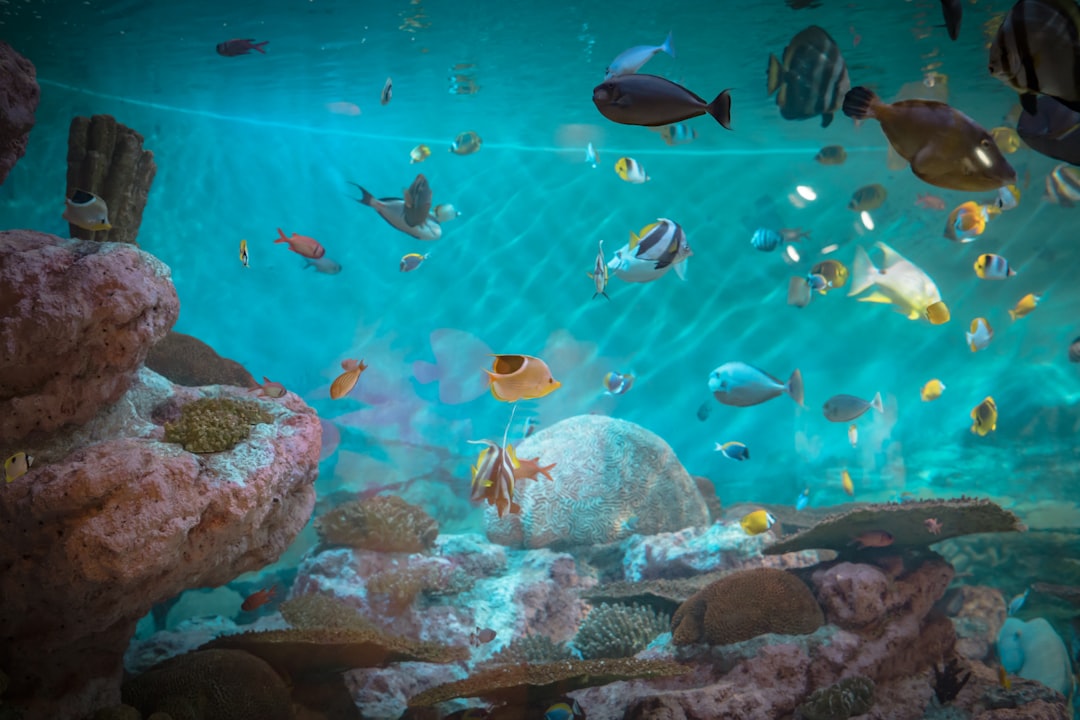
Public libraries are sanctuaries of quiet focus, and few additions complement that atmosphere better than a gently lit aquarium in the reading area. This aquarium public library Singapore guide explores how NLB branches and community libraries could integrate living aquatic displays to enhance the visitor experience. Gensou Aquascaping Singapore sees enormous potential in bringing nature into spaces where people come to learn, reflect and recharge.
The Case for Aquariums in Libraries
Libraries already embrace biophilic design — indoor plants, natural light and timber furnishings appear in newer NLB branches like library@harbourfront and Tampines Regional Library. An aquarium extends this philosophy into the aquatic realm. Research on restorative environments suggests that watching fish swim reduces anxiety and lowers heart rate, creating a micro-retreat within the library that benefits stressed students, elderly patrons and children alike.
Choosing the Right Location Within the Library
Placement determines whether the aquarium enhances or disrupts the library’s function. A tank near the entrance serves as a welcoming focal point. One in the children’s section becomes an interactive learning tool. Positioned beside a reading nook, it provides ambient calm without demanding active attention. Avoid placing tanks near emergency exits, high-traffic corridors or directly beneath air-conditioning vents, which can cause temperature fluctuations and excessive evaporation.
Tank Size and Style for Library Environments
A 200 to 600-litre tank strikes the right balance between visual impact and manageable maintenance. Wall-mounted or built-in designs save floor space — valuable real estate in Singapore’s compact library branches. Rimless tanks on low pedestals work well in children’s areas where eye-level viewing for small visitors creates a more engaging experience. Acrylic panels offer better impact resistance than glass in public settings where accidental bumps are inevitable.
Species That Suit a Quiet Setting
Gentle, slow-moving fish match the library’s tone. A shoal of harlequin rasboras (Trigonostigma heteromorpha) — a fish native to Southeast Asia — drifts gracefully without the frenetic energy of danios or barbs. Honey gouramis (Trichogaster chuna) add warm amber colour and curious, unhurried behaviour. For planted displays, a dense carpet of Eleocharis with midground Cryptocoryne creates an underwater meadow that visitors can lose themselves in.
Shrimp-only tanks are another compelling option. Red cherry shrimp (Neocaridina davidi) are active, colourful and endlessly watchable — and they appeal to visitors of all ages.
Educational Opportunities
Libraries exist to educate, and an aquarium offers a living curriculum. Small informational panels beside the tank can explain the nitrogen cycle, photosynthesis in aquatic plants or the ecological role of cleanup crews. QR codes linking to relevant books in the library’s catalogue turn the display into a gateway for deeper learning. Partner with local aquarium societies to host monthly talks or workshops in the library meeting room, connecting the physical display to community engagement.
Maintenance and Noise Management
Silence is sacred in a library. Equipment selection must prioritise quiet operation — DC-powered pumps, inline canister filters housed in a closed cabinet and vibration-dampening mounts for all motorised components. Air pumps, which buzz audibly, should be avoided in favour of filter-driven surface agitation for gas exchange. Schedule maintenance visits during off-peak hours or before the branch opens. A well-designed system with an auto top-off and timer-controlled lighting requires professional attention only once or twice per week.
Budget and Partnerships
Funding a library aquarium can come from community grants, corporate sponsorship or NLB’s own programming budget. A complete freshwater planted setup for a library branch in Singapore might cost $5,000-12,000 SGD including installation, with monthly maintenance running $400-800. Partnering with an aquascaping firm like Gensou ensures the display is designed for longevity and low operational burden — essential qualities for a public institution that cannot afford downtime or unsightly neglect.
Related Reading