How to Aquascape a Nano Reef Tank: Rock, Flow and Coral Placement
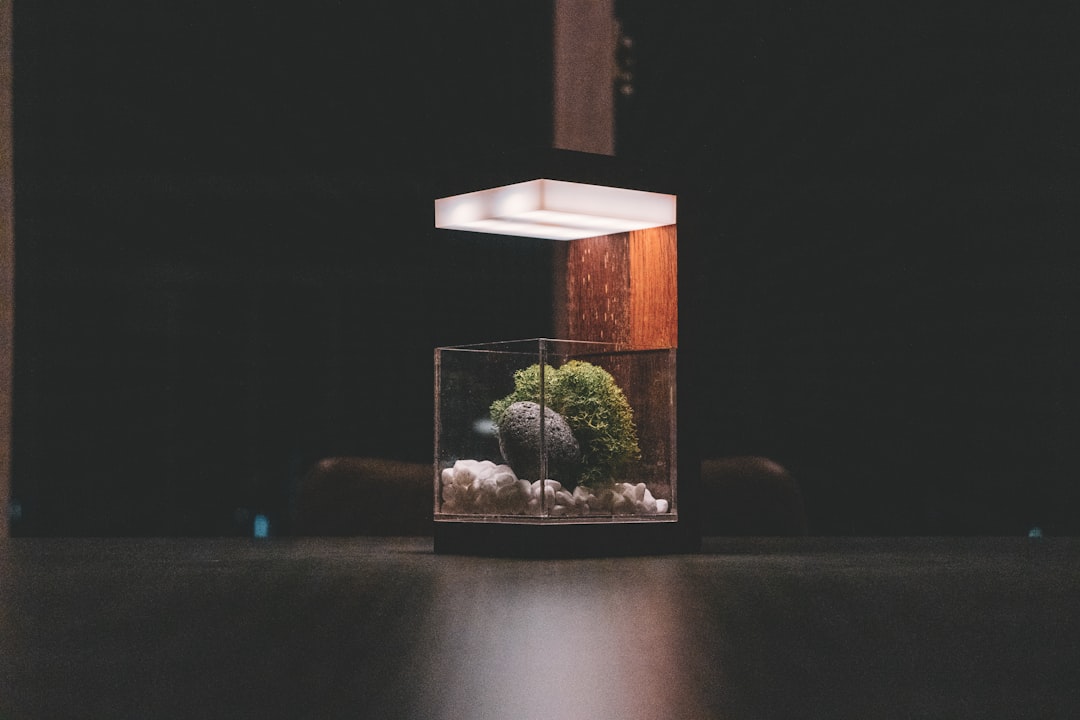
Working within a small footprint demands precision — every rock, coral and gap matters when you aquascape nano reef tank setups under 80 litres. This guide from Gensou Aquascaping Singapore draws on over 20 years of designing compact marine displays, where the margin for error is thinner but the visual payoff per square centimetre is enormous. A well-planned nano reef can rival tanks three times its size in sheer beauty.
Start With a Vision
Before touching a single rock, decide on a style. An island scape places one central rock formation surrounded by open sand. A wall scape fills the back with structure and leaves the foreground open. A minimalist pillar uses a single tall piece to create height. Sketch your idea on paper or browse online galleries for inspiration. Knowing your end goal prevents the common trap of haphazardly stacking rocks until the tank looks cluttered.
Choosing Rock for Nano Tanks
Dry rock like CaribSea LifeRock or Marco Rock is lightweight, pest-free and easy to shape. Aim for 1–1.5 kg of rock per 10 litres — roughly 3–5 kg for a 40-litre tank. Select pieces with interesting shapes: arches, overhangs and porous textures add visual depth. Avoid uniformly round pieces that stack like boulders. In Singapore, dry rock costs $8–$15 SGD per kilogram at most marine shops, making it more affordable than cured live rock.
Building the Structure
Stability is critical in small tanks where even slight bumps can topple loose rock. Use reef-safe epoxy or cyanoacrylate gel to bond pieces together outside the tank first, then place the completed structure as one unit. Keep the base narrow and build upward to create negative space beneath and around the formation. Elevating rock on small ceramic frag plugs or egg-crate at the base allows water to flow underneath, reducing dead spots where detritus accumulates.
Flow Around the Rockwork
Nano tanks need careful flow planning because powerheads are close to everything. Position your wavemaker so water circulates around the rock structure rather than blasting directly into it. A single small pump rated at 1,000–2,000 litres per hour, combined with the return pump, provides adequate turnover for most nano reefs. Watch for dead spots behind rock formations — a slight angle adjustment often solves stagnation issues that lead to cyanobacteria blooms.
Coral Placement Strategy
Light and flow dictate where each coral goes. Place high-light SPS corals like Acropora and Montipora at the top of the structure, closest to your LED. Mid-level shelves suit LPS corals such as Euphyllia and Blastomussa that prefer moderate light. Reserve the sand bed and lower rock crevices for mushroom corals and zoanthids that tolerate lower PAR. Leave at least 5 cm between neighbouring colonies — corals wage chemical warfare, and tight spacing in a nano tank intensifies aggression.
Sand or Bare Bottom
A thin layer (1–2 cm) of fine aragonite sand adds a natural look and houses beneficial bacteria. However, bare-bottom nano reefs are easier to keep clean and allow you to direct all detritus toward the overflow. If you choose sand, avoid deep beds in small tanks — they compact and trap waste. For HDB flats where minimal maintenance is preferred, bare bottom is a practical choice that still looks striking with the right rock arrangement.
Common Nano Aquascaping Mistakes
Overfilling the tank with rock is the most frequent error. A nano reef crammed with stone looks claustrophobic and leaves nowhere for corals to grow into. Using too many small, loose pieces creates an unstable rubble pile. Placing rock directly against the back glass traps detritus in unreachable areas. Leave at least 3–4 cm between rock and all glass panels for easy cleaning and water circulation.
Related Reading