
Pico Reef Aquascape Under 20 Litres: Maximum Impact, Minimum Space
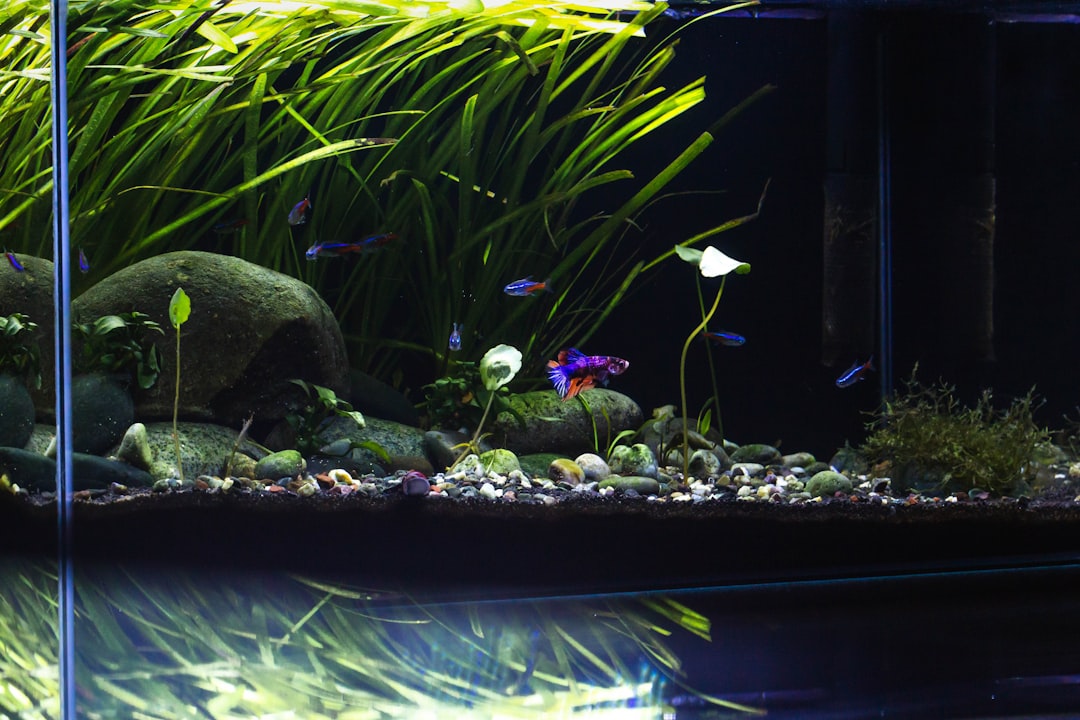
Big things come in small packages, and a pico reef aquascape under 20 litres proves that a thriving saltwater ecosystem can fit on a desk or bookshelf. Gensou Aquascaping Singapore has built pico reefs for clients in studio apartments, office reception areas and even kitchen countertops — spaces where a full-sized tank is impractical but the desire for marine life is strong. With disciplined aquascaping and careful livestock choices, these tiny tanks punch well above their weight.
Defining Pico Reef
A pico reef is generally any saltwater tank under 20 litres. Common formats include 8-litre cubes, 12-litre bookshelf tanks and 15-litre AIO desktop systems. At this scale, every decision is amplified. A single misplaced rock crowds the tank. One extra fish overloads the filtration. Success depends on restraint, consistency and an aquascape designed for the space rather than scaled down from a larger concept.
Rock Selection and Placement
Use one or two carefully chosen pieces of dry rock, totalling no more than 1–2 kg. A single branch rock with natural arches and overhangs creates more visual interest than multiple stacked pieces. Bond your rock to a small ceramic tile base with reef epoxy for stability — pico tanks are light enough to be bumped, and a toppled rock can crack thin glass. Position the formation off-centre, leaving at least 40 per cent of the sand bed visible for a sense of openness.
Sand Bed or Bare Bottom
Both approaches work, but bare bottom simplifies maintenance enormously at this scale. Detritus is instantly visible and easily removed with a turkey baster during daily spot checks. If you prefer the look of sand, keep it ultra-thin — 5 mm of fine aragonite is enough for aesthetics without trapping waste. Avoid crushed coral, which traps debris between coarse grains.
Coral Choices for Pico Reefs
Stick with hardy, slow-growing species that tolerate the parameter swings inherent in tiny water volumes. Zoanthids and palythoas offer vibrant colour in minimal space. Mushroom corals (Rhodactis, Discosoma) thrive under moderate light and flow. Ricordea florida adds texture and comes in striking colour morphs. A single small Euphyllia frag can serve as a centrepiece, though it needs stable alkalinity. Avoid fast-growing SPS — they will outgrow the tank within months.
Flow and Filtration
A small return pump providing 200–400 litres per hour of turnover is sufficient. Adding a wavemaker in a pico tank risks creating a washing machine effect. Instead, angle the return nozzle to create gentle circular flow. Filtration in most pico AIOs relies on a small rear chamber — pack it with filter floss (changed weekly), MarinePure bio-media and a small bag of ChemiPure. A protein skimmer rarely fits at this scale, so frequent water changes compensate.
Temperature Challenges in Singapore
Pico tanks are especially vulnerable to Singapore’s ambient heat. A 10-litre tank can swing from 25 °C in an air-conditioned office to 30 °C over a weekend when the aircon is off. A clip-on fan helps but accelerates evaporation dramatically — you may lose 500 ml per day, enough to raise salinity significantly. An auto top-off with a small reservoir is practically essential. For permanent cooling, a thermoelectric chiller rated for 20 litres costs around $80–$120 SGD on Shopee.
Maintenance Routine
Perform 20–30 per cent water changes twice weekly — that is just 3–4 litres each time. Use a turkey baster daily to blast detritus from rock crevices and siphon any accumulation. Test salinity with a refractometer after every top-off. Check alkalinity and calcium weekly if keeping LPS. The entire maintenance routine takes under ten minutes per session, making pico reefs surprisingly manageable once you build the habit.
Stocking Limits
Fish options are extremely limited. A single Trimma goby or neon goby is appropriate for 10–15 litres. Tanks closer to 20 litres can house a pair of sexy shrimp (Thor amboinensis) alongside one small fish. Invertebrates like dwarf hermit crabs and Nassarius snails handle cleanup without adding much bioload. Resist the urge to add clownfish — even the smallest species needs at least 30 litres for long-term health.
Related Reading



