Aquascape a Marine Lagoon: Shallow Reef With Sandy Foreground
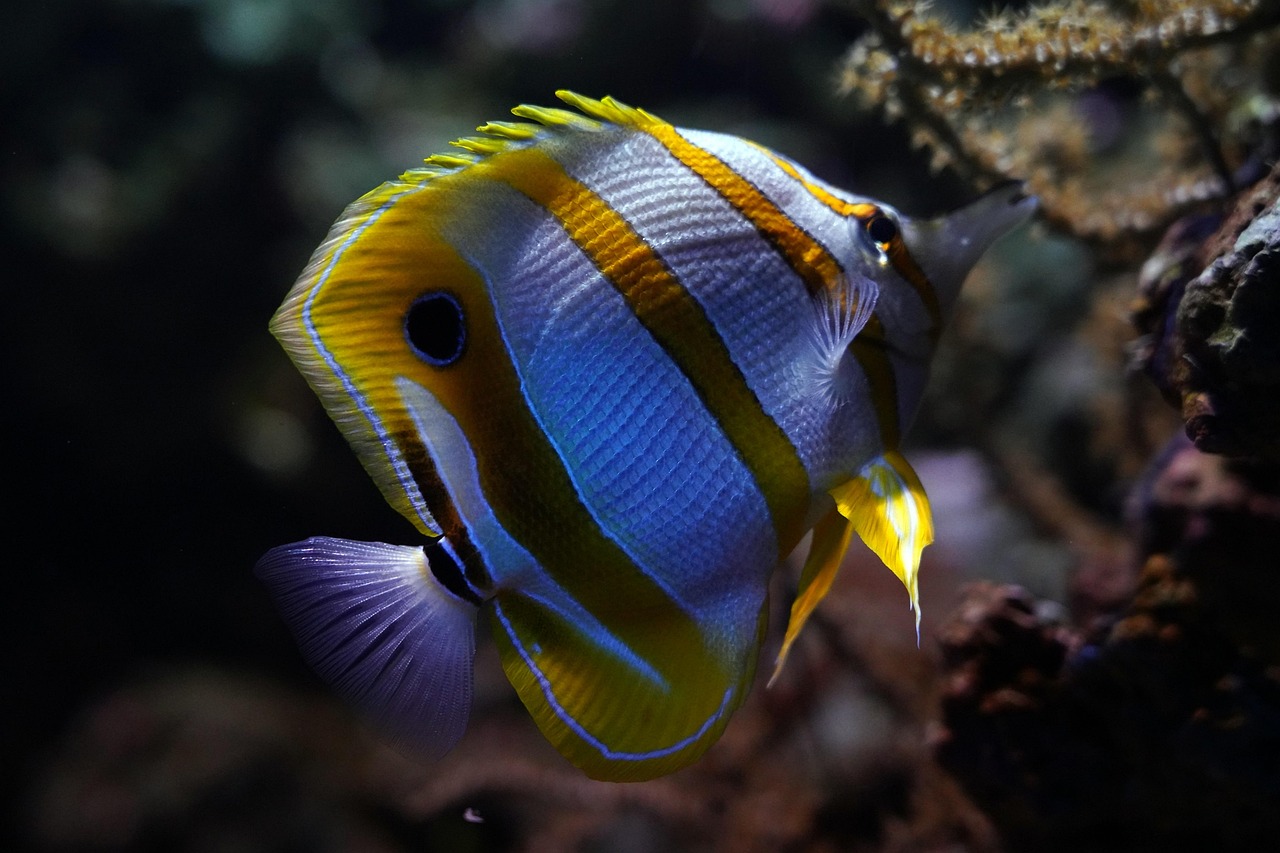
Lagoon environments are among the most serene habitats on any tropical reef — shallow, sun-drenched waters over white sand, dotted with isolated coral heads and gently swaying sea grass. An aquascape marine lagoon shallow reef captures this tranquillity in your living room, offering a refreshing alternative to the dense, rock-heavy displays that dominate the hobby. At Gensou Aquascaping Singapore, lagoon-style tanks are among our most requested designs, prized for their open, calming aesthetic.
Defining the Lagoon Style
A lagoon aquascape prioritises open sand over rock. Where typical reef tanks fill 60-70 per cent of the floor with live rock, a lagoon layout reverses that ratio — 60-70 per cent open sand with scattered, isolated coral formations. The feeling should be spacious and bright, like looking into shallow tropical water from above. Depth perception is built horizontally rather than vertically, with coral islands receding across the sand bed.
Tank Selection and Dimensions
Shallow tanks suit this style best. A tank measuring 90 x 45 x 30 cm provides excellent proportions — wide and long for that expansive lagoon feel, but shallow enough for uniform light penetration. Peninsula-style tanks that extend into a room also work beautifully for lagoon layouts. In Singapore HDB flats and condos, a low-profile tank on a sleek cabinet doubles as a room divider while keeping the visual weight minimal.
Substrate: The Sandy Canvas
Use fine to medium aragonite sand (0.5-2 mm) in white or light cream. Lay it 3-5 cm deep to support burrowing livestock and create a natural appearance. Keep the sand bed immaculate — in a lagoon layout, the substrate is a featured design element, not merely functional. Sand-sifting gobies, nassarius snails, and cerith snails maintain a clean surface. Avoid coarse crushed coral, which traps detritus and detracts from the smooth lagoon aesthetic.
Rock Arrangement: Island Formations
Create two to four small, isolated rock islands rather than a single connected structure. Vary their sizes — one larger central formation flanked by smaller satellite islands creates a natural hierarchy. Leave generous sand channels between islands, at least 15-20 cm wide. Anchor each island securely to a base rock hidden beneath the sand to prevent toppling. Use weathered, rounded rock shapes that suggest years of wave erosion — jagged, angular rocks feel out of place in a calm lagoon setting.
Coral Selection for Lagoon Tanks
Lagoon-appropriate corals include species that thrive in high light and moderate flow. Tridacna clams placed on the sand bed between islands look spectacular and are biologically authentic. Branching Acropora on the tops of rock islands, Fungia plate corals scattered on the sand, and clusters of zoanthids on lower rock surfaces all suit the style. Soft corals like Sarcophyton leather corals add gentle movement. Avoid overcrowding — each coral should have breathing room, maintaining the open lagoon character.
Flow and Lighting
Lagoon flow is gentle and broad. Programme your wavemakers to a slow, sweeping pattern rather than intense turbulence. Low-mounted return outlets that push water horizontally across the sand bed replicate the gentle tidal currents of natural lagoons. Lighting should be bright and even — lagoons are shallow environments that receive intense sunlight. A high-output LED fixture providing 200-300 PAR across the sand bed simulates the sun-drenched conditions these corals evolved in.
Fish and Invertebrate Stocking
Stock with species that inhabit sandy lagoon zones. Yellowhead jawfish excavate burrows in the sand bed and provide endless entertainment. Diamond watchman gobies keep the sand turned over. A pair of clownfish hosting in a sand-dwelling anemone creates a natural lagoon focal point. Wrasses, blennies, and small tangs add movement without overcrowding. For invertebrates, sea cucumbers and sand-sifting starfish contribute to substrate maintenance. Source livestock from marine shops around Serangoon North or C328 Clementi for the best selection in Singapore.
Maintaining the Lagoon Aesthetic
Regular sand bed maintenance is essential. Siphon visible detritus during weekly water changes, targeting areas around rock bases where waste accumulates. Stir the top centimetre of sand gently to prevent cyanobacteria from forming mats. Prune corals that begin to overgrow their island boundaries — the open sand must remain dominant. With consistent care, a lagoon aquascape offers a uniquely peaceful marine display that guests will find irresistibly calming.
Related Reading