Best Aquarium Glass Cleaning Robots: Hands-Free Algae Removal
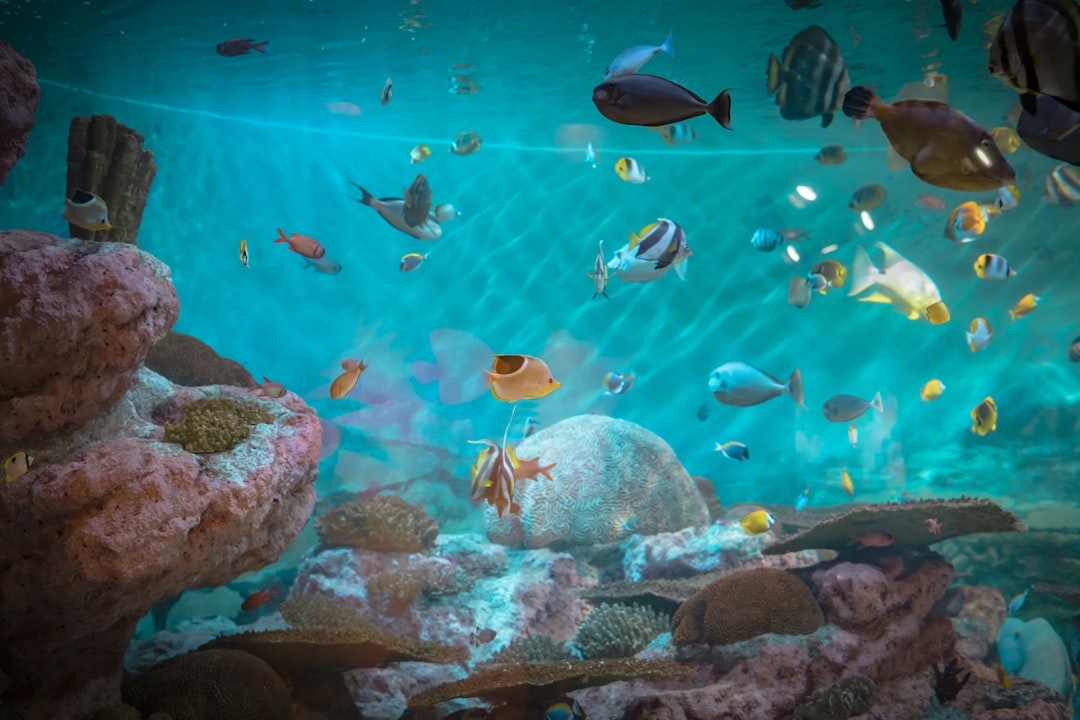
Scraping algae off aquarium glass ranks somewhere between tedious and soul-crushing, especially when you are managing a large reef display. The best aquarium glass cleaning robot takes that chore off your hands entirely, gliding across panels on a schedule while you focus on more rewarding parts of the hobby. Gensou Aquascaping Singapore has installed and tested multiple robotic cleaners across client tanks, from compact nano cubes to 6-foot showpieces, and here is what we have learned.
How Magnetic Cleaning Robots Work
Most aquarium cleaning robots use a magnetic coupling system: a motorised unit sits inside the tank while a powerful magnet holds it in place from outside. The internal unit carries a cleaning pad — typically microfibre or melamine — that scrubs algae as the robot traverses the glass. Sensors detect edges and corners, reversing direction automatically. Power comes from a rechargeable battery or a low-voltage cable routed through the canopy.
Glass thickness matters. Robots rated for 6–10 mm glass will lose grip on 15 mm panels common in larger custom tanks. Always check the manufacturer’s stated range before purchasing.
Top Picks for Singapore Reef Tanks
The Robosnail is a long-standing favourite. It crawls slowly and quietly along a programmed path, cleaning a strip per pass. It handles glass up to 12 mm and runs on a timer, making it ideal for reef tanks where you want minimal disturbance. Pricing in Singapore sits around $280–$350 depending on the retailer.
The Flipper Magnet range is not robotic in the automated sense, but the Flipper MAX deserves mention for its dual-blade design — flip it for a scraper edge on stubborn coralline. For true set-and-forget automation, the newer magnetic robots from brands like HiTech and Coral Box are gaining traction on Shopee and Lazada, typically priced between $200 and $500.
Glass Versus Acrylic Considerations
If your tank is acrylic — common in custom builds here in Singapore — never use a robot equipped with a metal blade or abrasive pad. Acrylic scratches easily and those marks are permanent. Choose a unit with soft felt or microfibre pads specifically rated for acrylic. Some models ship with interchangeable pads for both materials, which adds flexibility if you plan to upgrade tanks later.
Installation and Placement Tips
Position the robot’s starting dock away from overflow boxes, powerheads and return nozzles. Strong cross-flow can dislodge lighter units mid-clean, sending them tumbling into your rockwork — a scenario that risks coral damage. Route cables neatly through the canopy and use cable clips to avoid tangles with dosing lines or ATO tubing.
For rimless tanks, ensure the robot’s edge-detection sensor is calibrated so it does not climb over the top and drop onto your cabinet. Most units allow you to set a buffer zone a few centimetres below the waterline.
Maintenance and Pad Replacement
Cleaning pads wear out. Replace them every four to eight weeks depending on algae load, or sooner if you notice streaking. Rinse pads in old tank water after each cleaning cycle to remove trapped sand grains — a single grain wedged in a pad will leave a scratch line across every pass. Keep spare pads on hand; they cost $8–$15 each and are easily sourced online.
Inspect the magnet housing monthly for salt creep or corrosion, especially in marine setups. A quick wipe with a damp cloth keeps the external magnet gripping properly.
Do You Actually Need a Robot?
For tanks under 60 litres, a handheld magnetic cleaner is perfectly adequate and far cheaper. Robots shine on tanks 120 litres and above, or in commercial installations where daily manual cleaning is impractical. Several of our client displays at offices around Singapore run robotic cleaners on timers, and the glass stays spotless between our scheduled maintenance visits.
Pairing with Algae Management
A robot handles the glass, but it will not solve the root cause of excessive algae. Balance your lighting period (eight to ten hours for reef, six to eight for fish-only), maintain phosphate below 0.1 ppm, and ensure adequate flow so detritus does not settle on panels. Combine the robot with a clean-up crew — turbo snails, hermit crabs, and a single Salarias fasciatus blenny — for a comprehensive approach.
Related Reading
Best Powerheads for Reef Tank Flow
Best Nano All-in-One Reef Tanks