
Best Coral Food and Supplements for a Thriving Reef Tank
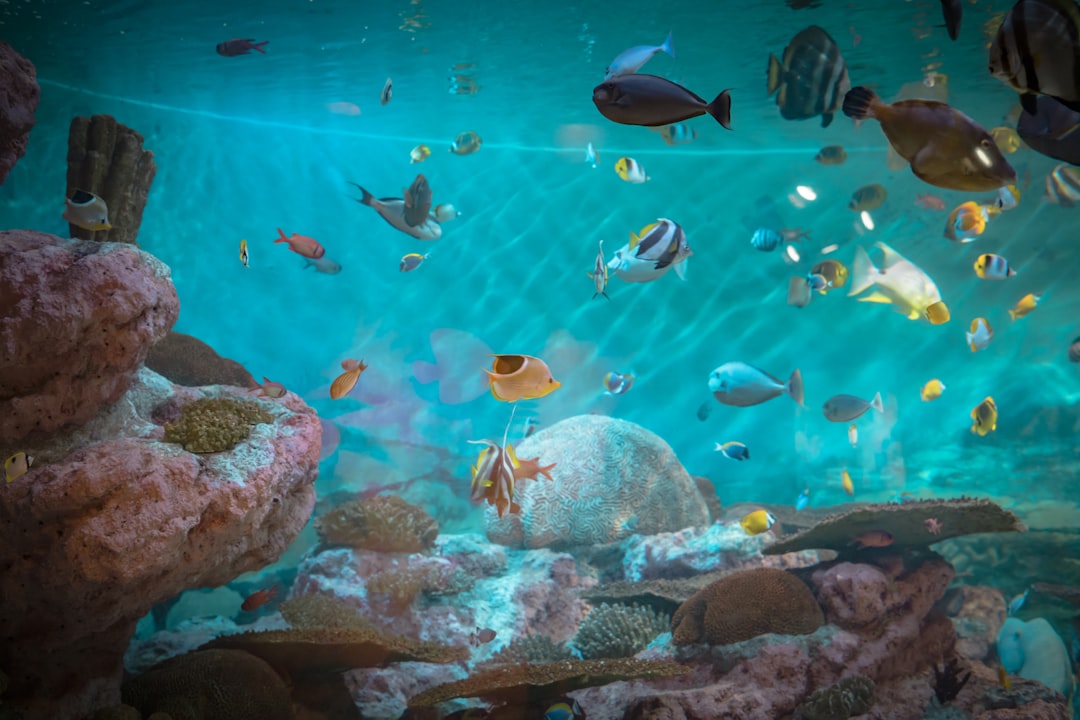
Corals are not decorations — they are living animals that need to eat. Choosing the best coral food supplements reef keepers rely on can mean the difference between pale, slow-growing colonies and a tank that practically glows under blue light. At Gensou Aquascaping Singapore, with over 20 years of hands-on experience maintaining reef systems across the island, we have tested dozens of coral foods and narrowed the field to what actually works in our warm, low-GH water.
Why Corals Need Targeted Feeding
Photosynthetic corals harvest energy from their zooxanthellae, but that alone rarely sustains peak growth and pigmentation. Amino acids, fatty acids, vitamins and trace elements all play roles in tissue repair, skeletal extension and colour expression. In Singapore’s tropical climate, where tank temperatures often sit at 27–28 °C even with a chiller, metabolic rates run high and nutrient demand increases accordingly.
Broadcast feeding — dosing food directly into the water column — benefits filter-feeding soft corals and LPS polyps. Target feeding with a pipette or turkey baster is better for large-polyp species like Euphyllia and Duncanopsammia. Most reefers combine both methods for comprehensive coverage.
Powdered and Liquid Coral Foods
Reef Roids remains a favourite among Singapore hobbyists for good reason. Its fine particle size (averaging 150–200 microns) suits SPS and LPS alike, and a 60 g jar lasts months on a typical 3-foot tank dosed twice a week. Expect to pay around $35–$45 on Shopee or at local Serangoon North shops.
Polyplab Reef-Roids and Fauna Marin LPS Pellets are popular alternatives. Fauna Marin’s pellets sink slowly, giving Trachyphyllia and plate corals time to capture food before it hits the sandbed. For liquid options, Brightwell Aquatics CoralAmino delivers a blend of free-form amino acids that many reefers credit with improved fluorescence within weeks.
Amino Acid and Vitamin Supplements
Amino acids are the unsung heroes of coral colouration. Products like Acropower and Red Sea Reef Energy AB+ supply a cocktail of aminos and carbohydrates designed to boost zooxanthellae density and tissue thickness. Dosing is straightforward — typically 1 ml per 100 litres every other day — but start at half the recommended amount and observe. Overdosing aminos can fuel unwanted algae or bacterial blooms, especially in newer tanks.
Vitamin C (ascorbic acid) at very low concentrations has shown promise in reducing oxidative stress during heat events. Some advanced reefers in Singapore dose 1–2 mg per 100 litres during the hottest months as a precaution, though peer-reviewed data remains limited.
Phytoplankton and Zooplankton
Live phytoplankton cultures such as Nannochloropsis and Tetraselmis feed copepods, which in turn feed your corals and fish. Dosing 5–10 ml of concentrated phyto per 100 litres two to three times a week supports a thriving microfauna population. Refrigerated bottles from local marine shops typically cost $12–$18 and last about four weeks.
Frozen rotifers and Artemia nauplii provide a zooplankton boost that NPS corals like Dendronephthya and sun corals depend on entirely. Thaw small portions in tank water, turn off skimmers for 30 minutes, and broadcast feed after lights out when polyps are fully extended.
Two-Part and Trace Element Synergy
Feeding corals without maintaining stable calcium, alkalinity and magnesium is like watering a plant but withholding sunlight. Pair your feeding regimen with a reliable two-part dosing system to keep calcium at 420–450 ppm and alkalinity at 7.5–9.0 dKH. Trace elements — iodine, strontium, iron — are consumed during growth and should be replenished based on ICP test results rather than guesswork.
Feeding Schedule That Works in Singapore
We recommend a simple weekly rotation. Monday and Thursday: broadcast powdered food. Tuesday and Friday: dose amino acid supplement. Wednesday: target-feed LPS with mysis or pellets. Saturday: phytoplankton dose. Sunday: rest day with only two-part dosing. Adjust volumes based on coral load and nutrient readings — nitrate between 2–10 ppm and phosphate between 0.03–0.08 ppm are solid targets.
Keep skimmers running during amino and phyto dosing but turn them off for 20–30 minutes when broadcast-feeding particulate foods. This gives corals time to capture particles before the skimmer strips them out.
Common Mistakes to Avoid
Overfeeding is the top error we see in Singapore reef tanks. More food does not equal faster growth — it equals cyano, dinoflagellates and frustrated hobbyists. Start conservatively, test nutrients weekly, and increase only when you see uptake without parameter shifts. Also avoid mixing brands recklessly; stick with one amino product and one particulate food until you understand how your tank responds.
Related Reading
How to Feed Corals: Target Feeding for Your Reef



