
How to Breed Discus Fish: Water, Diet and Fry Care
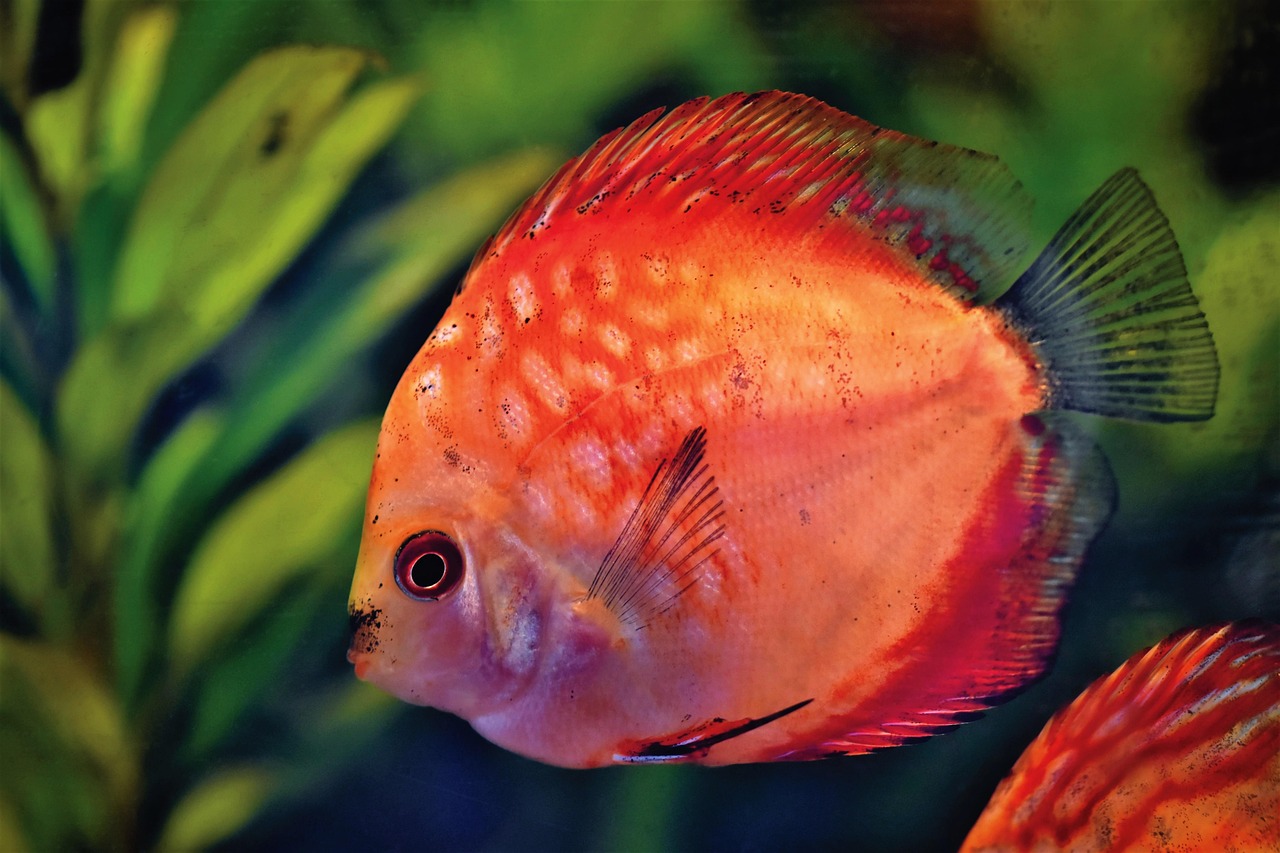
Discus breeding is the ultimate challenge for freshwater aquarists, demanding precision, patience and consistently excellent water quality. This breed discus fish complete guide from Gensou Aquascaping Singapore distils over 20 years of tropical fish-keeping experience into a practical roadmap for successful spawning and fry rearing. Singapore’s naturally soft, warm tap water gives local breeders a genuine advantage—use it wisely and you can raise world-class discus at home.
Selecting a Breeding Pair
The most reliable method is to buy six to eight juvenile discus (Symphysodon spp.) and raise them together until pairs form naturally. Look for robust, round-bodied fish with bright colour and no signs of stunting or dark stress bars. Purchase from reputable breeders or specialist discus shops in Singapore—quality juveniles cost $30–$80 each for popular strains like Pigeon Blood, Blue Diamond and Snakeskin. Avoid mixing wild-caught and tank-bred strains in a breeding group.
Breeding Tank Setup
A bare-bottom 200–250-litre tank is the standard breeding setup. Include a vertical spawning surface—a terracotta cone, PVC pipe or broad-leafed plant—and a sponge filter for gentle biological filtration. Bare floors make cleaning easier, which is critical because discus fry feed on the parents’ body mucus for the first week. Keep the tank dimly lit and in a quiet location; discus are easily spooked, and stressed pairs eat their eggs.
Water Parameters
This is where Singapore breeders have an edge. PUB tap water at GH 2–4 and pH around 6.5–7.0 is already close to ideal discus breeding conditions. For stubborn pairs, further soften the water with an RO unit to achieve GH 1–2 and pH 5.5–6.5. Temperature should sit at 29–30 °C—often achievable without a heater in Singapore’s climate. Maintain zero ammonia and nitrite with daily 20–30 % water changes using aged, temperature-matched water.
Conditioning and Spawning
Feed breeding pairs a high-protein diet of frozen bloodworms, beef heart mix, live blackworms and quality pellets for two to three weeks before attempting to trigger spawning. A large (40–50 %) water change with slightly cooler, softer water often stimulates the pair. Spawning begins with both fish cleaning the chosen surface meticulously, followed by the female laying rows of adhesive eggs while the male fertilises them. A typical spawn produces 150–300 eggs.
Egg and Larval Care
Eggs hatch in 48–60 hours at 30 °C. Parents fan the eggs and transfer wrigglers between surfaces. After three to four days, fry become free-swimming and attach to the parents’ flanks to feed on a protein-rich mucus secretion—a behaviour unique to discus. This parental feeding phase lasts seven to ten days and is critical for fry survival. Do not separate fry from parents during this period. If one parent becomes aggressive, remove it but leave the other with the fry.
Feeding Fry After Weaning
Once fry begin detaching from the parents for longer periods (around day seven to ten), introduce freshly hatched brine shrimp nauplii. Feed four to five times daily, siphoning uneaten food and waste between feedings. At three weeks, add finely crushed flake and micro pellets. By six weeks, fry should be 1.5–2 cm and can be moved to a grow-out tank. Maintain pristine water—daily 20–30 % changes—to prevent stunting, which is irreversible in discus.
Common Breeding Challenges
Egg eating is the most frequent setback, especially with first-time pairs. Give them four to five attempts before considering artificial hatching (removing the cone to a separate container with methylene blue and an air stone). Poor hatch rates usually indicate water quality issues or an infertile male. Fry mortality spikes when parents produce insufficient mucus—often caused by stress, poor diet or incompatible pairing. Patience and consistent husbandry are the breeder’s greatest tools.
Selling Juvenile Discus in Singapore
Home-bred discus sell well in Singapore’s active hobbyist community. At 5–7 cm (roughly three to four months old), juvenile discus fetch $15–$40 depending on strain and quality. Sell through local aquarium forums, Facebook groups and Carousell. Building a reputation for healthy, well-grown fish is more valuable than chasing the latest colour morph—serious buyers return to breeders they trust.
Related Reading
How to Breed Angelfish: Pairing, Spawning and Raising Fry
How to Breed Convict Cichlids: The Easiest Cichlid for Beginners



