
How to Breed Convict Cichlids: The Easiest Cichlid for Beginners
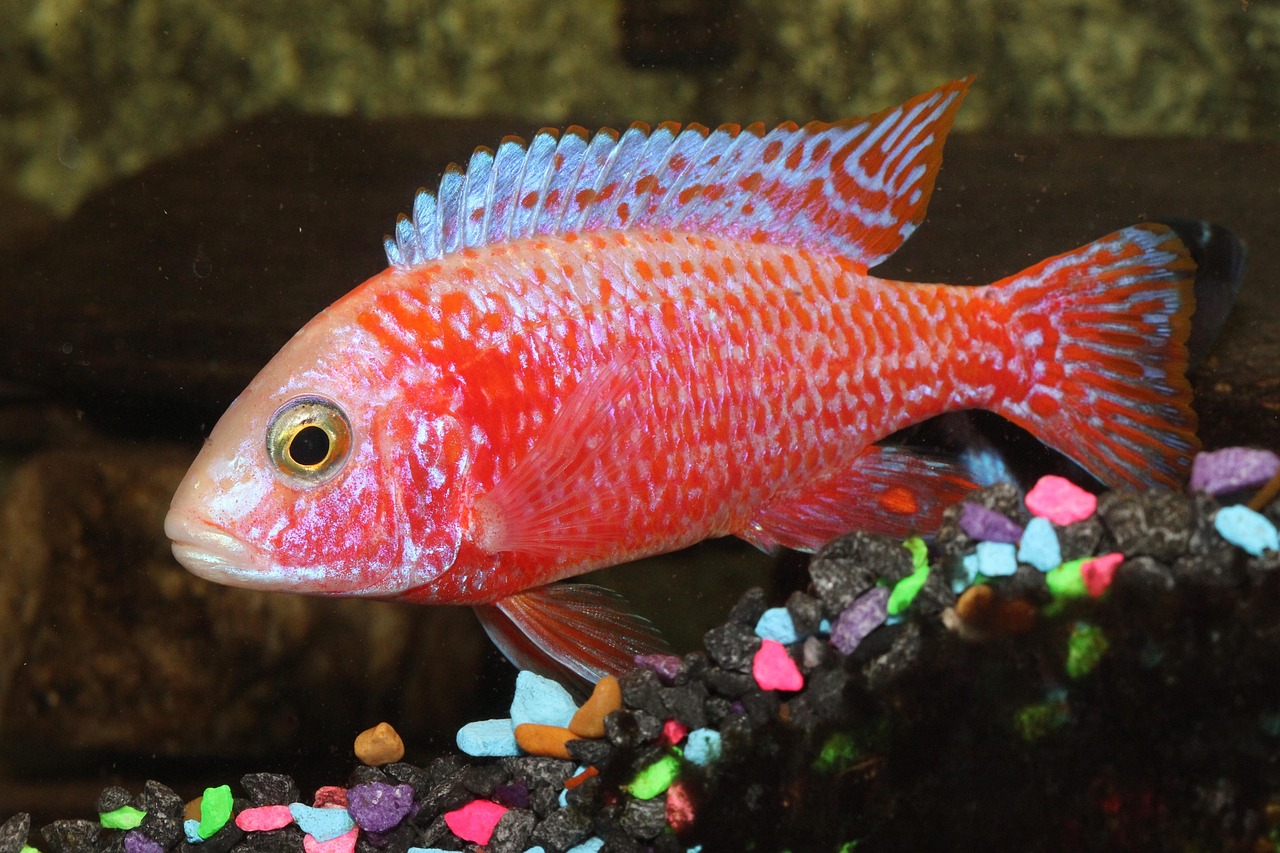
If you want to experience the thrill of fish breeding without the steep learning curve, convict cichlids are the place to start. This breed convict cichlids beginners guide from Gensou Aquascaping Singapore shows you how to pair, spawn and raise these prolific Central American cichlids with minimal fuss. Hardy, beautiful and fiercely devoted parents, convicts breed so readily in Singapore’s warm water that your biggest challenge will be finding homes for the fry.
About Convict Cichlids
Amatitlania nigrofasciata, commonly known as the convict cichlid or zebra cichlid, is a small (10–15 cm) species from the rivers and lakes of Central America. Males are larger with longer dorsal and anal fins, while females are smaller and often display orange-gold patches on the belly—especially when in breeding condition. Colour morphs include the standard black-and-white striped, pink (leucistic), marble and gold varieties. They cost just $2–$5 each at most Singapore fish shops.
Breeding Tank Setup
A 100–150-litre tank comfortably houses a breeding pair. Provide a cave or half-buried terracotta pot as a spawning site—convicts are secretive cave spawners. Use sand or fine gravel substrate, a few rocks for territory boundaries and a sponge filter for gentle filtration. Moderate lighting is fine; convicts are not fussy. Keep the tank in a quiet spot, though convicts are far less skittish than discus or angelfish.
Water Parameters
Convicts tolerate a wide range of conditions, making them ideal for Singapore beginners. pH 6.5–8.0, GH 4–15, temperature 25–30 °C—all achievable with our PUB tap water after dechloramination. In fact, Singapore’s ambient room temperature of 28–30 °C is perfect, so you may not even need a heater. Maintain zero ammonia and nitrite with weekly 20–25 % water changes. That is essentially the extent of their water chemistry demands.
Pairing and Conditioning
Unlike discus or angelfish, sexing convict cichlids is straightforward once they reach 5–6 cm. Place a male and female together—or let a pair form naturally in a group of six juveniles—and condition them with high-protein food: frozen bloodworms, brine shrimp and quality cichlid pellets. A well-fed pair in warm water will typically spawn within two to four weeks of being introduced. You will know spawning is imminent when both fish begin cleaning the inside of a cave obsessively.
Spawning and Egg Care
The female deposits 100–300 adhesive eggs on the ceiling or walls of the cave, and the male fertilises them. Both parents guard the nest aggressively—even your hand during maintenance is not safe. Eggs hatch in two to three days at 28 °C, and the parents move the wrigglers to a shallow pit in the substrate. By day five to seven, fry are free-swimming and begin foraging under the watchful escort of both parents. This biparental care is spectacular to observe and makes convicts an excellent educational species.
Feeding Fry
Free-swimming convict fry are large enough to eat freshly hatched brine shrimp, crushed flake food and micro pellets from day one. Feed three to four times daily in small portions. The parents will actively herd the fry cloud and even chew food into smaller pieces for their young. Growth is rapid—fry reach 1.5–2 cm within a month and develop recognisable stripes by six weeks.
Managing Prolific Breeding
Convicts can spawn every three to four weeks, producing hundreds of fry per cycle. Without population control, you will quickly run out of tank space. Options include selling juveniles through Carousell or local fish groups, trading with shops in the Serangoon North area, raising some as feeder fish for larger predatory species, or separating the pair between spawns. Plan your fry management strategy before you start breeding—not after.
Common Mistakes
The most common beginner error is underestimating convict aggression during breeding. A pair guarding fry will terrorise every other fish in a community tank, often injuring or killing tankmates. Always breed convicts in a dedicated tank. Another mistake is overcrowding grow-out tanks, which stunts fry and fouls water. Thin out batches early and maintain rigorous water changes to grow healthy juveniles worth selling.
Related Reading
How to Breed Angelfish: Pairing, Spawning and Raising Fry



