
Guppy Genetics and Colour Inheritance: Selective Breeding Explained
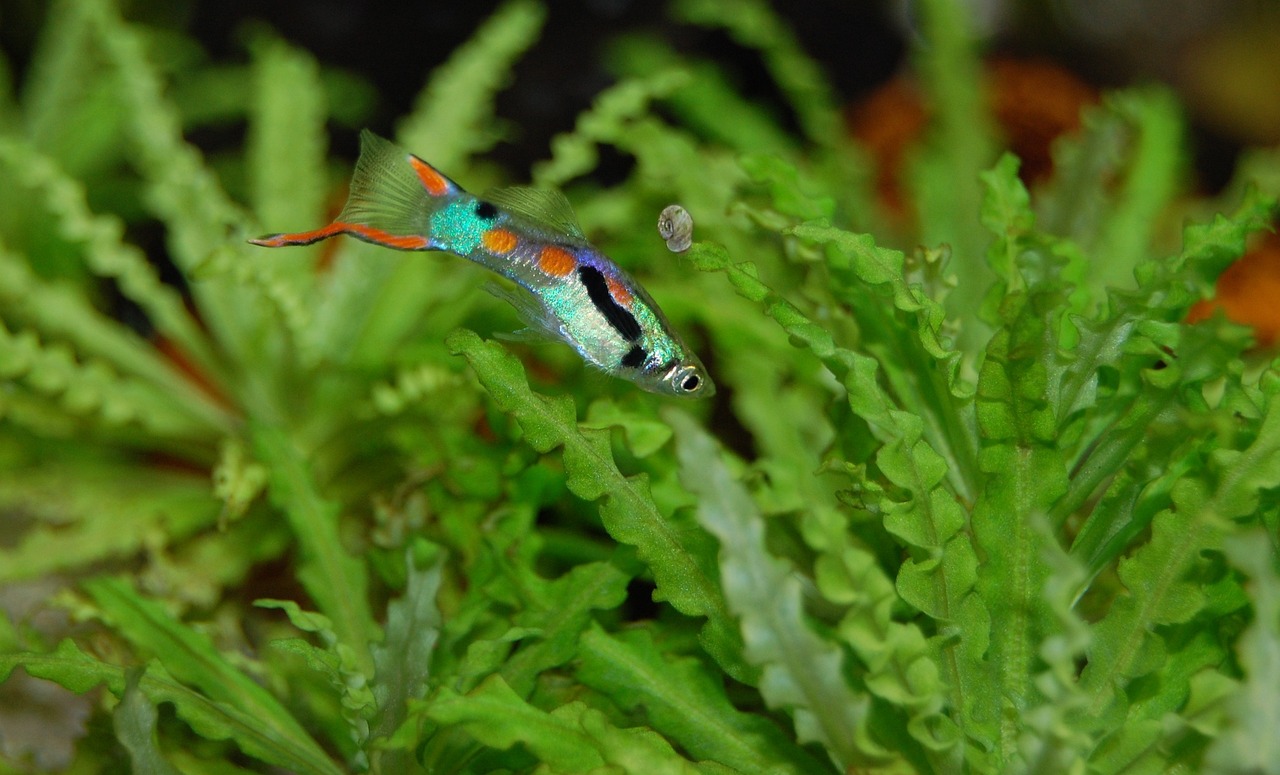
Few freshwater fish reward patient breeders quite like guppies. Understanding guppy genetics colour selective breeding turns random fry drops into purposeful projects where you control tail shape, body pattern and pigment intensity across generations. At Gensou Aquascaping Singapore, we have guided hobbyists through line-breeding programmes for over 20 years, and the fundamentals are easier to grasp than most people expect.
How Guppy Colour Genetics Work
Guppy colouration is governed by multiple gene loci spread across both autosomes and sex chromosomes. Males carry most visible colour genes on the Y chromosome, which is why sons often resemble their fathers far more than their mothers. Females, however, carry hidden colour alleles on their X chromosomes that only express in male offspring, making the choice of female just as important as the choice of male.
The main pigment cell types — melanophores (black), xanthophores (yellow-red) and iridophores (metallic blue-green) — each respond to different genetic instructions. A single guppy can express dozens of allele combinations, which explains why even sibling fry from the same drop can look surprisingly different.
Key Inheritance Patterns for Breeders
Y-linked traits pass directly from father to son. If you pair a half-black male with a wild-type female, most male fry will show the half-black pattern. X-linked traits, on the other hand, travel through daughters before appearing in grandsons. Autosomal traits such as the Moscow gene and certain body-shape modifiers follow standard Mendelian ratios, so roughly 25 per cent of F2 fry will be homozygous for a recessive trait when both parents carry it.
Blonde, golden and albino are autosomal recessive genes that dilute dark pigments, and breeders in Singapore frequently combine them with colour genes to create pastel or platinum strains. These dilution genes are useful tools once you learn to predict their ratios.
Setting Up a Selective Breeding Programme
Dedicate at least three small tanks — a 40-litre breeder tank, a male grow-out and a female grow-out. In Singapore’s tropical climate, room-temperature water at 28–30 °C accelerates guppy growth, and most hobbyists in HDB flats can run this trio on a single shelf unit without a chiller. Use sponge filters to protect fry and keep dissolved oxygen high.
Start with the best pair or trio you can afford from a reputable local breeder. Shops around Serangoon North Avenue 1 and online sellers on Carousell regularly offer named strains such as Blue Moscow, Red Dragon and Full Platinum. Spending $15–$30 on quality breeding stock saves months of selection work later.
Line Breeding and Strain Isolation
Line breeding means mating the best offspring back to a parent or sibling to fix desirable traits. Select the top 10–15 per cent of each generation based on colour density, finnage symmetry and body shape. Cull or rehome the rest to prevent random mating. After three to four generations, your strain should breed reasonably true.
Keep separate lines — an A line and a B line — and cross them every five or six generations to restore vigour. Inbreeding depression shows up as curved spines, smaller brood sizes and washed-out colour, all signs that fresh genetics are overdue.
Tracking and Record-Keeping
Label each tank with the generation number, parent IDs and spawn date. A simple spreadsheet works, but even sticky notes on the glass are better than guesswork. Record the number of fry per drop, sex ratios, and which traits appear at the four-week mark when male colour starts to develop. Over time, your records reveal which crosses produce the most consistent results, and that data is what separates casual hobbyists from serious guppy genetics colour selective breeding practitioners.
Common Mistakes to Avoid
Mixing strains in a community tank is the fastest way to undo months of work — a single stray male can pollinate every female in the tank, and female guppies store sperm for up to eight months. Another frequent error is selecting for colour alone while ignoring body shape and health, which leads to stunning but fragile fish.
Overfeeding fry in Singapore’s warm water causes ammonia spikes faster than in temperate climates. Feed small portions of microworms, baby brine shrimp or crushed flake three to four times daily, and siphon uneaten food promptly.
Colour Strains Popular in Singapore
Blue Moscow, Full Red, Platinum Dumbo Ear and Japanese Blue Endler hybrids are consistently popular at local shows and online auctions. Metallic and bi-colour strains command higher prices, typically $10–$25 per pair on Carousell, because they require disciplined selection to maintain. If you are just starting out, Full Red or Blue Moscow lines are forgiving and visually rewarding.
Related Reading
Betta Breeding Complete Guide: Bubble Nests, Spawning and Fry
How to Raise Fish Fry: Feeding and Care for the First 30 Days
How to Breed Angelfish: Complete Guide



