
Aquarium for Supermarkets in Singapore: Fresh Displays That Draw Crowds
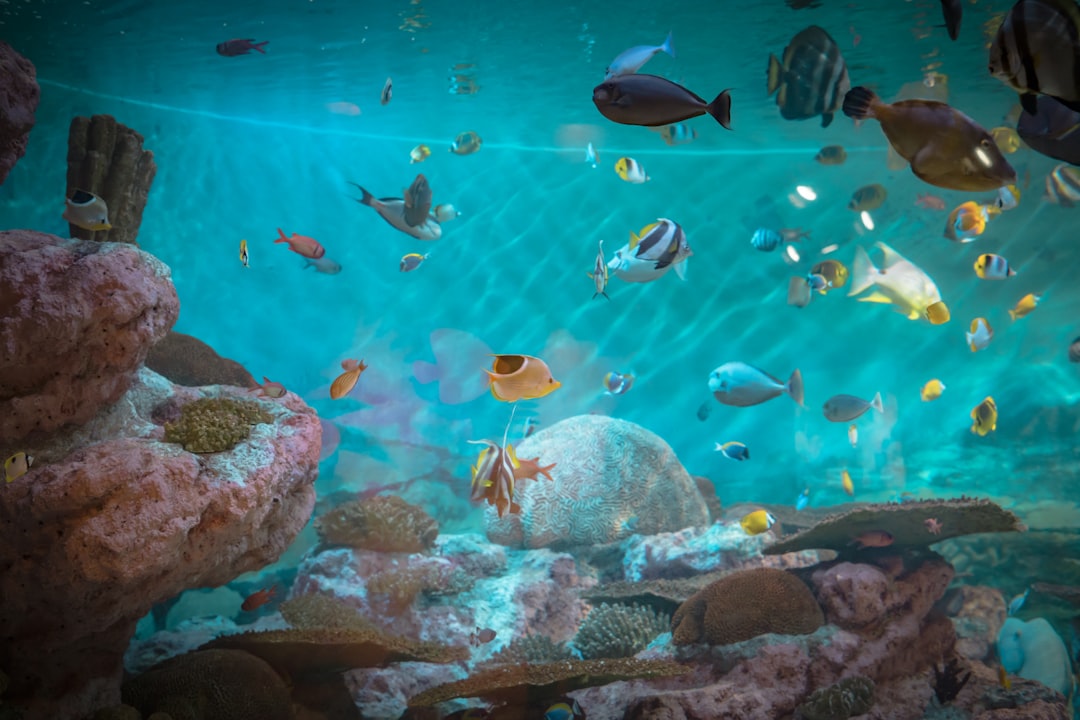
A live fish display in a supermarket does more than showcase seafood — it signals freshness, attracts foot traffic and lifts the perceived quality of the entire store. This aquarium supermarket Singapore guide covers the practical side of commercial aquarium installations, from tank sizing and species selection to SFA licensing and ongoing maintenance. At Gensou Aquascaping Singapore, we have installed and serviced supermarket aquariums across the island, and the operational details matter just as much as the visual impact.
Why Supermarkets Invest in Live Displays
Consumer research consistently shows that live seafood sections increase dwell time and basket size. Shoppers associate live tanks with premium freshness, and in Singapore’s food-centric culture, a well-stocked display builds trust. Supermarket chains including NTUC FairPrice, Cold Storage and Sheng Siong all use live tanks as a competitive differentiator, particularly in outlets near wet markets where traditional fishmongers set the freshness benchmark.
Tank Types and Sizing
Commercial supermarket tanks are typically custom-built from tempered glass or acrylic in capacities of 200–1,000 litres per section. Multi-compartment systems with separate holding cells allow different species to be displayed side by side without mixing. Lobster and crab tanks need shallow, chilled water at 12–16 °C, while tropical fish sections run at ambient 24–28 °C. Overflow sumps beneath the display house filtration and chiller equipment out of the customer’s sight.
Frontage matters — a display that spans 2–3 metres along a high-traffic aisle generates significantly more sales than a single tank tucked in a corner. Budget $3,000–$12,000 per linear metre for a professional-grade system including chiller, filtration and lighting.
Species Commonly Displayed
Live grouper, sea bass (barramundi), pomfret, mud crab and tiger prawns are the most popular species in Singapore supermarket tanks. Tilapia and catfish suit budget-conscious outlets. Lobster and Alaskan king crab appear in premium chains. Each species has different water-quality needs — grouper require strong aeration and protein skimming, while crabs need minimal water depth and rough surfaces to climb on.
Filtration, Chilling and Water Quality
Supermarket aquariums run on high-capacity filtration systems: protein skimmers for marine species, biological media for ammonia control and UV sterilisers to reduce pathogen load. Chillers rated at 0.5–1.5 HP maintain temperatures well below Singapore’s ambient 28–30 °C for temperate seafood. Water quality must be tested daily — ammonia and nitrite at zero, salinity at 30–35 ppt for marine species. Poor water quality leads to die-offs that waste stock and create an unpleasant impression for customers.
SFA Licensing and Compliance
The Singapore Food Agency (SFA) requires all premises selling live seafood to hold the appropriate licence. Tanks must meet hygiene standards, and water discharge must comply with PUB regulations. Regular inspections check for cleanliness, adequate aeration and humane handling. Ensure your tank supplier provides documentation that the system meets SFA guidelines — non-compliance can result in licence suspension.
Maintenance and Service Contracts
Most supermarkets outsource aquarium maintenance to specialist companies. A typical service contract covers weekly water testing, filter cleaning, equipment checks and emergency callouts. Monthly costs range from $300–$800 depending on system size and species complexity. In-house staff should be trained in basic daily tasks: feeding, removing dead stock, topping up water and checking temperatures. Gensou Aquascaping offers commercial maintenance packages tailored to supermarket schedules, including early-morning servicing before store opening hours.
Design Tips That Drive Sales
Bright, even LED lighting in the 6,500–10,000 K range makes fish and seafood look vibrant and appetising. Clear signage with species names, origin and pricing helps customers make quick decisions. Position the display adjacent to the wet counter where staff can net and bag purchases immediately — a long walk from tank to checkout loses impulse buyers. Keep the tank glass spotless and the water crystal clear at all times; murky water is the fastest way to undermine the freshness message your aquarium supermarket Singapore display is built to deliver.
Related Reading
Aquarium vs Pond: Pros and Cons for Beginners
Pond Filtration System Guide: Complete Overview



