





Best Pond Pumps: Submersible vs External for Every Setup
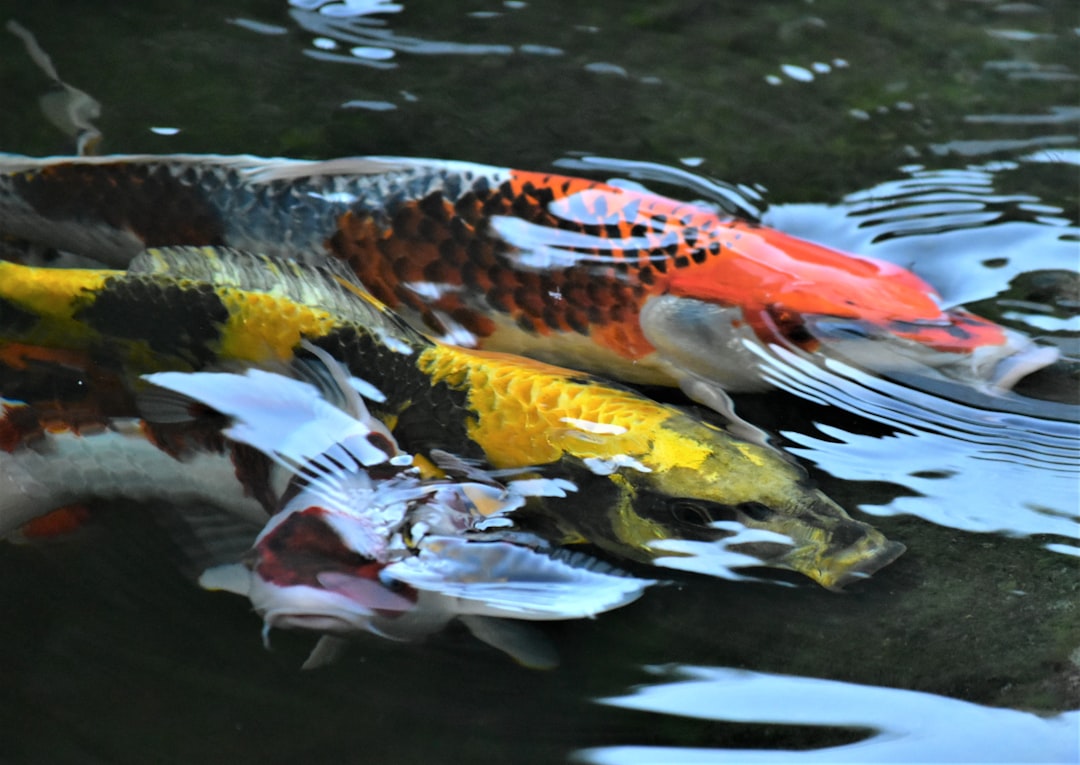
The pump is the heart of every pond — get it wrong and filtration fails, water stagnates and fish suffer. Choosing the best pond pump submersible external option for your setup depends on pond volume, head height, energy efficiency and budget. At Gensou Aquascaping Singapore, we have specified and installed hundreds of pond pumps across garden koi ponds, tub ponds and commercial water features, and this guide distils that experience into practical advice.
Submersible Pumps: How They Work
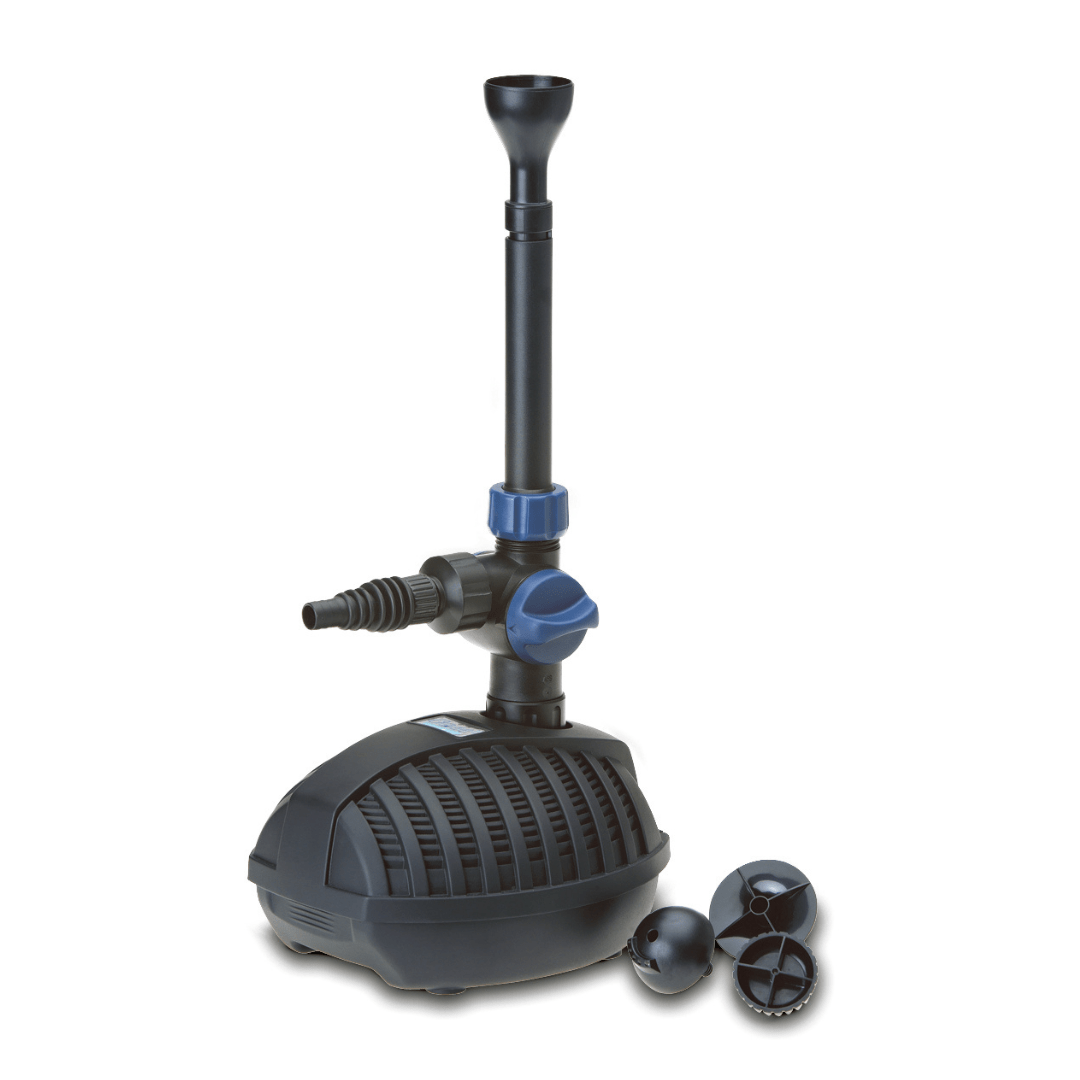
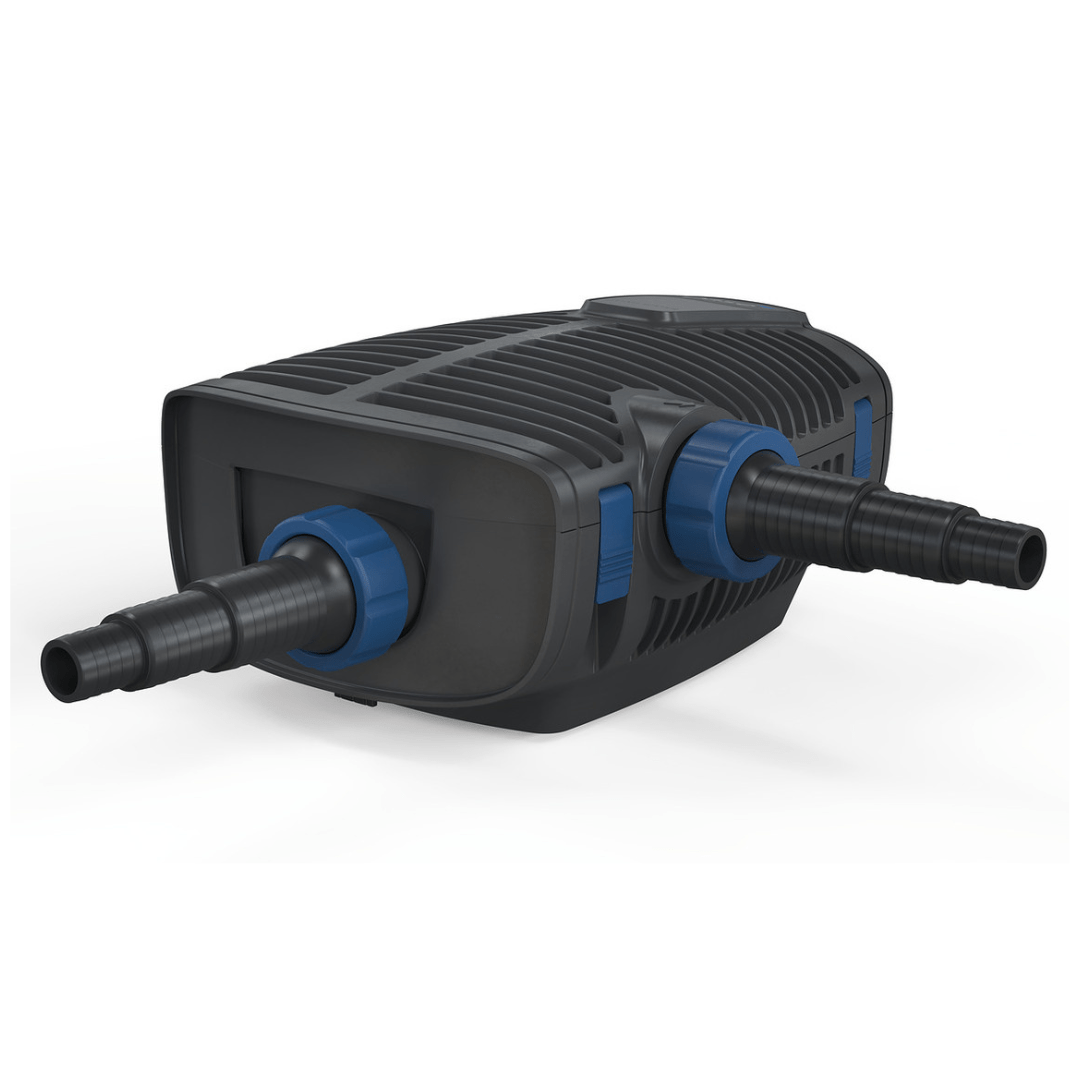
Submersible pumps sit underwater, drawing water in through an intake strainer and pushing it to a filter, waterfall or fountain. They are easy to install — drop them in, connect the hose and plug in — and require no external plumbing. Most submersible models available in Singapore range from 1,000 to 15,000 litres per hour and cost $40–$300 depending on brand and capacity.
They are ideal for small to mid-sized ponds up to 5,000 litres, tub ponds, and setups where simplicity is a priority. The main drawback is heat transfer — the motor warms the water slightly, which matters in Singapore’s already warm 28–32 °C climate.
External Pumps: How They Work
External (or out-of-pond) pumps sit in a dry housing beside the pond, connected via inlet and outlet plumbing. They handle higher flow rates more efficiently and generate less heat in the water. External pumps suit ponds above 5,000 litres, multi-chamber filter systems and setups with significant head height, such as raised waterfalls or elevated filter boxes.
Installation is more involved — you need plumbing runs, check valves and a weatherproof pump housing. Prices start at $200 and run to $800 or more for high-efficiency variable-speed models. Energy savings over time often justify the higher upfront cost for larger ponds.
Sizing Your Pump Correctly
The basic rule is to turn over your entire pond volume at least once per hour. A 5,000-litre koi pond needs a pump rated at a minimum of 5,000 litres per hour at zero head. However, every metre of vertical lift (head height) reduces actual flow. Check the manufacturer’s head-loss curve — a pump rated at 8,000 litres per hour at zero head may deliver only 5,000 litres per hour at 1.5 metres of head.
For ponds with heavy stocking or koi, aim for 1.5 to 2 turnovers per hour. Undersizing the pump is the most common mistake we see in Singapore pond builds, and it leads to poor water clarity and persistent green-water issues.
Energy Efficiency and Running Costs
A pump running 24 hours a day is one of your largest ongoing expenses. At Singapore’s electricity tariff, an 80-watt pump costs roughly $15–$18 per month. A 200-watt external pump for a large pond runs $35–$45 monthly. Look for models with energy-efficient DC motors or variable-speed controllers that reduce wattage during low-demand periods, such as overnight when UV clarifiers may be switched off.
Reliability and Maintenance
Submersible pumps need their intake strainers cleaned every two to four weeks to prevent clogging from leaves and debris — a common issue in Singapore gardens with tropical foliage. External pumps require less frequent cleaning but must be primed correctly after power outages. Always keep a spare impeller on hand; it is the most common wear part, and a broken impeller at midnight means zero filtration until the replacement arrives.
Top Recommendations by Pond Size
For tub ponds under 200 litres, a compact 300–600 litre-per-hour submersible pump costing $15–$30 is sufficient. For mid-sized ponds of 1,000–5,000 litres, a submersible rated at 3,000–6,000 litres per hour in the $80–$200 range is the best pond pump value. For large koi ponds above 5,000 litres, an external pump with 8,000–15,000 litres per hour capacity at $300–$600 delivers the efficiency and flow you need. Local shops at C328 Clementi and the Serangoon North area stock a wide range from brands like Jebao, OASE and Hailea.
Installation Tips for Singapore Conditions
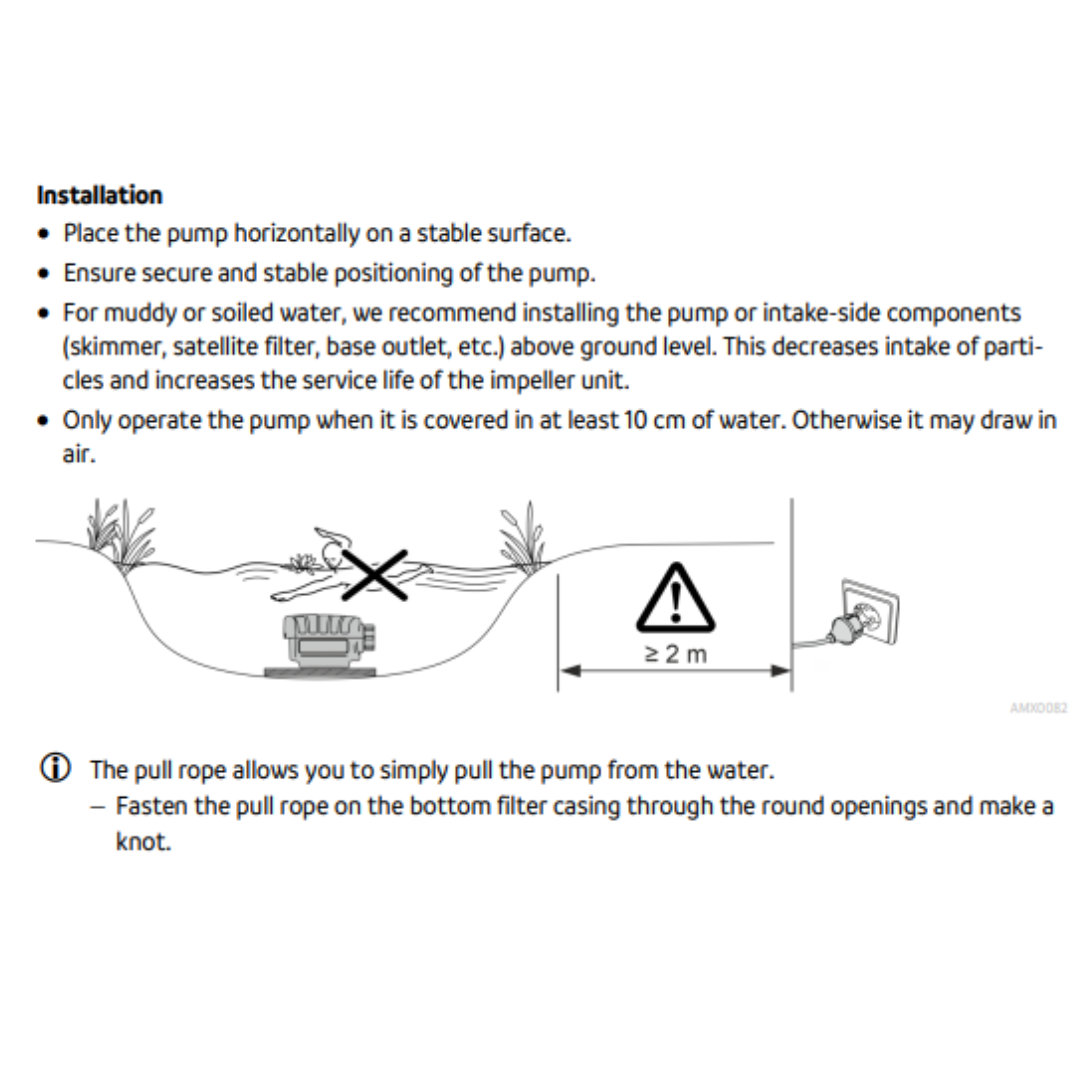
Use UV-resistant flexible hosing — standard PVC tubing degrades quickly in tropical sun. Protect external pump housings from rain with a ventilated cover, and elevate the pump base above potential flood level during monsoon season. Install a circuit breaker and RCD on the pump’s electrical supply for safety. If your pond sits far from a power outlet, have a licensed electrician run a dedicated outdoor socket rather than relying on extension cords.
Related Reading
Best Pond Filters: Box, Pressurised and Multi-Chamber Options
Best Pond UV Clarifiers for Green Water: Wattage and Flow Guide
Pond Filtration System Guide: Complete Overview



