Corydoras vs Otocinclus: Which Bottom Dweller Suits Your Tank
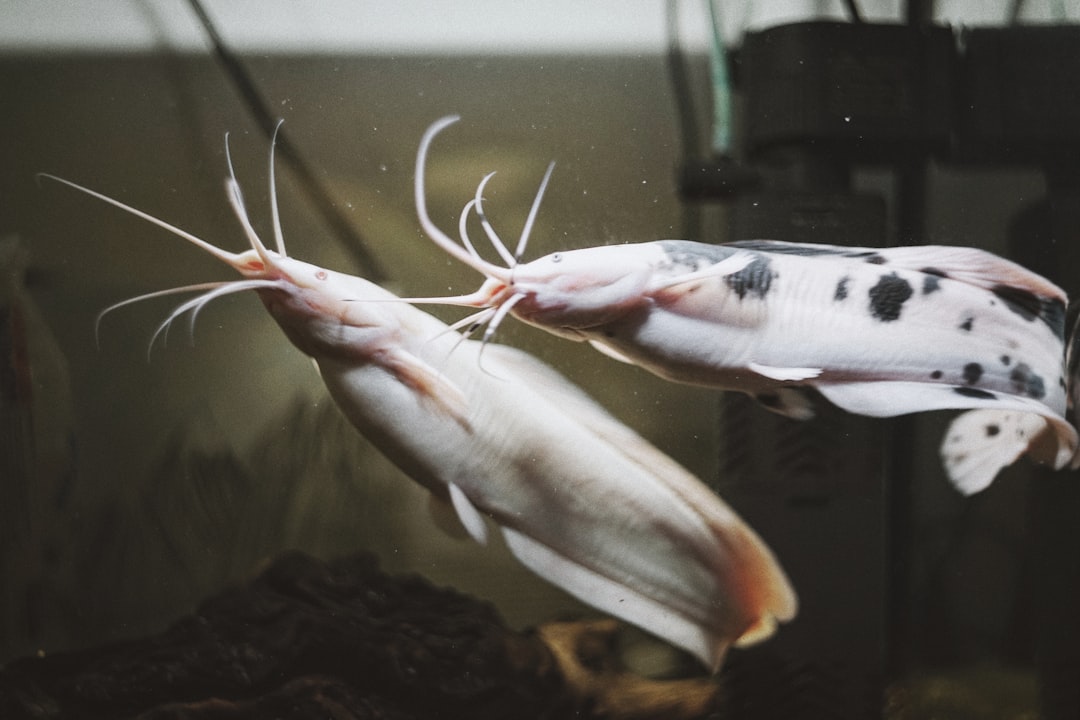
Choosing between corydoras catfish and otocinclus is a common dilemma for anyone setting up a planted community tank. Both are peaceful bottom-dwelling species, but they fill very different roles. This corydoras vs otocinclus comparison breaks down the key differences so you can make an informed choice. At Gensou Aquascaping, 5 Everton Park, Singapore, we recommend both species regularly and know from hands-on experience where each one excels and where it falls short.
Taxonomy and Basic Differences
Corydoras are armoured catfish in the family Callichthyidae, with over 170 described species. Popular aquarium species include Corydoras sterbai, C. panda, and C. pygmaeus. Otocinclus belong to the family Loricariidae (suckermouth catfish), with Otocinclus vittatus and O. cocama being the most commonly sold. Corydoras are chunky, bottom-sifting omnivores that grow to 4-7 cm depending on species. Otocinclus are slim, algae-grazing herbivores that max out at 3-5 cm. The fundamental distinction is diet: corydoras eat leftover food and detritus, while otocinclus eat algae.
Algae Control
If your primary goal is algae management, otocinclus are the clear winner. They graze soft green algae, diatoms, and biofilm from glass, plant leaves, and hardscape surfaces with relentless efficiency. A group of six otocinclus can keep a 60-litre planted tank virtually algae-free. Corydoras provide no meaningful algae control at all. They sift through substrate for food particles and ignore algae entirely. Choosing corydoras for algae cleanup will leave you disappointed.
Feeding Requirements
Corydoras are easy to feed. They accept sinking pellets, wafers, frozen bloodworms, and virtually any food that reaches the bottom. Their robust appetite makes them reliable scavengers in community tanks. Otocinclus are far more demanding. In tanks with insufficient algae, they starve. Supplementing with blanched courgette, cucumber, or spirulina wafers is essential once the natural algae supply runs low. Many otocinclus losses in Singapore occur within the first two weeks of purchase due to starvation in pristine tanks that lack biofilm. Buy them only for established tanks with visible algae growth.
Tank Size and Group Requirements
Both species are social and must be kept in groups. Corydoras need a minimum of six individuals and a tank of at least 60 litres for standard-sized species. Dwarf species like C. pygmaeus can thrive in 30 litres. Otocinclus also require groups of six or more but are smaller-bodied and suitable for tanks as small as 40 litres. Both species appreciate sandy or fine gravel substrate, though this matters more for corydoras, whose delicate barbels can be damaged by sharp gravel.
Water Parameters
Corydoras are generally hardy and tolerate pH 6.0-7.8 and temperatures of 22-28 degrees Celsius. Some tropical species like C. sterbai handle Singapore’s warmer water temperatures of 28-30 degrees Celsius with ease. Otocinclus prefer slightly cooler water at 22-26 degrees Celsius and are sensitive to poor water quality, particularly elevated nitrate levels above 20 ppm. In un-airconditioned rooms in Singapore, otocinclus may struggle during extended hot periods unless you use a fan or chiller. Both species benefit from Singapore’s naturally soft PUB tap water after proper dechlorination.
Behaviour and Personality
Corydoras are endlessly entertaining. They root through the substrate with their barbels, chase each other during spawning dances, and rest in adorable huddles. Their armoured bodies and active nature make them visible and engaging tank inhabitants. Otocinclus are more reserved, spending much of their time clinging motionlessly to surfaces while grazing. They become more active at dusk and dawn. Both species are completely peaceful and pose zero threat to shrimp, fry, or other small tankmates.
Hardiness and Acclimatisation
Corydoras are among the hardiest tropical fish available. Losses during acclimatisation are rare with proper drip acclimation. Otocinclus have a well-deserved reputation for fragility during the transition period. Wild-caught specimens, which make up the majority of the supply in Singapore at $2-4 SGD each, often arrive stressed and malnourished. Quarantine new otocinclus for at least a week in a tank with established biofilm and algae before introducing them to your display. Once acclimatised, they can live three to five years.
The Verdict
These are not interchangeable fish. Choose corydoras if you want lively, hardy bottom dwellers that clean up leftover food and add personality to your tank. Choose otocinclus if you need dedicated algae control in a mature planted aquarium and are prepared to supplement their diet carefully. Many experienced aquarists in Singapore keep both, letting each species handle what it does best. In a well-planted 120-litre community tank, a group of six corydoras and six otocinclus working different ecological niches creates a balanced, low-maintenance cleanup crew.
Related Reading
- AGA Aquascaping Contest Guide: Categories, Rules and Judging Criteria
- Best All-in-One Reef Tanks Compared: Fluval, Red Sea and Waterbox
- Aquarium and Cats: How to Keep Both Safely in Your Home
- Aquarium as Home Décor: Placement, Styles and Design Tips
- Aquarium Automation on a Budget: DIY Smart Tank With Arduino and ESP32