
Best Protein Skimmers for Nano Reef Tanks in Singapore
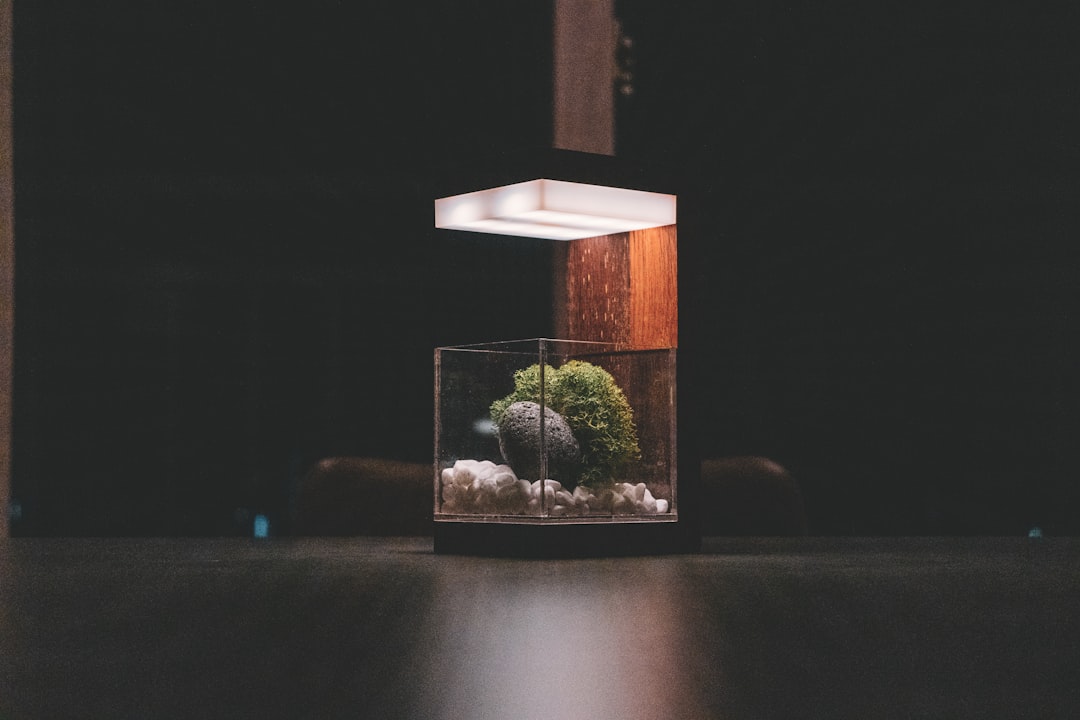
Keeping water pristine in a small reef tank demands efficient nutrient export, and choosing the best protein skimmer nano reef hobbyists can rely on makes all the difference. At Gensou Aquascaping, 5 Everton Park, Singapore, we have tested dozens of compact skimmers across nano builds ranging from 40 to 100 litres. A well-matched skimmer pulls dissolved organics before they break down into nitrate and phosphate, which is critical when water volume leaves almost no margin for error.
Why Nano Reefs Need a Dedicated Skimmer
Large reef systems tolerate a slight lag in nutrient export because sheer water volume dilutes waste. Nano tanks do not enjoy that buffer. A single feeding can spike dissolved organic carbon enough to trigger a cyano bloom overnight. Protein skimmers strip these compounds by injecting fine air bubbles into a reaction chamber, where organics cling to the bubble surface and rise into a collection cup as dark skimmate. For tanks under 100 litres, an oversized skimmer creates micro-bubbles that cloud the display, while an undersized unit simply cannot keep pace with bioload.
Key Features to Compare
Footprint matters most in nano setups. Internal skimmers that hang inside rear chambers of all-in-one tanks need to fit compartments as narrow as 8 cm. Look for a needle-wheel or mesh-wheel pump rated for the actual water volume, not the manufacturer’s optimistic maximum. Adjustable air intake is essential because Singapore’s humidity — often above 80 per cent — affects venturi draw. A skimmer that works perfectly in an air-conditioned room may under-perform in a warm HDB corridor.
Noise is another consideration. Compact DC-pump skimmers run quieter than AC models and allow speed adjustment, which helps dial in the ideal foam head.
Top Picks Under $200 SGD
The Aquamaxx WS-1 suits tanks up to 75 litres and fits chambers as small as 9 cm wide. It produces consistent dry skimmate once broken in and retails around $120 SGD on Shopee. For slightly larger setups, the Reef Octopus Classic 100-INT handles up to 100 litres and is widely available at Clementi and Serangoon North shops for roughly $150 SGD. Both use needle-wheel impellers that are easy to source replacement parts for.
Mid-Range Options Worth the Upgrade
Hobbyists willing to spend $200 to $350 SGD gain features like self-levelling cups, DC controllable pumps, and slimmer profiles. The Tunze Comline DOC 9001 is a favourite among Singapore reefers for its near-silent operation and tiny 6 cm footprint. Bubble Magus Curve A5 offers a larger body suited to AIO tanks with generous rear chambers, pulling heavy skimmate from well-stocked nano reefs. When comparing models in this range, pay attention to power consumption — a skimmer running 24/7 at 10 watts costs noticeably less than one drawing 18 watts over a year of use.
Sizing Your Skimmer Correctly
A common mistake is matching skimmer rating to tank volume one-to-one. Experienced reefers oversize by 50 per cent. A 60-litre nano with SPS corals and a pair of clownfish benefits from a skimmer rated for 90 litres. This headroom accounts for feeding, dosing, and the occasional bioload spike when adding new livestock. Conversely, going too large introduces excessive turbulence in a small sump chamber, which destabilises water level and produces inconsistent foam.
Break-In Period and Tuning Tips
Every new skimmer needs one to two weeks of break-in before it produces useful skimmate. During this period the pump body and reaction chamber accumulate a biofilm that helps bubbles form a stable foam column. Resist the urge to adjust settings daily. Once broken in, set the water level inside the skimmer body so that the foam line sits just below the neck of the collection cup. In Singapore’s warm ambient temperatures of 28 to 32 degrees Celsius, skimmers tend to run wetter because warmer water holds less dissolved gas; raising the cup slightly compensates for this.
Maintenance for Consistent Performance
Clean the collection cup weekly with warm tap water — detergent residue kills foam production. Every three months, soak the impeller and pump housing in a dilute citric acid solution for two hours to dissolve calcium deposits, a frequent problem in reef tanks maintained at alkalinity levels above 8 dKH. Replace worn impeller shafts annually; ceramic shafts cost under $15 SGD and prevent vibration noise from creeping back in.
Choosing Wisely for Your Setup
The best protein skimmer nano reef tanks can run is ultimately the one that fits your chamber, matches your bioload, and operates quietly enough for a living space. Prioritise models with easy-to-source parts in Singapore, adjustable air intake, and proven reliability among local reefers. A quality nano skimmer paired with regular water changes gives small reef tanks water clarity that rivals much larger systems.
Related Reading



