
Pipefish Care Guide: Doryrhamphus Species in Reef Aquariums
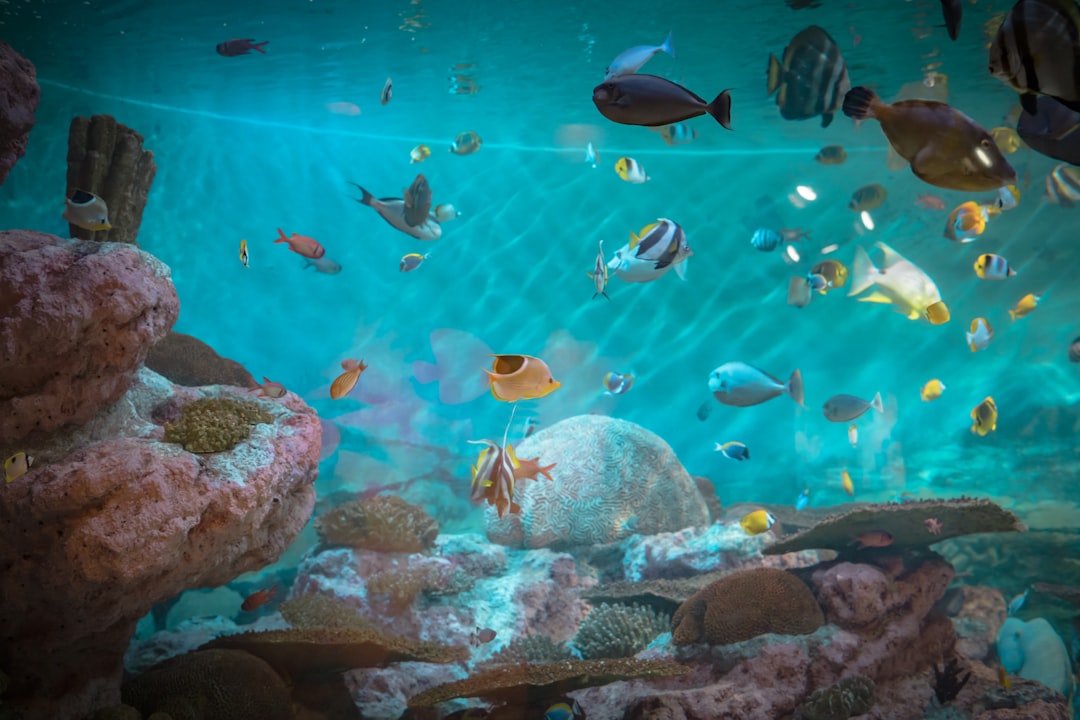
Slender, serpentine and utterly unlike any other reef fish, pipefish from the genus Doryrhamphus bring a touch of the extraordinary to marine aquariums. Related to seahorses and sharing their brood-pouch reproductive strategy, these delicate fish demand specific care that rewards the patient hobbyist with behaviour seen nowhere else in the reef hobby. This pipefish care guide reef article from Gensou Aquascaping at 5 Everton Park, Singapore covers the essentials for keeping these elegant syngnathids successfully.
Species Commonly Kept
Two Doryrhamphus species dominate the trade. The bluestripe pipefish (Doryrhamphus excisus) reaches 7 cm and sports horizontal blue stripes on an orange body with a vivid red-and-white banded tail. The janss’ pipefish (Doryrhamphus janssi) is slightly more robust, growing to 14 cm with a darker body and prominent banding. Both species occur naturally across the Indo-Pacific and are collected from reef caves and overhangs where they hover in small groups.
Tank Setup and Flow
Low to moderate water flow is critical. Strong currents exhaust pipefish quickly, as their tiny pectoral fins provide limited propulsion. Position powerheads to create gentle circulation rather than direct laminar flow across the tank. Provide caves, overhangs and sheltered areas using carefully arranged live rock. A minimum tank size of 80 litres suits a single pair, though larger volumes of 150 litres or more simplify flow management. Pipefish spend most of their time hovering near cave ceilings and vertical surfaces.
Water Parameters
Maintain salinity at 1.025 SG, temperature of 24-26 degrees C, pH of 8.1-8.4 and nitrate below 10 ppm. Pipefish are sensitive to water quality degradation, making regular water changes of 10-15 per cent weekly essential. Singapore’s tropical climate pushes temperatures above 28 degrees C without active cooling, which stresses these fish. A chiller maintaining 25 degrees C is a worthwhile investment for any serious pipefish keeper. Use RODI-filtered PUB tap water for all water changes and top-offs.
Feeding Challenges
Feeding is the greatest challenge and the primary reason pipefish fail in captivity. They have tiny mouths and feed exclusively by sucking in small live prey. Newly imported specimens require live enriched brine shrimp and copepods multiple times daily. Culturing your own amphipods, copepods and baby brine shrimp is virtually mandatory for long-term success. Some individuals gradually accept frozen cyclops and baby mysis delivered via pipette directly in front of their snouts, but this transition takes weeks of patient training.
A thriving refugium connected to the display tank provides a continuous supply of pods that enter the main system. Chaetomorpha or caulerpa algae in the refugium supports copepod breeding. Without this supplementary food source, maintaining pipefish long-term is extremely difficult.
Compatibility
Pipefish must be housed with only the most gentle tank mates. Aggressive, fast-feeding or boisterous fish will outcompete them for food and stress them into decline. Suitable companions include seahorses, dragonets, small gobies, firefish and clownfish in a separate territory. Avoid dottybacks, wrasses, hawkfish, damsels and any fish that might view the pipefish as prey. Cleaner shrimp and small hermit crabs are safe invertebrate companions.
Reef Safety
Pipefish are completely reef-safe. They pose zero threat to corals, clams or invertebrates. However, some anemones and large coral polyps can capture and consume a pipefish that drifts too close. Carpet anemones and large bubble-tip anemones are particular risks. Position corals with sweeper tentacles away from the pipefish’s preferred hovering zones. Gentle SPS-dominated reefs with plenty of cave structures represent the ideal pipefish habitat.
Breeding
Like seahorses, male pipefish carry eggs in a ventral brood pouch. A bonded pair will mate regularly, with the female depositing eggs into the male’s pouch during an elaborate vertical dance. Gestation lasts 10-14 days, after which miniature pipefish are released. Rearing the fry requires an intensive diet of newly hatched brine shrimp nauplii and rotifers in a separate rearing vessel with minimal flow. Successful captive breeding is achievable but demands significant dedication.
Purchasing Advice
Pipefish are not commonly stocked in Singapore but appear periodically at specialist marine shops and through online sellers for $25-$50 SGD. Choose specimens that are actively swimming rather than resting on the substrate, which may indicate exhaustion. A concave belly profile signals malnutrition and poor long-term survival odds. Ask the dealer to demonstrate feeding before purchase. Only buy pipefish you have seen eat, whether live or frozen food. This single precaution dramatically improves your chances of success.
Related Reading
- Blue Tang Care Guide: Paracanthurus Hepatus in Home Aquariums
- Freshwater Pipefish Care Guide: Doryichthys Species for Planted Tanks
- Sea Cucumber Care Guide: Sand-Sifting Detritivores for Reef Tanks
- Blue Acara Cichlid Care Guide: The Overlooked Gem
- Acei Cichlid Care Guide: The Peaceful Mbuna Exception



