
Sea Cucumber Care Guide: Sand-Sifting Detritivores for Reef Tanks
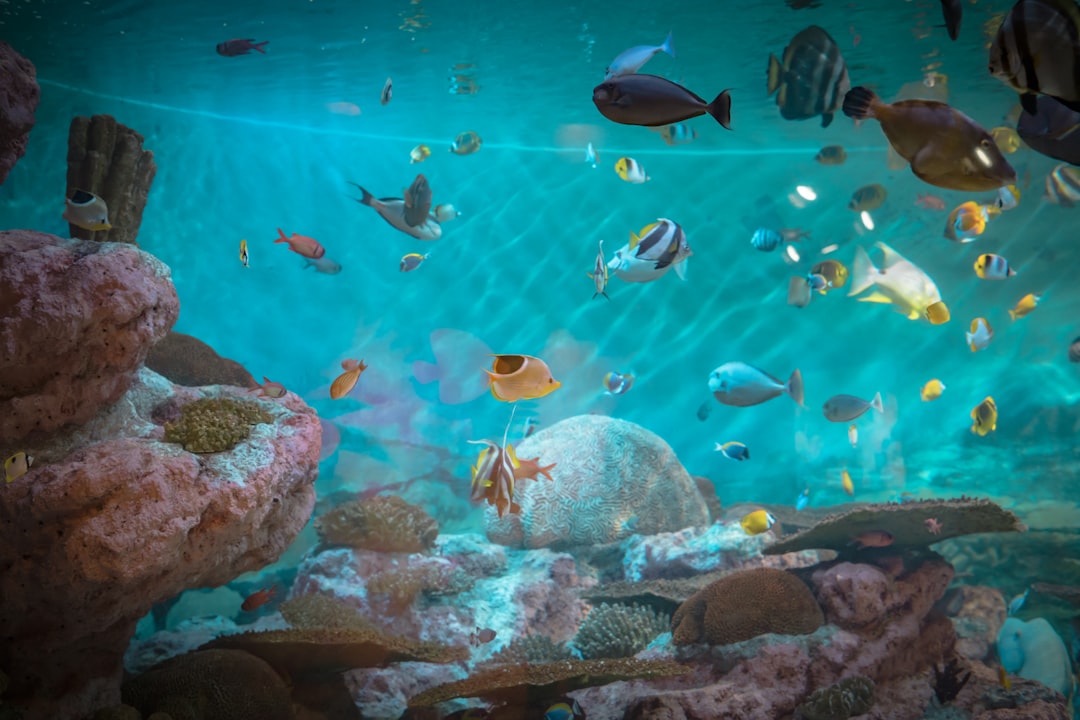
Sand-sifting sea cucumbers are the unsung heroes of reef substrate maintenance, processing sand grain by grain and extracting organic waste that other clean-up crew members miss entirely. For reef keepers committed to a pristine sand bed, few organisms match their efficiency. This sea cucumber care guide reef edition from Gensou Aquascaping at 5 Everton Park, Singapore addresses species selection, toxin risks and practical husbandry drawn from our 20-plus years of maintaining marine systems in Singapore’s tropical environment.
Species Selection Matters
Not all sea cucumbers belong in home reef tanks. Sand-sifting species from the genera Holothuria and Stichopus are generally suitable, including the popular tiger tail cucumber (Holothuria hilla) and the yellow sea cucumber (Colochirus robustus). Avoid large species like Thelenota ananas (prickly redfish), which grow too large for home systems and carry higher toxin risks. The filter-feeding sea apple (Pseudocolochirus), while beautiful, is notoriously fragile and can release lethal toxins when stressed. Stick with detritivorous sand-sifters for the safest experience.
Tank Size and Substrate Requirements
Sand-sifting sea cucumbers need a generous sand bed to sustain themselves. A minimum of 5 cm of fine aragonite sand across a tank of at least 150 litres is the starting point. Smaller tanks or shallow sand beds simply cannot produce enough microfauna and detritus to feed these animals long-term. The sand bed acts as both habitat and food source — the cucumber ingests sand, extracts organic matter and bacteria, and excretes clean grains. Crushed coral or coarse substrates are unsuitable and can damage the animal’s feeding apparatus.
Water Parameters and Stability
Reef-standard water quality is essential. Maintain specific gravity at 1.024-1.026, temperature at 24-27°C, pH of 8.1-8.4 and nitrates below 10 ppm. Sea cucumbers are sensitive to parameter swings, particularly salinity fluctuations from poorly mixed top-off water. In Singapore, where evaporation rates are high due to ambient temperatures of 28-32°C, an auto top-off system using RO/DI water prevents dangerous salinity creep between water changes. Copper exposure is fatal; never medicate a tank containing sea cucumbers with copper-based treatments.
The Toxin Question
Sea cucumbers produce holothurin, a saponin-based toxin, as a defence mechanism. When severely stressed, injured or dying, they can release this toxin into the water, potentially killing fish and invertebrates in enclosed aquarium volumes. The risk varies by species — small sand-sifters like Holothuria hilla carry far lower risk than large, colourful species. Mitigation strategies include running activated carbon continuously, maintaining a protein skimmer sized generously for your tank volume, and avoiding any situation where the cucumber could be sucked into a powerhead or overflow intake. Cover all pump intakes with foam pre-filters.
Feeding and Nutrition
In a mature reef with an established sand bed, a single sand-sifting cucumber often sustains itself without supplementation. The key word is mature — newly set-up tanks lack the microfaunal population these animals depend on. Wait at least six months after cycling before introducing a sea cucumber. If your sand bed appears depleted or the cucumber stops actively sifting, supplement by broadcasting a small amount of phytoplankton or finely powdered reef food onto the sand surface in the evening. Overfeeding fouls the water, so use a light hand.
Reef Compatibility
Sand-sifting sea cucumbers are entirely reef-safe, ignoring corals, clams and other sessile organisms. They coexist peacefully with fish, shrimp and other invertebrates. Predators are uncommon in typical reef setups, though certain triggerfish and large wrasses may harass them. Avoid housing sea cucumbers with aggressive tankmates that might nip at their exposed feeding tentacles. The real compatibility concern is the toxin risk to tankmates if the cucumber is harmed or dies unnoticed.
Maintenance and Observation
Monitor your sea cucumber regularly, even though it requires minimal direct care. A healthy specimen is plump, actively sifting and moving across the sand bed with visible feeding tentacles. Shrivelling, unusual stillness or the cucumber climbing high on the glass persistently can indicate poor conditions or starvation. During tank maintenance, work carefully around these slow-moving animals. Never lift them out of the water, as air exposure can cause internal organ expulsion (evisceration), a stress response that may prove fatal.
Purchasing in Singapore
Sand-sifting sea cucumbers are available at specialist marine shops, typically $15-35 SGD depending on species and size. Shops around Serangoon North and at C328 Clementi carry them sporadically. When selecting, choose active specimens that respond to touch by contracting slightly. Avoid animals with visible lesions, exposed internal organs or limp body walls. With patience, proper substrate and stable conditions, a sand-sifting sea cucumber will keep your sand bed immaculate for years.
Related Reading



