Child-Safe Aquarium Setup Guide: Kid-Proof Tanks for Family Homes
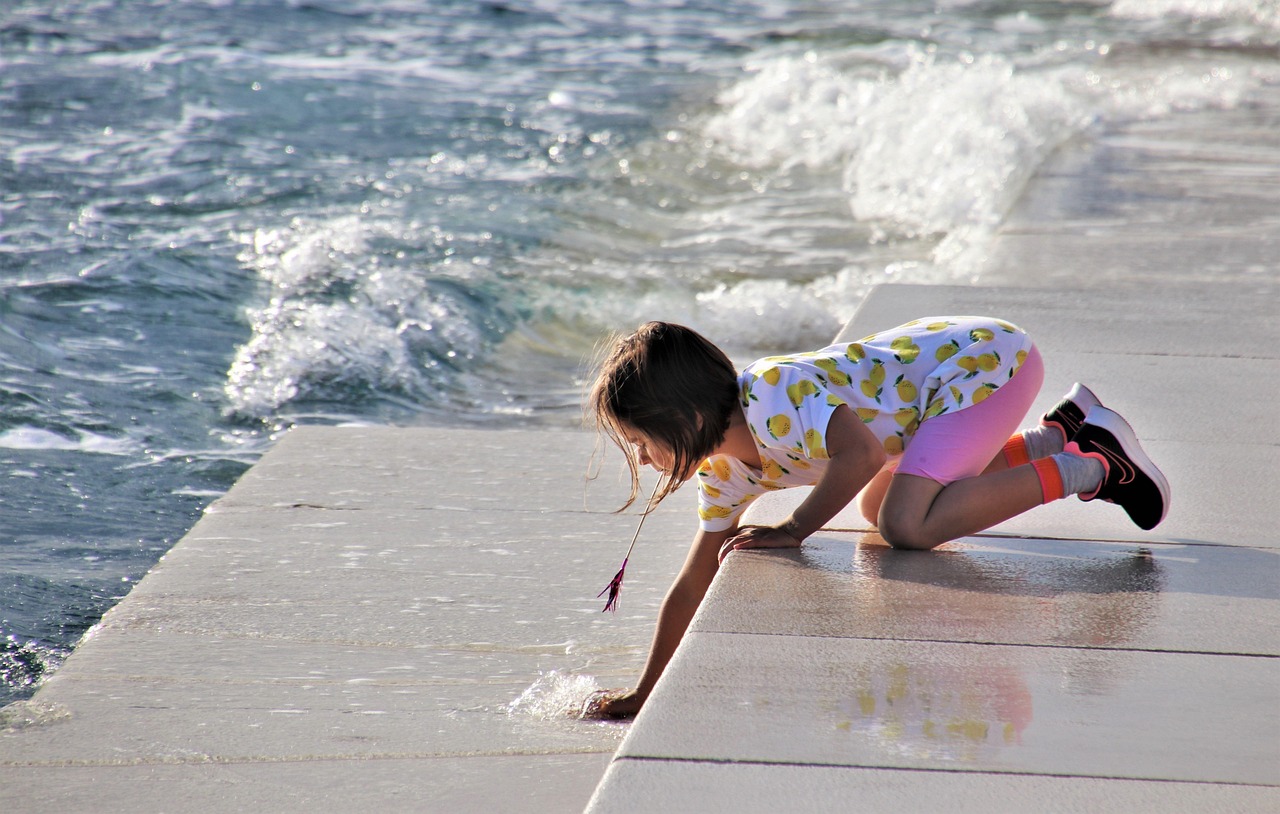
An aquarium can be one of the most rewarding educational tools in a family home — teaching children responsibility, biology, and patience. But small hands are curious, and what fascinates a child can also present hazards if the setup is not planned with safety in mind. This child-safe aquarium setup guide from Gensou Aquascaping at 5 Everton Park, Singapore helps parents create a tank that captivates young minds without compromising on safety for children or fish.
Choosing the Right Tank Size and Material
Avoid small, lightweight tanks that a toddler could pull off a surface. A 60-80 litre tank is ideal — large enough to maintain stable water parameters yet not so massive that it dominates a room. Opt for a tank made from tempered glass or, better still, acrylic. Acrylic is significantly lighter and more impact-resistant than standard float glass. While it scratches more easily, scratches are a minor cosmetic concern compared to the risk of shattered glass around young children.
Secure Placement and Stand Safety
Position the tank on a purpose-built stand with a wide, stable base. Bolt tall stands to the wall using anti-tip brackets — the same hardware used for securing bookshelves in earthquake-prone areas works perfectly. Never place a tank on furniture that a child could climb. Keep the setup away from the edge of elevated surfaces. In HDB flats and condos, a corner of the living room against a load-bearing wall offers both structural support and reduced foot traffic.
Electrical Safety
Water and electricity create obvious risks. Use a residual current device (RCD) on the socket powering all aquarium equipment — this trips the circuit in milliseconds if a fault occurs. Route cables through the back of the stand and secure them with cable ties so they cannot be pulled. Create drip loops on every cable between the tank and the power strip, ensuring water runs down and drips off the lowest point of the cable rather than travelling into the socket. Conceal power strips inside the stand cabinet, out of reach.
Lid and Access Control
A secure-fitting lid prevents children from reaching into the water or dropping objects into the tank. Glass canopy lids with a hinged feeding flap are sturdy enough to resist casual lifting by small hands. Avoid open-top rimless tanks in homes with children under six. If you prefer open-top aesthetics, add a clear acrylic sheet cut to fit as a temporary cover during the toddler years. Magnetic algae cleaners also keep curious fingers out of the water while making maintenance a spectator event children enjoy watching.
Safe Species Selection
Choose hardy, non-aggressive species that tolerate the occasional disturbance. Guppies, platies, and endlers are colourful, active, and practically indestructible. Corydoras catfish entertain children with their bottom-sifting antics. Nerite snails are fascinating to watch and cannot reproduce in freshwater, preventing population explosions. Avoid species with venomous spines or defensive mechanisms — certain catfish and marine lionfish pose genuine injury risks. Skip delicate species that require precise parameters, as family schedules sometimes delay maintenance.
Child-Friendly Maintenance Routines
Involve children in age-appropriate tasks. A five-year-old can sprinkle a measured amount of food into the tank once daily. Older children can help with water testing using liquid test kits — the colour-matching process appeals to their scientific curiosity. Supervise siphon work and never let children handle water conditioner or medication bottles. Use clearly labelled, child-resistant containers for all aquarium chemicals, stored on a high shelf or in a locked cabinet.
Avoiding Harmful Chemicals and Decorations
Some decorations marketed for aquariums contain paints or coatings that leach toxins. Purchase ornaments only from reputable aquarium suppliers. Avoid sharp-edged ceramic castles or resin figures with small detachable parts that pose choking hazards if removed from the tank. Natural hardscape — smooth river stones and driftwood — is safer and looks more attractive. Never use household cleaning products near an open tank; even aerosol spray from a nearby surface can contaminate the water.
Teaching Respect for Living Creatures
Set clear boundaries from the start. Explain that tapping the glass startles fish, just as a sudden loud noise startles people. Establish a rule that hands stay out of the water unless an adult is present. Frame the aquarium as a habitat, not a toy. Children who learn to observe rather than interfere develop genuine interest in aquatic life — many of the most dedicated hobbyists we meet at Gensou trace their passion back to a childhood tank in the family living room.
Related Reading