
Beginner Shrimp Tank Setup Guide: Your First Neocaridina Colony
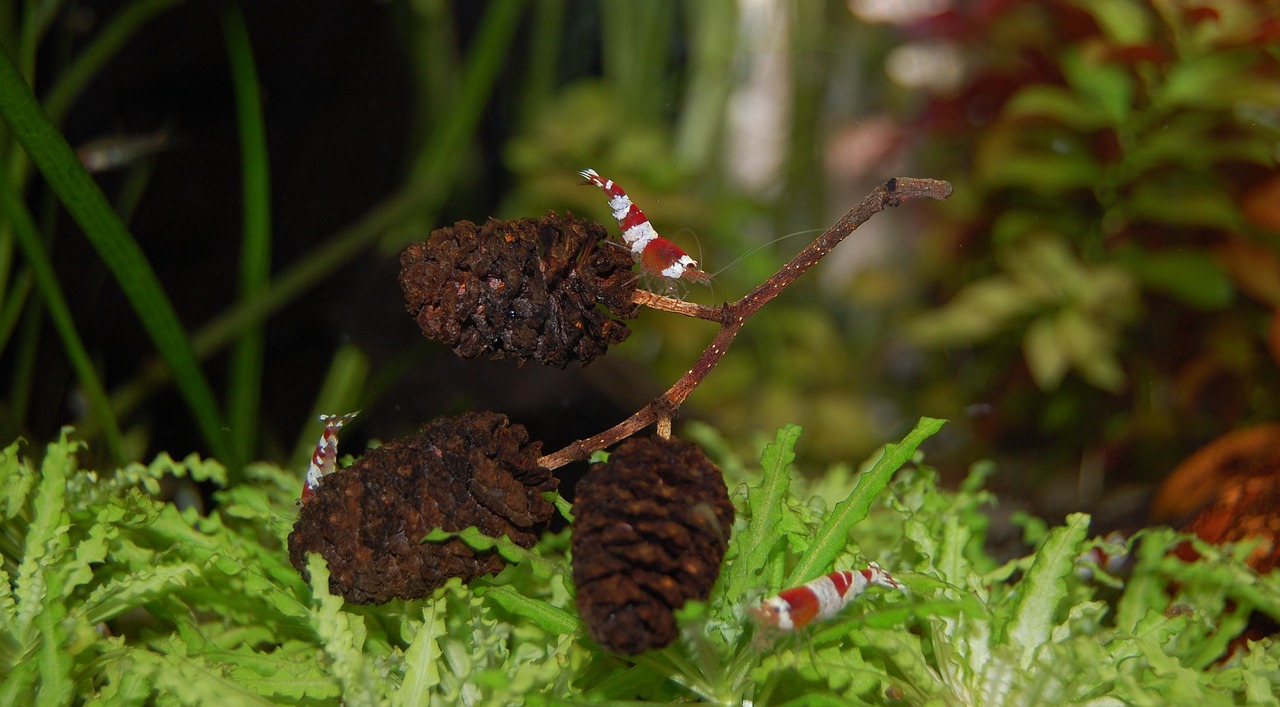
Neocaridina shrimp — cherry reds, orange sakuras, blue dreams — are among the hardiest freshwater invertebrates you can keep, making them an ideal first project. This beginner shrimp tank setup guide walks you through tank selection, cycling, planting and colony management with a focus on what works in Singapore’s climate and water conditions. At Gensou Aquascaping, 5 Everton Park, we have set up hundreds of shrimp tanks over more than 20 years, and the basics remain remarkably straightforward.
Tank Size
A 20–30 litre tank is the sweet spot for a starter colony. Smaller volumes are tempting but fluctuate in temperature and parameters too quickly for comfort. A 30 × 20 × 20 cm tank holds roughly 12 litres — workable, but a 40 × 25 × 25 cm tank at about 25 litres gives you a much larger margin for error. Rimless glass cubes or low-profile tanks with more floor space than height are preferred because shrimp spend most of their time grazing surfaces.
Filtration
A sponge filter is the gold standard for shrimp tanks. It provides biological filtration, gentle water flow, and a grazing surface covered in biofilm — essentially a 24-hour feeding station. Choose a sponge rated for your tank volume and pair it with a small air pump. If you prefer a hang-on-back filter, cover the intake with a fine stainless steel mesh or pre-filter sponge to prevent baby shrimp from being sucked in. Flow rate should be gentle; shrimp dislike strong currents.
Substrate
For neocaridina, inert substrates work perfectly. Fine gravel, sand, or a thin layer of aquasoil all suit these adaptable shrimp. If you plan to grow carpet plants alongside your colony, aquasoil (ADA Amazonia Light or Tropica Aquarium Soil) provides nutrients and a slightly acidic buffer. If the tank is shrimp-only, a dark-coloured sand makes cherry reds pop visually and is easy to maintain. Avoid crusite or coral sand — these raise GH and KH beyond what neocaridina prefer.
Water Parameters and Singapore Tap Water
Neocaridina tolerate a wide range: pH 6.5–8.0, GH 4–8, KH 2–6, temperature 20–28 °C. Singapore’s PUB tap water sits at GH 2–4 and pH around 7.0 after conditioning, which is slightly softer than ideal. Adding a small amount of mineral supplement — Salty Shrimp GH/KH+ or similar — brings GH up to 6 and provides the calcium and magnesium shrimp need for healthy moults. Dose during water changes, not directly into the tank. Always treat tap water with a conditioner that neutralises chloramine, the disinfectant used by PUB. Room temperature in most Singapore homes (28–31 °C) sits at the upper end of the neocaridina range; keep the tank away from direct sunlight and ensure airflow to avoid pushing past 32 °C.
Cycling the Tank
Never add shrimp to an uncycled tank. Ammonia and nitrite at any detectable level can kill a colony overnight. Set up the filter, substrate and hardscape, then dose liquid ammonia or add a pinch of fish food daily to feed the beneficial bacteria. After three to five weeks, when ammonia and nitrite both read zero and nitrate is present, the cycle is complete. Test with a liquid kit — API Freshwater Master Kit is widely available locally for around SGD 35 — not test strips, which are unreliable at low concentrations.
Plants for a Shrimp Tank
Plants improve water quality, provide grazing surfaces, and shelter baby shrimp. Java moss is the single best plant for a beginner shrimp tank setup guide recommendation — it grows in almost any condition, traps microorganisms for shrimplets to eat, and costs very little. Anubias nana ‘Petite’, Bucephalandra, and Java fern attach to hardscape and need no substrate. Subwassertang (round pellia) floats or sinks and creates dense cover. For a carpeted look, Micranthemum ‘Monte Carlo’ grows well under moderate light without CO2 injection.
Hardscape
Cholla wood is a favourite among shrimp keepers because it develops biofilm rapidly and its hollow structure provides hiding spots. Lava rock is inert, porous, and cheap. Dragon stone works well too. Avoid limestone or anything that raises pH significantly. A few pieces of Indian almond leaf (available at most local fish shops for a few dollars a bag) release tannins, mildly lower pH, and become a favourite grazing spot as they decompose.
Starting the Colony
Begin with 10–15 neocaridina of the same colour morph. Mixing colours produces wild-type brown offspring over generations. Drip-acclimate new shrimp for at least 45 minutes to match your tank’s temperature and TDS. Expect them to hide for the first two to three days — this is normal. Within a week, you should see them actively grazing on surfaces. A healthy colony in a cycled, planted tank doubles in population every two to three months.
Feeding
Shrimp are scavengers. In a well-planted, mature tank, biofilm and decaying plant matter cover most of their diet. Supplement two to three times per week with a small portion of shrimp-specific food — Shrimp King Complete, Glasgarten Bacter AE, or blanched vegetables like spinach and zucchini. Remove uneaten food after two hours to prevent water fouling. Overfeeding is the number-one killer in new shrimp setups.
Common Mistakes to Avoid
Skipping the cycle, topping up with untreated tap water, keeping the tank in direct afternoon sun, and overstocking are the errors we see most often at Gensou Aquascaping. Water changes should be small (10–15% weekly) and temperature-matched. Sudden parameter swings cause moult failures — the so-called “white ring of death” around the shrimp’s body. Consistency is more important than perfection.
A neocaridina shrimp tank is one of the most rewarding low-maintenance setups in the hobby. Follow this beginner shrimp tank setup guide, be patient with the cycle, and you will have a self-sustaining colony in no time. Visit us at 5 Everton Park for shrimp, plants and personalised advice.
Related Reading



