Best Shrimp Tank Substrates Compared: ADA, SL-Aqua and Brightwell
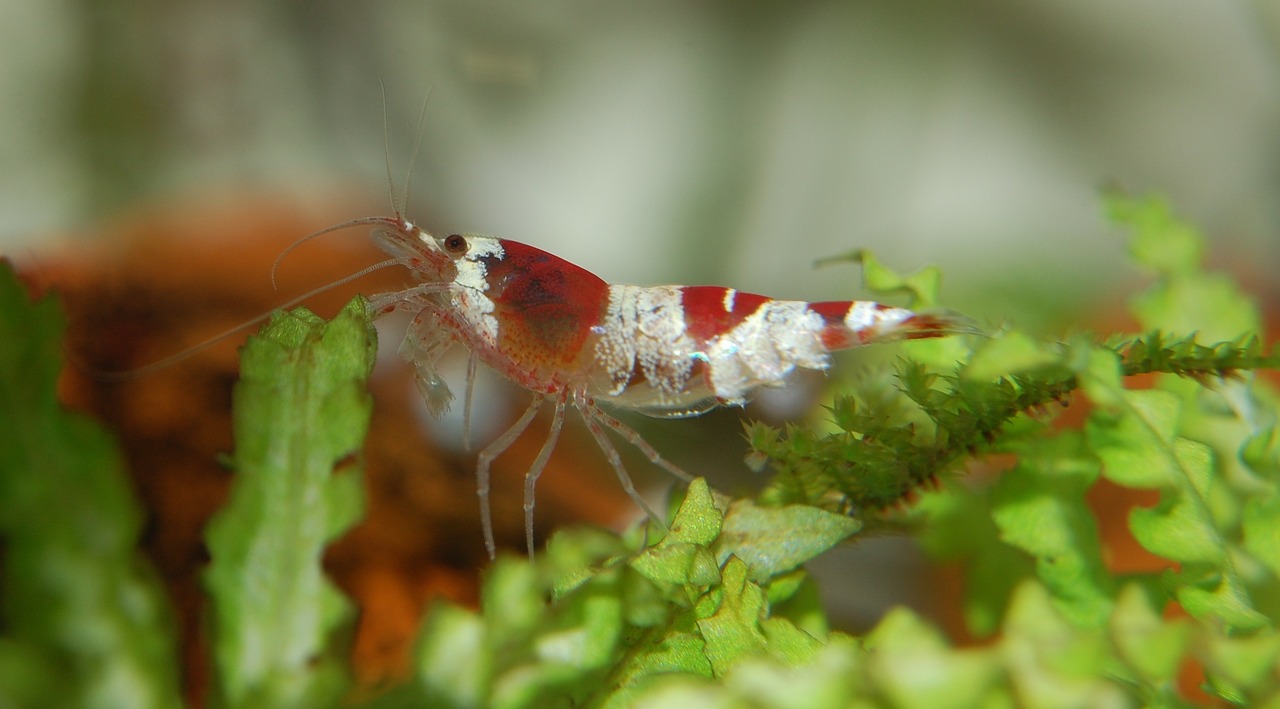
Choosing the best shrimp tank substrate is one of the most consequential decisions you will make when setting up a breeding colony. The right substrate buffers pH, provides beneficial bacteria a home and creates a natural foraging surface for your shrimp. At Gensou Aquascaping, 5 Everton Park, Singapore, we have tested dozens of substrates across our shrimp breeding racks and client builds. Three brands consistently outperform the rest: ADA Amazonia, SL-Aqua MORE Meat and Brightwell Aquatics FlorinVolcanit.
Why Substrate Matters for Shrimp
Active substrates lower and buffer pH, which is essential for Caridina species like Crystal Red Shrimp and Taiwan Bees that need pH 5.5-6.5. They also leach humic substances that promote biofilm growth, the primary food source for shrimplets. Inert substrates like sand and gravel do not buffer water and are better suited to Neocaridina species that tolerate a wider pH range. Singapore’s PUB tap water is soft (GH 2-4) with a neutral pH around 7.0-7.5, making active soil substrates particularly effective here since the low mineral content means less resistance to the buffering effect.
ADA Amazonia Version 2
The industry standard since its original release, ADA Amazonia Version 2 addresses many complaints about the first generation. It leaches fewer ammonia compounds during cycling, typically clearing within two to three weeks compared to four to six for the original. Granule size is uniform at roughly 2-3 mm, and the dark brown colour provides excellent contrast for colourful shrimp. pH buffering holds steady at 6.0-6.5 for approximately 12-18 months before exhaustion. A 9-litre bag retails for around SGD 45-55 in Singapore, enough for a standard 60 cm tank at 3-4 cm depth. The main drawback is that it still requires patience during cycling; do not add shrimp until ammonia and nitrite read zero.
SL-Aqua MORE Meat
Developed specifically for shrimp breeding, SL-Aqua MORE Meat is a Taiwanese substrate gaining popularity in Singapore’s shrimp community. It cycles faster than ADA Amazonia, often clearing within seven to ten days. The granules are slightly smaller at 1-2 mm, which some breeders prefer for shrimplet survival as tiny shrimp can forage between grains more easily. pH buffering targets 5.8-6.2, making it ideal for sensitive Caridina varieties. A 5-litre bag costs approximately SGD 35-42. Longevity is comparable to Amazonia at roughly 12-15 months. The darker, almost black colouration makes Crystal Red and Crystal Black shrimp truly pop against the substrate.
Brightwell Aquatics FlorinVolcanit
FlorinVolcanit takes a different approach as a porous volcanic substrate. It provides excellent biological filtration surface area and a mild buffering effect. The pH settles around 6.5-7.0, making it versatile for both Caridina and hardy Neocaridina colonies. It does not leach ammonia during cycling, so you can theoretically add shrimp sooner, though we still recommend a two-week fishless cycle for safety. Granule sizes range from 1-3 mm depending on the variant. Pricing sits around SGD 30-38 for a 5-litre bag. Its lighter brown colour is less dramatic than the Japanese and Taiwanese alternatives, but it is arguably the most forgiving substrate for beginners.
Head-to-Head Comparison
For serious Caridina breeders targeting Crystal Red, Crystal Black or Taiwan Bee shrimp, SL-Aqua MORE Meat offers the best combination of fast cycling, low pH buffering and fine grain size. ADA Amazonia Version 2 remains the top choice for planted shrimp tanks where you need robust plant growth alongside shrimp keeping, as its nutrient content supports root-feeding plants better than the alternatives. Brightwell FlorinVolcanit suits mixed community setups and Neocaridina keepers who want substrate buffering without the aggressive pH drop. All three substrates handle Singapore’s soft tap water well, though you will need to remineralise RO water with GH+ salts for Caridina regardless of which substrate you choose.
Substrate Depth and Layering
For a dedicated shrimp tank, a depth of 2-3 cm is sufficient. Deeper layers can develop anaerobic pockets that produce hydrogen sulphide, dangerous to shrimp. If you are also growing carpeting plants like Hemianthus callitrichoides, increase depth to 4-5 cm. A thin layer of substrate additive such as ADA Bacter 100 or Tourmaline BC sprinkled beneath the main substrate helps establish beneficial bacteria colonies faster. Never mix active substrates with alkaline hardscape like Seiryu stone in a Caridina tank, as the stone will fight the substrate’s buffering and exhaust it prematurely.
When to Replace Substrate
All active substrates have a finite buffering lifespan. When pH begins creeping above your target range despite no changes to your water source, the substrate is exhausted. Most breeders in Singapore find they need to replace or refresh substrate every 12-18 months. Partial replacement, swapping half the substrate at a time with a four-week gap, minimises disruption to an established colony. Alternatively, some hobbyists extend substrate life by supplementing with pH-lowering additives, though this adds ongoing cost. Testing pH weekly with a reliable kit helps you anticipate when replacement is due.
Our Recommendation
At Gensou Aquascaping, we most frequently recommend ADA Amazonia Version 2 for planted shrimp tanks and SL-Aqua MORE Meat for dedicated breeding setups. Both are readily available in Singapore and have proven track records. Choosing the best shrimp tank substrate depends on your specific goals, but you cannot go wrong with either of these two for Caridina species. Drop by our shop to see these substrates in use across our display tanks and breeding racks.
Related Reading