
Otocinclus Care Guide: Gentle Nano Algae Eaters for Planted Tanks
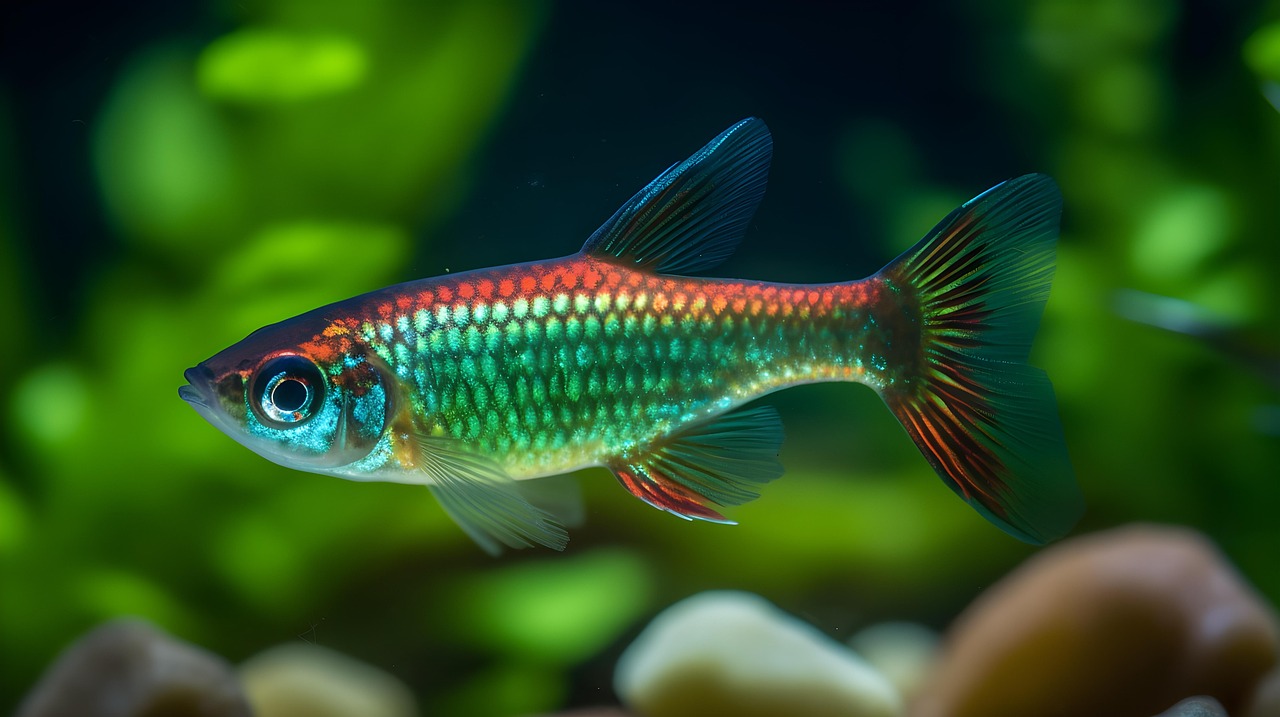
The humble otocinclus is one of the most effective algae eaters available for planted nano tanks, yet it remains one of the most misunderstood fish in the hobby. This otocinclus care guide draws on over twenty years of experience at Gensou Aquascaping, 5 Everton Park, Singapore, where we have kept and recommended these gentle catfish in countless client setups. Reaching only 3-4 cm, Otocinclus vittatus and Otocinclus cocama are peaceful, schooling fish that tirelessly graze soft algae without damaging delicate plant leaves.
Understanding the Species
The genus Otocinclus belongs to the family Loricariidae and includes over 20 described species. Most specimens sold in Singapore are O. vittatus, though the zebra otocinclus (O. cocama) appears occasionally at higher prices, typically SGD 8-12 each compared to SGD 3-5 for common otos. They originate from South American streams with moderate flow and abundant biofilm. Wild-caught specimens dominate the trade, which partly explains their reputation for fragility during the first few weeks in a new tank.
Tank Requirements
Otocinclus are social fish that should be kept in groups of six or more. A planted 40-litre tank is the minimum for a small group. They appreciate broad-leaved plants like Anubias barteri and Echinodorus species, which provide grazing surfaces. Smooth river stones and driftwood offer additional biofilm real estate. Filtration should be gentle to moderate; a sponge filter or small hang-on-back rated for 100-200 litres per hour works well. Strong currents exhaust these small fish. Ensure the tank is fully cycled and at least two to three months old before adding otos, as a mature tank provides the biofilm and soft algae they depend on.
Water Parameters in Singapore
PUB tap water dechlorinated with a chloramine-safe product gives you a starting pH of roughly 7.0-7.5 and GH of 2-4. Otocinclus thrive in pH 6.0-7.5, GH 3-10 and KH 2-8, so our local water suits them well with minimal adjustment. Temperature is the main consideration. Their ideal range is 22-26°C, but Singapore’s ambient temperatures regularly hit 29-31°C indoors. A clip-on fan can reduce water temperature by 2-3°C, and placing the tank away from windows receiving direct afternoon sun helps further. Aim to keep the water below 29°C for long-term health.
Diet and the Starvation Problem
This is the critical section of any otocinclus care guide. The most common cause of oto deaths in home aquaria is starvation. These fish graze constantly on biofilm, diatoms and soft green algae. In a clean, newly set-up tank, there simply is not enough food. Supplement with blanched courgette, cucumber or spinach weighed down with a plant weight. Repashy Soilent Green gel food is another excellent option that adheres to surfaces and mimics natural grazing. Feed supplemental foods every one to two days, removing uneaten portions after 12 hours to prevent water quality issues. A well-fed oto has a gently rounded belly; a concave belly is a warning sign that demands immediate intervention.
Ideal Tankmates
Otocinclus are among the most peaceful fish in the hobby. They coexist beautifully with small tetras, rasboras, Corydoras catfish and dwarf shrimp. Cherry shrimp (Neocaridina davidi) and otos share similar requirements and complement each other in a planted setup. Avoid housing otos with aggressive or territorial species like cichlids, large barbs or bettas. Their small size and docile nature make them easy targets for bullying, which causes chronic stress and shortened lifespans.
Algae Control Effectiveness
A group of six otocinclus can keep a 60-litre planted tank virtually free of soft green algae and diatoms. They are particularly effective during the diatom bloom phase that affects most new planted tanks between weeks two and eight. However, they do not eat black beard algae (BBA), green spot algae (GSA) or staghorn algae. For a comprehensive algae management strategy, pair them with Crossocheilus siamensis (Siamese algae eater) for BBA and nerite snails for GSA. In Singapore’s warm water, algae grows rapidly, making a diverse clean-up crew essential for planted tank maintenance.
Acclimatisation and Quarantine
Fresh shipments of otocinclus suffer high mortality due to collection and transport stress. When purchasing, inspect fish carefully at the shop. Reject any with sunken bellies, clamped fins or erratic swimming. Drip acclimatise over 45-60 minutes to match your tank’s parameters. A two-week quarantine in a separate tank with established biofilm reduces the risk of introducing parasites or disease to your main display. Losses during the first two weeks are unfortunately common, but survivors typically become hardy, long-lived fish with lifespans of three to five years.
Long-Term Success
The key to keeping otocinclus successfully in Singapore is preparation. Mature the tank before purchase, maintain temperatures below 29°C, stock in adequate groups and supplement their diet consistently. These are not fish you buy on impulse; they reward planning. At Gensou Aquascaping, we are happy to assess whether your planted tank is ready for otocinclus and recommend the right supplemental foods to keep them thriving. A well-maintained group of otos is one of the most charming and practical additions to any aquascape.
Related Reading



