Bathroom Aquarium Setup Guide Singapore: Humidity and Size Considerations
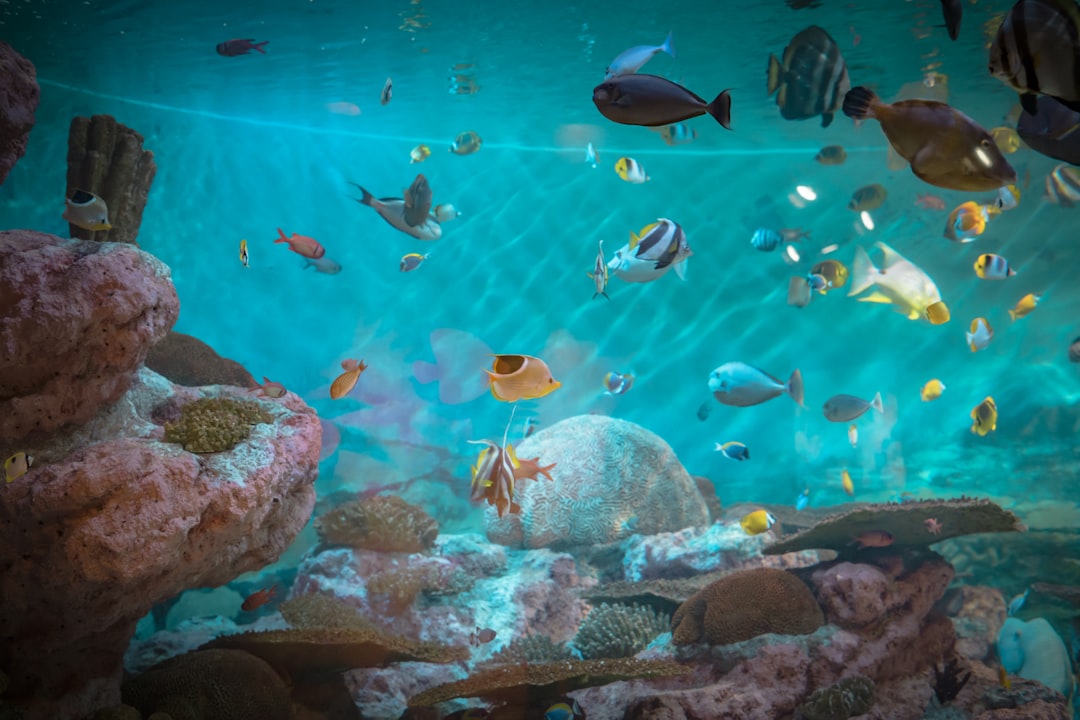
Placing an aquarium in a bathroom sounds bizarre until you see one done properly — the humidity already sits high, natural light often enters through frosted glass, and the space encourages daily quiet observation. This bathroom aquarium setup Singapore guide from Gensou Aquascaping Singapore at 5 Everton Park walks through the specific constraints that local bathrooms present, from ventilation fans and soap aerosols to HDB electrical limitations. A bathroom tank is unusual but entirely workable if you plan for the quirks of the space.
Why Bathrooms Are Harder Than You Think
Bathrooms concentrate the things that stress fish and equipment. Aerosolised shampoo and cleaning products settle onto the water surface. Steam from hot showers spikes tank temperature and humidity around electronics. Soap residues film the glass. None of these are dealbreakers, but each requires a design response.
Good news first — Singapore bathrooms rarely drop below 25 degrees Celsius at night, which removes any need for a heater. Ambient humidity means open-top tanks lose less water to evaporation than they would in an aircon bedroom.
Size and Placement
Stick to small to medium tanks. A 10 to 40 litre cube fits on a vanity shelf or a dedicated wall-mounted ledge without compromising the bathroom’s functional space. HDB bathrooms rarely exceed 3.5 square metres, so a 60 litre tank is already pushing against the available counter or floor area.
Place the tank away from the shower zone. The ideal spot is opposite the mirror on a dry counter, or on a wall shelf 1.5 metres or higher above the floor where splashing cannot reach. Never put a tank on the toilet tank or next to the basin where soap use is constant.
Electrical Safety
This is where bathroom tanks get serious. Singapore HDB bathrooms have limited 3-pin sockets, and the ones present are often shaver-only or protected by residual-current devices rated for hairdryer use. You cannot run tank equipment off those sockets safely.
Run a dedicated extension from a bedroom socket outside the bathroom, with the power strip placed outside the bathroom door and cables routed under the threshold with drip loops. All aquarium cords should form a drip loop — a downward dip in the cable before it reaches the socket — so any water travelling along the wire drips off before reaching electrics. Use waterproof socket covers on anything remaining exposed.
Ventilation and Contaminant Management
Keep the bathroom extractor fan running during and after showers. This pulls aerosolised products away from the tank surface. Running a tight-fitting glass lid on the tank, not the usual open-top aquascape style, dramatically reduces contamination.
Skim the water surface weekly. A surface skimmer attachment on a nano filter removes the oily film that inevitably builds up. Do a slightly larger weekly water change — 30 to 40 percent versus the standard 20 — to compensate for the higher background contaminant load.
Filtration Choice
Internal filters are the safest option because no hoses exit the tank. A small Eheim Pico, Sunsun HJ-111B, or similar $20 to $45 internal unit handles a 20 litre tank easily. Hang-on-back filters work but their back-plate sits close to the wall, which traps humidity and accelerates wall paint damage.
Canister filters are overkill for the tank sizes that fit in bathrooms and introduce hose-leak risks to already humidity-stressed electrics. Skip them.
Lighting Considerations
Small clip-on LEDs rated IP44 or higher are preferred — these tolerate splash exposure. A 15 to 25 watt LED running six hours daily suffices for a low-tech planted tank. Avoid the cheaper $12 Shopee clip lights that have no IP rating; their internal electronics corrode within months in bathroom humidity.
If the bathroom has a window, shield the tank from direct sun. Bathrooms in west-facing HDB blocks bake to 34 degrees Celsius in the afternoon, enough to kill most tropical fish in a sealed tank.
Fish and Plant Choices
Pick hardy species that tolerate small volumes and slight water parameter drift. Single male Betta splendens works beautifully in a 15 to 20 litre planted bathroom tank. Small schools of Boraras brigittae or Boraras maculatus suit 30 to 40 litre volumes. Shrimp colonies — Neocaridina in any colour — thrive because they graze the biofilm that bathroom humidity encourages.
Avoid scaleless fish like Corydoras juveniles and most loaches — they are more sensitive to product residues dissolving into the water. Robust plants like Anubias nana, Microsorum pteropus, and Bucephalandra handle the lighting levels and water fluctuations.
Maintenance Routine
Weekly maintenance takes longer than a bedroom tank of the same size because you are managing external contamination. Surface skim, wipe outside glass with a dry microfibre (never spray glass cleaner near the tank), change 30 percent water with aged or Prime-treated PUB tap, and check the drip loops and sockets for any moisture accumulation.
Every month, wipe down the back wall behind the tank with a dry cloth. Mould growth between the tank and the tile grout is the most common long-term issue in Singapore bathroom aquariums.
Related Reading
- Best Aquariums for HDB Flats
- Best Nano Aquariums Under 20 Litres
- Is Singapore Tap Water Safe for Aquariums?
- Dealing With Humidity Damage in Singapore Setups
Conclusion
A bathroom aquarium is a niche but viable placement in Singapore homes as long as you plan around electricals, contaminants, and tank size. Keep it small, seal the lid, manage the extractor fan, and choose hardy livestock that forgive the occasional parameter bump. Done right, the tank becomes an unexpected morning feature that makes a routine space feel a little more considered.