
Lyretail Anthias Care Guide: Keeping Pseudanthias squamipinnis in Reef Tanks
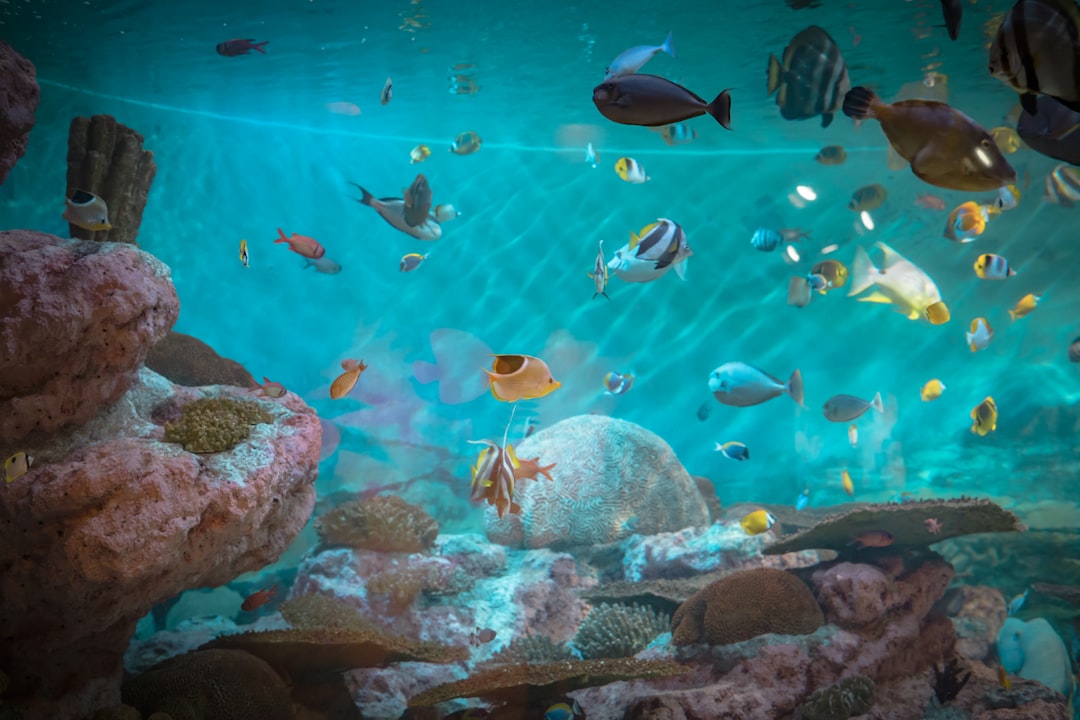
Few reef fish inject colour and movement into a display the way a harem of lyretail anthias does, with their sunset orange males and peach pink females drifting mid-water against blue SPS backdrops. This lyretail anthias care guide from Gensou Aquascaping at 5 Everton Park covers the realities of keeping Pseudanthias squamipinnis in a home-sized reef, where high-frequency feeding, stable flow, and a correctly balanced harem matter more than the initial acclimation. They are beautiful but not beginner fish, and most losses happen in the first three weeks.
Species Overview
The lyretail anthias grows to around 12-15cm for males and 8-10cm for females, which is the largest commonly imported anthias. Wild fish come primarily from the Red Sea, East Africa, and the Maldives, and the Red Sea variants are the most saturated in colour. Like all serranids in this genus, they are protogynous hermaphrodites: the dominant female in any group will transition to male over roughly 30-60 days if no male is present.
Lifespan in a well-run reef sits around 5-7 years, though aquarium records of 10 years exist for fish fed well and kept in cooler, stable water.
Tank Size and Aquascape
A harem of one male and three to five females needs 400 litres minimum, with 500-600L more comfortable. They are open-water fish and spend most of their time in the upper third of the tank, so horizontal swim length matters more than height. A 150cm x 60cm x 60cm display is a sensible minimum for a full harem.
Include a tall rockwork structure they can dart into when spooked. Anthias sleep tucked into caves and ledges, and a scape of unbroken open water with no retreat causes chronic stress and twitchy behaviour.
Water Parameters
Keep temperature between 24-26°C. Singapore ambient runs higher than this is comfortable for anthias, so a chiller is non-negotiable; we typically spec a 1/4 HP unit for a 500L display. Salinity 1.025-1.026, pH 8.1-8.4, alkalinity 8-9 dKH, and nitrate under 10 ppm keep colours saturated.
Dissolved oxygen is the hidden parameter. Anthias come from current-swept reef slopes with DO near saturation, and a skimmer plus moderate surface agitation is essential. A sluggish tank with a weak skimmer is the most common reason healthy-looking imports thin out within a month.
Feeding: The Real Challenge
This is where most anthias die. In the wild they are zooplankton feeders taking hundreds of small meals a day. At home they need a minimum of three feeds per day, and four or five is better. Each fish should fatten the belly with every feed without developing a hollow flank within hours.
Rotate mysis, enriched brine, calanus, and finely chopped raw prawn. A quality pellet like TDO Chroma Boost or Reef Roids soaked in Selcon bridges the gap on work days. An automatic feeder dispensing small pellet portions four times daily keeps bellies full while you are out.
Harem Structure and Aggression
Buy the harem together or in quick succession. Adding females weeks after a male has established territory usually leads to harassment. One male to four females is the practical sweet spot; one-to-six works in larger tanks, but two males in anything under 750L nearly always ends with the subdominant male battered or dead.
If you cannot source a colour-shifted male, buy five to six females and let the dominant one transition naturally. The transition is visible in the dorsal fin elongation and the flush of magenta along the flanks. It takes about six weeks.
Reef Compatibility
Lyretail anthias are fully reef safe. They ignore corals, clams, and invertebrates entirely. Their only indirect impact is heavy feeding increasing nutrient load, so an oversized skimmer and regular water changes are part of the package. A 15-20% weekly change on a 500L reef with a full anthias harem is reasonable.
Tankmates should be calm. Tangs, wrasses, and clownfish work well. Aggressive dottybacks, triggerfish, and large angels bully anthias off feeds and are the wrong pairing.
Sourcing in Singapore
Red Sea-sourced lyretails appear at Iwarna Aquafarm and occasionally at Aquarium Iwarna and Eastern Marine at prices ranging $80-150 SGD per female and $180-280 SGD for a mature super-male. Bali and Maldives imports cost less but carry slightly lower colour saturation.
Insist on seeing the fish eat before purchase. A lyretail that refuses pellet or mysis in the shop tank is unlikely to recover at home, and reputable shops around Pasir Ris and Clementi are happy to demonstrate feeding.
Quarantine and Acclimation
A two to three week observation period in a bare quarantine tank with live rock rubble and the same feeding schedule as your display catches uronema, brook, and velvet early. Copper at 2.0 ppm via Copper Power over 14 days is standard if parasites are suspected; anthias tolerate therapeutic copper well if feeding holds up.
Drip acclimate slowly over 90 minutes; these fish are sensitive to pH swings and shipping stress.
Related Reading
- First Marine Tank Checklist Singapore
- Reef Safe Fish List
- Marine Fish Quarantine Guide
- Protein Skimmer Sizing Guide
- Reef Tank Chiller Guide Singapore
Conclusion
Lyretail anthias reward commitment. Give them a 500L display with a strong chiller, feed four times a day, keep a balanced one-male harem, and they will turn an average SPS reef into a memorable one. Cut corners on feeding frequency or DO and the same fish will fade within a month. In Singapore the combination of frequent imports, well-equipped shops, and enthusiasts running Apex-controlled reefs makes this species more achievable than it used to be, provided you plan the husbandry before the purchase.

emilynakatani
Still Have Questions About Your Tank?
Drop by Gensou Aquascaping — most walk-in questions get answered in under 10 minutes by someone who has set up hundreds of tanks.
5 Everton Park #01-34B, Singapore 080005 · Open daily 11am – 8pm


