
Bartlett Anthias Care Guide: Peaceful Reef-Safe Schooling Fish
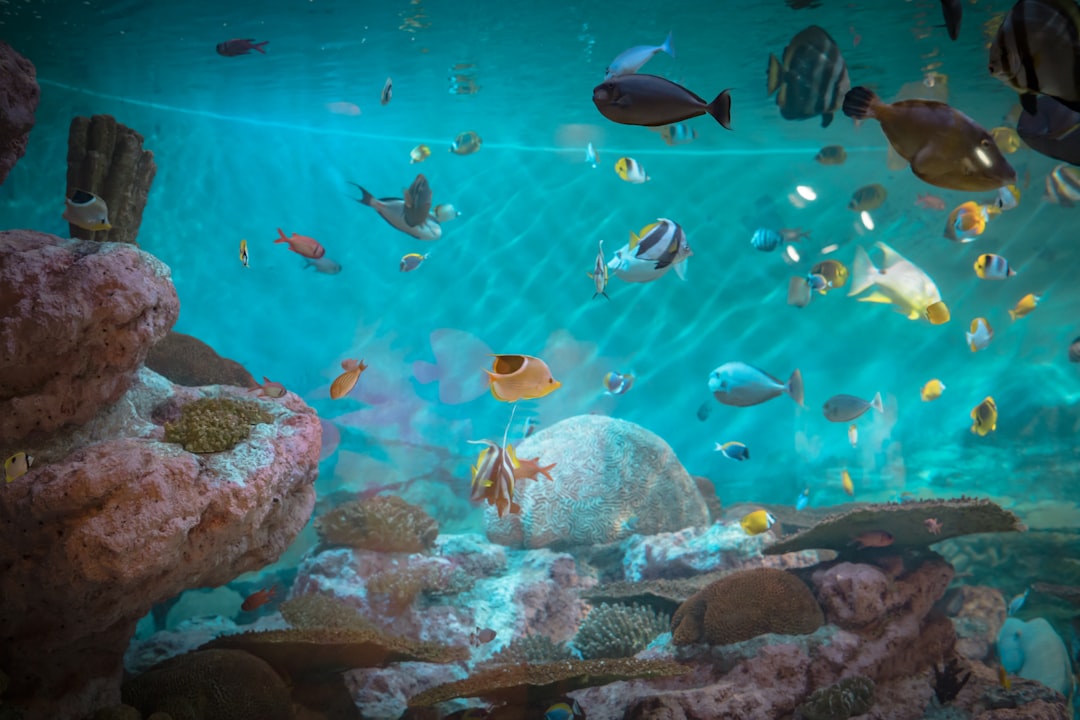
Bartlett anthias fill a niche that bigger, showier anthias cannot: they school tightly, remain peaceful in mixed reefs, and stay small enough for mid-size displays. This bartlett anthias care guide from Gensou Aquascaping at 5 Everton Park is written for reef keepers choosing their first anthias species, where temperament and long-term survivability matter more than maximum colour saturation. Pseudanthias bartlettorum is forgiving by anthias standards but still a mid-water planktivore with specific feeding demands.
Species Profile
Native to Micronesia and the Marshall Islands, bartlett anthias grow to around 9cm and display a yellow dorsal half over a purple-pink lower body, with a deeper rose flush on dominant males. The species is markedly less aggressive than lyretail or square anthias, which makes small groups viable in 300L reefs.
Like most anthias they are protogynous, and a mixed-sex group of five to seven will typically settle into one dominant male and a quiet female hierarchy within a few weeks of arrival.
Tank Size and Layout
A group of five fits a 300L display comfortably, and seven or more suits 400L and above. Horizontal swimming length of at least 120cm is important; these are open-water fish that pace the front glass when confined to shorter tanks. A 120cm x 50cm x 50cm build is the sensible starting footprint.
Rockwork should include overhangs and vertical cracks. Bartletts use them as threat-response refuges and sleeping slots. A flat bommie with no retreats keeps them on edge and reduces feeding confidence.
Water Conditions
Target 24-26°C. Singapore ambient room temperature above 28°C stresses bartletts faster than some other anthias, so a chiller is necessary year round. Salinity 1.025, pH 8.1-8.4, alkalinity 8-9 dKH, and nitrate under 10 ppm is the default.
Flow should be moderate and random rather than blast-tube linear; an MP40 or two Maxspect Gyres on alternating modes give the gentle gyre pattern that mimics reef edge conditions and keeps suspended food in range.
Feeding Schedule
Three feeds per day is the minimum for bartlett anthias, and four is better. Mysis, calanus, pellet, and enriched brine form the rotation. They accept pellet quickly compared to some anthias, which simplifies auto-feeder scheduling for working households.
Watch belly shape daily. A slim flank in the morning is normal; a slim flank at lights-out means they are not getting enough. Bump pellet portion or add a midday feed before you blame water parameters.
Peaceful Group Dynamics
This is where bartletts shine. Unlike lyretails, a properly sized group rarely produces lethal harassment between females. Males may display and tail-slap briefly during mating posturing, but injuries are uncommon. You can usually keep two males in a 500L build if there is enough visual break between territories, which is not possible with most other anthias species.
Group cohesion improves with numbers. Three fish in a big tank look nervous and skittish; seven behave confidently, feed well, and hold a tight school at mid-water.
Reef and Tankmate Compatibility
Fully reef-safe. They ignore all corals and inverts. Suitable companions include tangs, peaceful wrasses like flasher and fairy wrasses, fire gobies, firefish, and small angels like the flameback. Avoid large dottybacks, maroon clowns, and bully triggers.
They mix well with other anthias species if the tank is large enough. A 600L reef can carry a bartlett group and a small lyretail harem without trouble, provided feeding capacity keeps pace.
Buying and Quarantine in Singapore
Bartletts arrive periodically through Iwarna and Sea Apple Aquarium, typically $55-90 SGD per fish depending on size and origin. Marshall Islands imports tend to be stronger feeders than transhipped Fiji stock. Ask the shop when the shipment arrived; settling the fish in-store for three to five days significantly improves home survival.
Quarantine in a 60L bare tank with PVC shelters for 14-21 days. Prophylactic copper at 2.0 ppm plus a praziquantel course covers most parasite risks. Bartletts handle copper better than many planktivores if their feeding rate is maintained.
Long-Term Care
Expect 5-8 years in a well-run reef. Nutrient spikes show on anthias before corals, so weekly nitrate and phosphate testing catches problems early. A 15% weekly water change plus a correctly sized skimmer (rated for 1.5x your display volume) handles the nutrient load from high-frequency feeding.
Colour fades if feeding is inconsistent or lighting is too blue-heavy. Add a warm-white channel bump during mid-photoperiod to keep the yellow crest vivid.
Related Reading
- Lyretail Anthias Care Guide
- Reef Tank Flow Design Guide
- Marine Fish Quarantine Guide
- Auto Feeder Setup for Reef Tanks
- First Reef Tank Mistakes to Avoid
Conclusion
Bartlett anthias are the approachable entry into the genus. A group of five to seven in a 300-400L reef, fed three to four times a day and kept at 24-26°C, delivers the schooling movement and colour of a larger anthias display without the aggression headaches. Singapore availability is decent if you watch the shipment schedules, and the long-term success rate is high for keepers who respect the feeding demand.



