Dutch Aquascape Pruning Guide: Topping, Stem Rotation, Street Lines
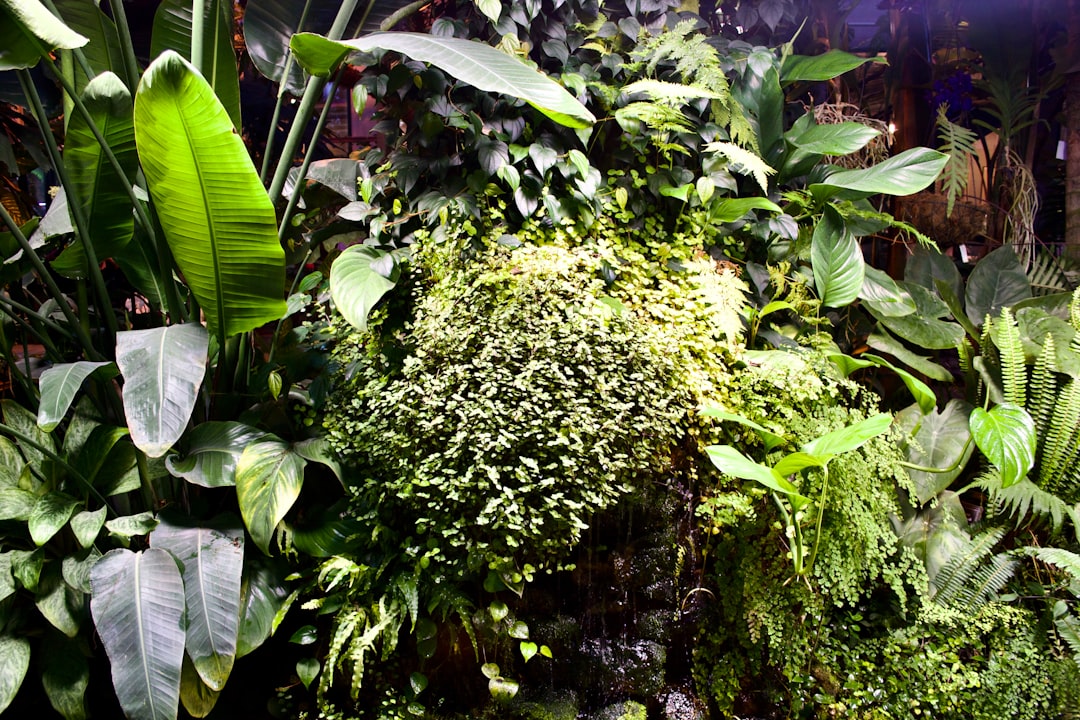
A Dutch-style tank is a garden, not a landscape. It rewards disciplined pruning the way a formal hedge does, and it punishes neglect faster than almost any other aquascaping style. This Dutch aquascape pruning guide from Gensou Aquascaping in Singapore covers topping technique, stem rotation, the critical street lines that separate plant groups, and the density work that makes a mature Dutch tank look intentional rather than overgrown. Tropical tank temperatures push stem growth fast, so pruning cadence here is tighter than European references. This guide sits inside our broader Aquascaping Styles Design Hub reference.
Quick Facts
- Topping: cut stems above a node, replant tops, discard old bases over time
- Stem rotation: refresh each group every 4 to 8 weeks based on growth rate
- Street lines: keep clean gaps of 2 to 4cm between plant groups
- Bush density: target full groups with minimal substrate visible through stems
- Contrast rule: alternate leaf size, colour and texture between adjacent groups
- Tools: long straight scissors, curved scissors, pinsettes 30cm
- Pace: expect pruning sessions every 7 to 10 days at full maturity
Topping and Replanting
Topping is the core Dutch technique. Cut a stem above a leaf node, replant the top into fresh substrate within the same group, and let the bottom rebranch. Over successive toppings, the group thickens into a tight, bushy mass. Discard the weakest original bases every third or fourth cycle, since their root systems decline and they start to hollow out the back of the group. A 30cm long straight pinsette reaches deep into the group without disturbing neighbouring streets.
Stem Rotation Cadence
Fast species like Rotala rotundifolia, Ludwigia, and Pogostemon erectus rotate every 4 to 6 weeks. Slower reds and specialist species such as Alternanthera reineckii mini or Ludwigia super red rotate closer to 6 to 8 weeks. Plan rotations so no more than one or two groups are reset at the same time. Resetting multiple groups together strips the tank of visual mass and lets algae colonise the opened substrate.
Street Lines
Streets are the narrow paths of substrate between plant groups that define Dutch composition. A clean street reads 2 to 4cm wide, with crisp edges where one group ends and the next begins. Letting streets close up blurs the visual separation between groups and removes the signature ordered look. During every pruning session, run your finger along the substrate line and cut or tuck stems crossing into the street.
Building Bush Density
Density comes from repeated topping rather than planting more stems upfront. Each top-and-replant increases branching at the node below the cut, and a group that started with 10 stems can carry 40 branches after three rotations. Do not rush density by overplanting; packed groups without strong roots melt from the centre under tropical heat. Let the group build over two months.
Contrast and Grouping
Dutch layouts live on contrast. Place a fine-leaved green like Pogostemon helferi next to a broad red like Alternanthera reineckii, then transition to a mid-height mid-green such as Ludwigia arcuata. During pruning, maintain the height differential across adjacent groups; stepping down cleanly from back to front is a hallmark of a strong Dutch tank. Trim the front group lowest and let each successive group behind stand 3 to 6cm taller.
Red Plant Management
Reds demand higher light and iron dosing but respond poorly to aggressive trimming. Cut reds more conservatively than greens, and always top rather than prune back into brown wood. Ludwigia super red, Rotala macrandra, and Ammania gracilis all benefit from a gradual stepping approach: top every two weeks, replant the tops, and let the previous top’s offshoots build the bush over time.
Tools and Post-Prune Care
Invest in sharp, clean scissors. Dull scissors crush stems and invite rot at the cut. After each session, siphon floating trimmings during a 30 to 50 percent water change. Keep CO2 steady through the pruning cycle and drop photoperiod by one hour in the 48 hours following a major trim to let the remaining leaves adapt before pushing them to full light intensity again.
Related Reading
Sharpen your Dutch pruning skill with these deeper species-level trim guides.