
Fry Food Progression First Month Guide: Infusoria to Micro Pellets
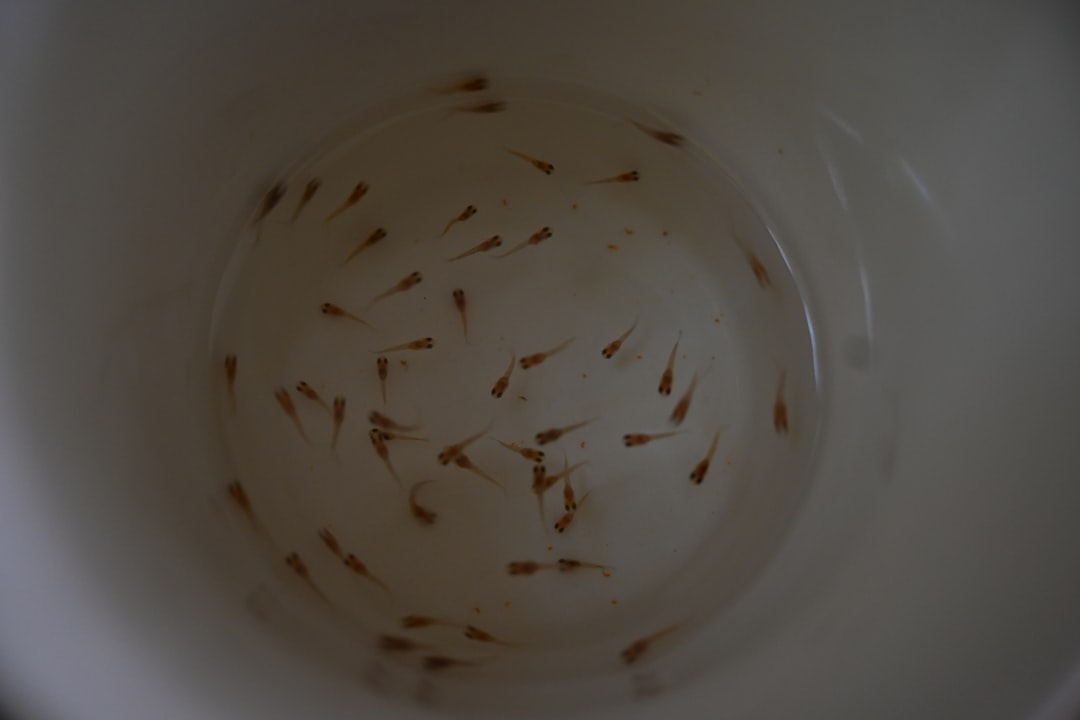
Fry starve most often in week one, not because food is missing but because the food is the wrong size. A newly-hatched tetra or betta has a gape of under 150 microns, small enough that a baby brine shrimp nauplius looks like a large meal. This fry food progression first month guide from Gensou Aquascaping at 5 Everton Park walks through the four food stages most tropical species need from free-swimming day to week four, covers culturing logistics and explains why Singapore climate gives you an advantage on live cultures.
Quick Facts
- Day 1-4: infusoria (paramecium, 50-150 micron), green water acceptable alternative
- Day 3-7: vinegar eels (50 micron diameter, 1-2 mm length)
- Day 5-21: newly hatched baby brine shrimp (450 micron), microworms as alternative
- Day 14 onwards: powdered egg yolk, crushed flake, decapsulated brine shrimp eggs
- Day 21-30: micro pellets (Hikari First Bites, Sera Micron, golden pearls 100-300 micron)
- Feed 4-6 times daily for first two weeks, 3 times daily weeks three and four
- Water changes: 10-20 per cent daily from day 3 to prevent ammonia damage
Why Gape Size Decides Everything
A fry’s first meal must fit in its mouth with room to swallow. Typical first-food gapes: betta 150 microns, tetra 180 microns, corydoras 400 microns, angelfish 250 microns, guppy 600 microns. Baby brine shrimp are 450 microns, which excludes most egg-scatter species on day one. Infusoria and vinegar eels bridge that gap. Get this wrong and fry crowd food they cannot eat while slowly wasting; the keeper assumes they are fed because the tank looks busy.
Infusoria and Green Water
Infusoria is a catch-all term for tiny single-celled organisms, principally Paramecium and various ciliates. Culture is simple: fill a jar with tank water, add a blanched lettuce leaf or a small piece of banana skin, leave it in indirect light for four to six days. The water clouds, then clears as paramecium populations peak. Siphon the clear middle layer into the fry tank twice daily. Green water is the phytoplankton equivalent, useful as food for paramecium and directly edible by many fry.
Vinegar Eels
Vinegar eels, Turbatrix aceti, are tiny nematodes that live in apple cider vinegar diluted 50:50 with water and a slice of apple. They breed for months on end without crashing, are constantly in motion (which triggers fry feeding response) and are small enough for betta, killifish and rasbora fry. Start a culture three weeks before you need food; harvest by floating a plug of tissue paper on the surface and rinsing. Culturing in Singapore rooms at 26-30 degC produces a denser yield than temperate climates.
Microworms and Banana Worms
Microworms, Panagrellus redivivus, grow in a bread-and-yeast culture kept at room temperature. They accumulate on the sides of a plastic tub within four days of starting a culture. Scrape them off with a cotton bud and rinse into the tank. Banana worms are smaller than microworms and useful as an intermediate step between vinegar eels and microworms. Both keep for weeks with fresh bread slurry added every four or five days.
Baby Brine Shrimp
Baby brine shrimp nauplii, from Artemia eggs, are the gold standard first live food for most species by day five to seven. Hatch in a 2 litre bottle with 30 g non-iodised salt, strong aeration, 26-28 degC, and eggs hatch within 24 hours. Harvest by turning off the airstone, letting shells float, and siphoning the orange cloud of nauplii from the bottom. Rinse through a fine brine shrimp net before feeding to remove salt. A Singapore room sits squarely in the ideal hatching temperature without a heater.
Decapsulated Brine Shrimp and Egg Yolk
Decapsulated brine shrimp eggs are the shelled eggs with the outer shell chemically removed. They sink, do not hatch, and can be fed directly without culture setup. Useful as backup when hatcheries fail. Hard-boiled egg yolk squeezed through muslin produces a fine yellow dust that many fry eat eagerly; downside is it fouls water fast, so feed tiny pinches and siphon residue within an hour.
Transitioning to Dry Foods
By day 14-21, introduce powdered dry foods alongside live. Hikari First Bites and Sera Micron are the common Singapore options, both sold at C328 and Thomson shops at $8-14 per small tub. Golden pearls in graded sizes (100-300 micron, 300-500 micron) suit marine fry and are stocked by specialist marine shops. Use the smallest size at first and scale up with fry growth. A month-old fry typically accepts standard crushed flake.
Water Quality and Feeding Frequency
Fry need frequent small meals because their stomachs are tiny and metabolism is fast. Four to six feeds per day is normal in weeks one and two. That loads organics into the water, so daily 10-20 per cent changes with matched-temperature dechlorinated water are not optional. A sponge filter with gentle airflow is enough; canister intakes suck up fry. Watch for dead fry each morning and siphon them out with a turkey baster.
Singapore Practicalities
Ambient warmth is an advantage. Brine shrimp and microworm cultures run faster than in temperate climates, often halving turnover time. Vinegar eel cultures need covering tightly because Singapore fruit flies will find an open container within days. Buy decapsulated brine shrimp eggs and First Bites in advance; stock shortages at local shops are common after breeding-season posts on local hobbyist forums. Keep hatchery salt in a sealed plastic bin; humidity turns bags rock-solid within weeks.
Related Reading



