
Centropyge Flame Angel Care: Dwarf Marine Angelfish
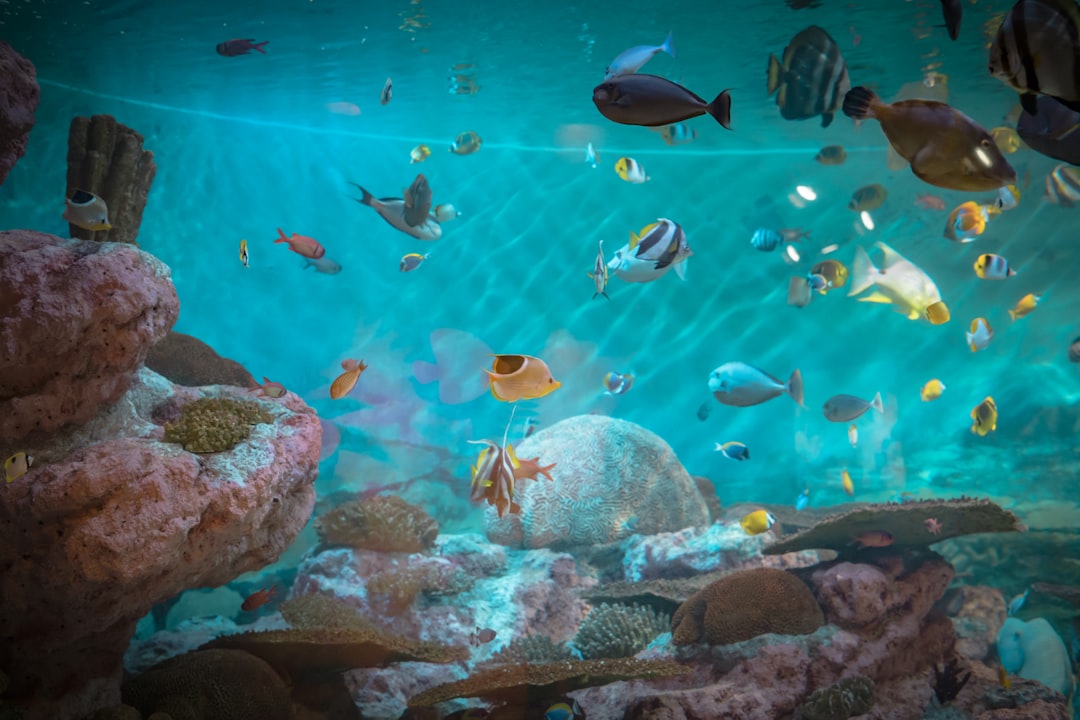
Centropyge loricula is the scarlet jewel of the dwarf angelfish world and a staple of established reefs across Singapore. This centropyge flame angel care guide from Gensou Aquascaping at 5 Everton Park covers the realistic tank size, the sponge-based diet supplementation these angels benefit from, and the per-fish coral-nipping risk assessment that every reefkeeper should make before adding one. Dwarf angels are not fully reef safe, but most flame angels behave well in tanks with plenty of grazing opportunity.
Quick Facts
- Scientific name: Centropyge loricula
- Adult size: 10cm
- Minimum tank: 220 litres (60 gallons), 1.2m length
- Temperament: semi-aggressive, territorial with other dwarf angels
- Reef safe: with caution, individual behaviour varies
- Diet: omnivore with sponge and algae component
- Lifespan: 10-15 years
Tank Size Beyond the Listed Minimum
Most sources quote 30 gallons as the minimum. Twenty years of reef experience in Singapore says 60 gallons is closer to the realistic floor. Flame angels cruise complex rockwork constantly and a nano tank causes stress and chronic coral nipping that would not appear in larger systems.
A 4ft 220 litre reef with mature live rock gives the flame angel enough grazing territory to satisfy its appetite without repeatedly targeting the same frags.
Sponge in the Diet
Wild Centropyge angels eat a meaningful fraction of sponge matter alongside algae and detritus. Captive diets lacking sponge contribute to colour fade and HLLE over time. Ocean Nutrition Formula Two, LRS Reef Frenzy (contains sponge), and Rod’s Food Original all provide sponge content.
Feed two to three times a day with a mix of herbivore pellet, frozen mysis, a sponge-based product and occasional spirulina brine. Nori clipped twice a week supplements but does not replace the sponge component.
Reef Compatibility Reality
No dwarf angel is fully reef safe. Flame angels sit in the middle of the risk spectrum: better than coral beauties, worse than interruptus or potter’s. Individual behaviour varies more than species reputation. Some flame angels ignore all corals, others nip Zoanthids, clam mantles and LPS polyps.
Feed heavily, keep the tank mature with lots of film algae, and you reduce risk substantially. A hungry flame angel in a sterile new tank is the worst-case scenario for corals.
Tank Mates
One flame angel per tank. Do not mix with other Centropyge species under 600 litres. Compatible mates include clownfish, gobies, blennies, firefish, cardinals, wrasses (not aggressive species) and tangs in larger systems.
Avoid aggressive dottybacks, triggers and puffers. These fish either bully the flame angel to hiding or kill it outright. Introduce the flame angel before any potentially aggressive addition.
Water Parameters
Temperature 25-26 degrees C, salinity 1.025, alkalinity 8-9 dKH, pH 8.1-8.3. Keep nitrate below 10 ppm and phosphate below 0.08 ppm. Flame angels show HLLE at chronic nutrients, just like tangs.
A Singapore HDB reef without a chiller will push temperatures toward 29 degrees C in afternoons. Flame angels survive this but colour and activity suffer, and the fish becomes more prone to ich outbreaks.
Quarantine
Dwarf angels tolerate copper at the lower therapeutic range (1.5-2.0 ppm) but not at powder blue tang levels. Run 30 days of copper in quarantine, then observe for 7-14 more days before display introduction.
Internal parasites from the Philippine and Cebu collection are common. A 7-day metronidazole course during quarantine pays off in long-term feeding behaviour and colour retention.
Sex and Social Structure
Flame angels are protogynous hermaphrodites. They live in harems in the wild, with one dominant male and several females. In captivity, most keepers maintain single specimens. Pairs or trios are possible in 600 litre or larger systems, with the largest fish becoming male.
Aquacultured Biota flame angels are now available and adapt to captive diets faster than wild stock. Price premium is justified by better survival and less coral nipping tendency.
Disease Watch
Ich and velvet both present within the first month of introduction if quarantine was skipped. HLLE appears over months at elevated nitrate. Internal parasites cause gradual weight loss despite apparent normal eating, treat with metronidazole-soaked food for 10 days.
The species is generally hardy once settled. Most flame angels that survive the first 90 days live a decade or more.
Sourcing in Singapore
Flame angels are common imports from Christmas Island, Marshall Islands and Vanuatu. Prices range 180-380 SGD depending on origin and size. Christmas Island collection typically shows richer red colour than Philippine collection and commands a premium.
Iwarna Aquafarm, Aquarium Artist and most Pasir Ris Farmway shops carry them. Ask to see the fish eating frozen food, inspect for HLLE pits around the eyes, and avoid fish that refuse food in the shop.
Related Reading
Flame Angelfish Reef Care
Coral Beauty Angelfish Care
How to Quarantine Marine Fish
Marine Ich Treatment
How to Choose Marine Fish
If the fiery colour of the marine flame angel appeals to you but you keep freshwater tanks, our flame tetra care guide covers a vivid red-orange community fish.



