
Coral Beauty Angelfish Care Guide: Reef Compatible Dwarf
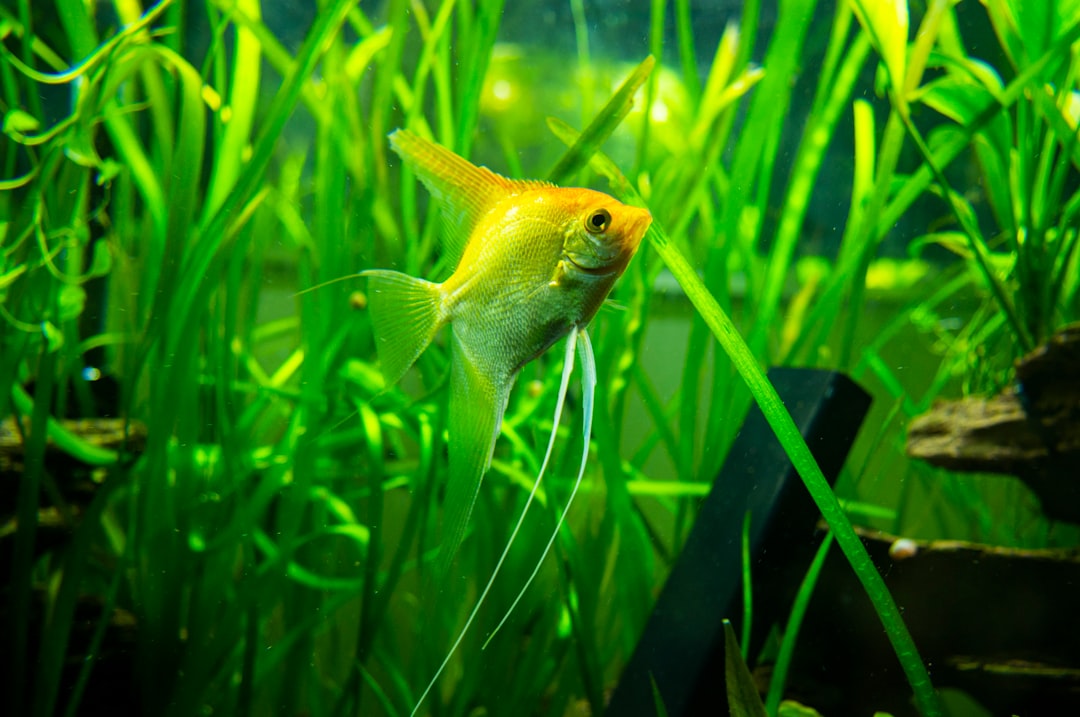
Among dwarf angels, Centropyge bispinosa is the entry-level favourite: hardy, widely available and priced within reach of first-time saltwater keepers. This coral beauty angelfish care guide from Gensou Aquascaping at 5 Everton Park covers the realistic tank size, diet, and the reef safety caveats that every buyer should consider. The coral beauty is slightly more coral-nipping prone than the flame angel but generally a reliable centrepiece fish for small Singapore reefs.
Quick Facts
- Scientific name: Centropyge bispinosa
- Adult size: 10-12cm
- Minimum tank: 200 litres (55 gallons), 1.2m length
- Temperament: semi-aggressive, territorial in small tanks
- Reef safe: with caution, higher risk than flame angel
- Diet: omnivore with algae and sponge component
- Lifespan: 10-15 years
Species Overview
Coral beauties show a deep royal blue body with orange-red flanks, though colour varies widely by collection zone. Philippine and Fijian stock often show duller colour, while Marshall Islands and Christmas Island collection produce the most vibrant specimens. Adult size caps at 12cm, making this one of the larger Centropyge species.
The fish is found across a huge Indo-Pacific range and is one of the most commonly imported dwarf angels into Singapore. This also means variable quality depending on source.
Tank Size Considerations
A 4ft 200 litre minimum is the realistic floor. Coral beauties are more active than flame angels and patrol rockwork constantly. In a 30 gallon nano the fish shows chronic stress signs and becomes more prone to coral nipping.
Complex aquascape with caves and overhangs suits this species better than open rockwork. The fish uses caves both as refuge and as hunting territory for crustacean bites and algae grazing.
Diet and Feeding
Omnivorous with strong algae preference. Feed two to three times daily with herbivore pellet, mysis, LRS Reef Frenzy (sponge content), Rod’s Food and occasional spirulina brine. Nori clipped twice weekly supplements the diet but should not dominate.
Sponge content in the diet matters for long-term colour and immune function. Formula Two pellets, LRS and Rod’s all contain sponge matter. Feeding mostly mysis and brine without this supplementation leads to colour fade after the first year.
Reef Compatibility Caveats
Individual behaviour varies enormously. Roughly 60 percent of coral beauties ignore corals, 30 percent nip Zoanthids and clam mantles occasionally, and 10 percent become serious coral eaters that must be removed. There is no way to predict which category a given fish falls into before purchase.
Feed heavily, keep the tank mature with abundant film algae, and you minimise risk. A newly cycled tank with sparse rock and no algae growth is the scenario most likely to produce a coral-nipping coral beauty.
Tank Mates
One coral beauty per tank. Do not mix with other Centropyge species under 500 litres. Good companions include clownfish, wrasses, gobies, blennies, firefish and cardinals. Add the coral beauty before any aggressive dottyback or larger fish.
Avoid aggressive damsels, puffers and triggers. Even a small tang can bully a coral beauty in a shared 300 litre tank, so introduce the angel first if tangs are planned.
Water Parameters
Temperature 25-26 degrees C (chiller recommended in Singapore HDB conditions), salinity 1.025, alkalinity 8-9 dKH, pH 8.1-8.3. Nitrate below 10 ppm, phosphate below 0.08 ppm. Coral beauties tolerate slightly higher nutrients than tangs but show HLLE at chronic elevations.
Quarantine Protocol
Copper quarantine at 1.5-2.0 ppm for 30 days. Dwarf angels tolerate copper less well than tangs, so stay at the lower therapeutic end and monitor closely. Combine with a 7-day metronidazole course mid-quarantine to address internal parasites common in wild-collected stock.
Feed heavily during quarantine. Coral beauties that refuse food in quarantine rarely thrive in the display. Check the shop specimen is eating frozen food before purchase.
Aquacultured vs Wild
Biota Palau has produced aquacultured coral beauties for several years and they are now widely available in Singapore. Captive-bred stock arrives free of parasites, adapts to pellet food faster, and shows less coral-nipping tendency due to captive rearing with controlled food sources.
Price premium of 30-50 percent over wild is justified by survival rate, reef safety, and reduced quarantine requirements.
Common Health Issues
Marine ich and velvet within the first 30 days if quarantine was skipped. Internal parasites causing gradual wasting despite apparent eating, treat with metronidazole. HLLE at chronic elevated nitrate, correct husbandry slowly regenerates the pitting over months.
Fin erosion from bullying by tangs or damsels is common in incorrectly stocked tanks. Move the coral beauty to a quieter system if it shows persistent fin damage.
Sourcing in Singapore
Expect 80-200 SGD for wild stock, 150-300 SGD for aquacultured. Iwarna Aquafarm, Aquarium Artist and most mid-tier shops carry them. Marshall Islands collection typically arrives in the best condition and shows the richest colour.
Related Reading
Coral Beauty Marine Care
Flame Angelfish Reef Care
How to Quarantine Marine Fish
How to Choose Marine Fish
Marine Ich Treatment



