
Restaurant Aquarium Feature Wall Singapore: Dining Design
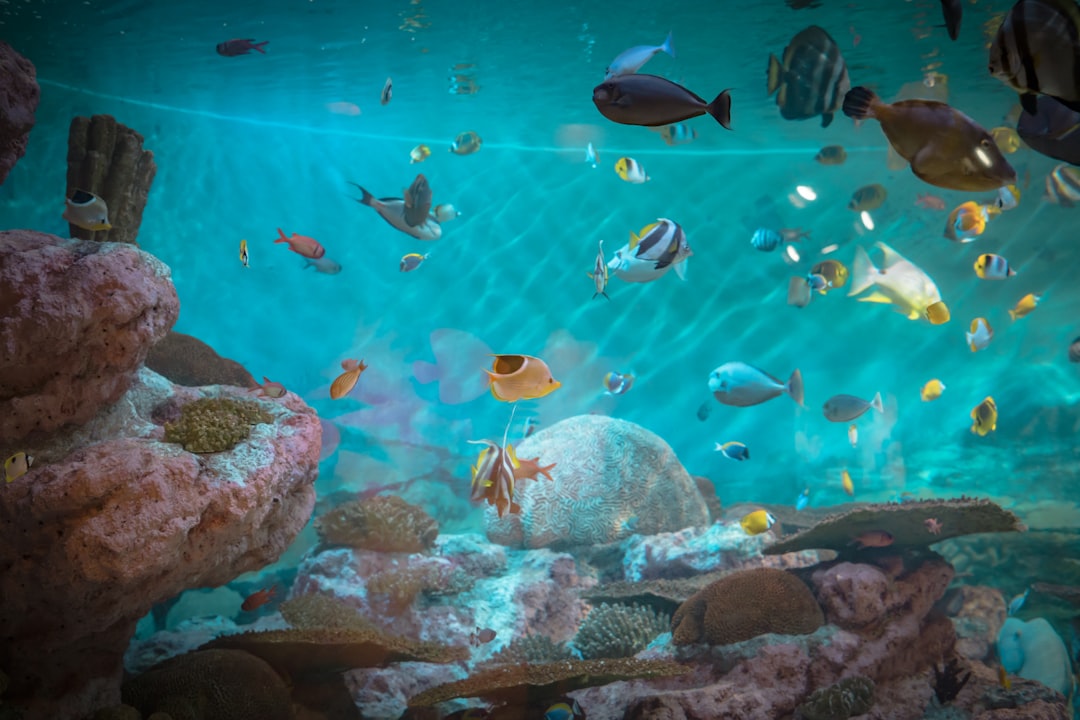
The difference between a restaurant that feels $80 a head and one that feels $40 a head is often the wall behind table three. A restaurant aquarium feature wall Singapore project does a lot of work in a small space — sets the lighting mood, masks the noise of the kitchen pass, and gives solo diners something to watch. It also has to pass NEA, sit inside a BCA-endorsed loading spec, and survive dinner service for five years. This guide from Gensou Aquascaping at 5 Everton Park is for restaurateurs, F&B concept designers, and fit-out project managers sizing up their first major tank.
Quick Facts
- Typical feature wall: 400-2500 litres, 180-400 cm length
- SGD installed cost: $20,000-$95,000 depending on volume and complexity
- Slab loading: a 1500 L tank concentrates 3.5 tonnes over 2.5 m² — PE letter mandatory
- Dining ambient lighting: 150-300 lux; tank should sit at 50-150 PAR to read dramatic
- NEA: feature wall must be physically separated from hot line, cold larder, and dishwash
- Monthly maintenance: $600-$1800 SGD
- Photoperiod: 8-10 hours aligned with service windows
The Dining Room Sightline
A feature wall has to work from three vantage points: the entrance (where guests form first impressions), the table (where they spend 90 minutes), and the bar (where solo diners migrate). Walk the empty shell and mark the tank centreline against each seated eye level. A 110-130 cm floor-to-waterline height covers standing hosts and seated diners. If the restaurant has a split-level mezzanine, extend the tank vertically so upper-floor diners see the top third rather than the cabinet.
Structural Planning With BCA in Mind
Feature walls at 1500+ litres load slabs at 3-4 tonnes. Retail tenancies in Marina One, Raffles City, and Great World all require a PE-endorsed structural letter before approval. Engage the PE at schematic stage, not during fit-out — it avoids the scenario where the tank has to be downsized after livestock is ordered. On raised platforms common in restaurant fit-outs, add a 50 x 50 mm steel RHS base with load-bearing pads transferring to the slab.
NEA Compliance for F&B Installations
NEA Food Hygiene Officers examine the physical relationship between the tank and food handling. Maintain a minimum 2 m clearance from the hot line, cold larder, dishwash pit, and ice well. The tank’s rear service access must not open into food prep. Drain lines from water changes route to a dedicated floor trap, not through the kitchen. Document the maintenance SOP in your HACCP plan — it preempts questions during licensing and annual inspections.
Livestock Selection for Ambient Dining
Diners eat for 60-120 minutes. The tank should reward a ten-minute glance and a five-minute stare. Large schools in motion beat a handful of solitary showpieces: 40-60 cardinal or rummy-nose tetras, 20-30 harlequin rasboras, or a tight school of Trigonostigma hengeli. Add a focal pair of discus or a group of rams for colour. In marine installations, yellow tangs, anthias, and firefish hold attention at dinner-watch distance. Avoid aggressive cichlids — nothing kills a $180 tasting menu like a territorial squabble at table five.
Lighting for Mood and Impact
Restaurant dining lighting sits at 150-300 lux, deliberately dim. Your tank should read noticeably brighter at 50-150 PAR at substrate, giving the jewel-box effect that draws the eye. Specify high CRI (92+) lighting with warm-to-neutral colour temperature (6000-7500 K), and run the photoperiod 30 minutes before service to 60 minutes after last seating. Dimming profiles matter — a hard on/off at 10 PM is jarring; a 20-minute ramp mimics sunset and lets late diners linger.
Equipment Selection for Commercial Duty
Restaurants run six to seven nights a week — equipment duty cycles are brutal. Specify oversized filtration (3x turnover minimum), DC return pumps with soft-start, redundant heaters on independent controllers, and a commercial UV steriliser (18-36 W). Auto top-off is mandatory. Add a Wi-Fi temperature alarm (Inkbird or Apex) with escalation to the venue manager after 30 minutes of unacknowledged alerts.
SGD Pricing Tiers
A 400 litre feature wall with cabinet, filtration, lighting, and livestock starts around $20,000 SGD installed. Mid-tier 800-1200 litre installations with CO2, aquasoil, imported hardscape, and a chiller fall in the $35,000-$55,000 band. Flagship 1800-2500 litre feature walls with custom millwork, marine livestock, redundant life support, and a one-year service contract reach $75,000-$95,000. Plan the budget at schematic stage — retrofitting a chiller or larger sump post-handover costs 1.5-2x the original line item.
Service Contracts That Match Restaurant Rhythm
Restaurants close Mondays or Tuesdays — that is your service window. Fortnightly visits during the closure morning handle water changes, filter work, and livestock health. Budget $600-$1800 SGD monthly depending on volume. Staff handle only feeding and glass wiping. Never assign the sommelier to dose ferts; it always ends with an overdose of excited rocks and a call at 11 PM on a Saturday.
Related Reading
Aquarium for Restaurant Singapore
Aquarium for Bar Restaurant Singapore
Aquarium for Ramen Restaurant Singapore
Custom Aquarium Build Guide Singapore
Aquarium Maintenance Cost Singapore



