
Reef Tank ICP-OES Test Interpretation: Reading Your Report
ICP-OES reports land in your inbox looking like a chemistry exam, and most hobbyists fixate on a single red cell while missing the real story. Proper reef tank ICP-OES test interpretation starts with reading the full element profile in context, not chasing individual numbers. This guide from Gensou Aquascaping at 5 Everton Park walks you through a typical report from ATI, Triton or Oceamo, the same labs Singapore reefers ship samples to. Expect a level-headed approach rather than panic dosing. This guide sits inside our broader Saltwater Reef Tank Master Guide reference.
What ICP-OES Actually Measures
Inductively coupled plasma optical emission spectroscopy atomises your sample at around 10,000°C and reads the light each element emits. That gives quantitative values for roughly 30 elements down to parts per billion for trace metals. Unlike titration kits, ICP cannot differentiate oxidation states, so iron reads as total iron regardless of whether it is bioavailable.
Results are only as good as the sample. Collect 50 ml mid-water, away from the skimmer, ideally at the same time of day each quarter so comparisons are meaningful.
The Big Three: Calcium, Alkalinity and Magnesium
Target calcium of 420-440 ppm, alkalinity 7.5-8.5 dKH and magnesium 1280-1350 ppm. ICP reports alkalinity indirectly via inorganic carbon, so cross-check with your own titration the day you post the sample. A low magnesium reading alongside stubborn alkalinity drift almost always points to precipitation on heaters and pump volutes rather than uptake.
Read our calcium alkalinity stability reef primer if the three are fighting each other.
Salinity and Major Ions
Sodium should sit near 10,800 ppm and chloride near 19,400 ppm at 35 ppt. Deviations of more than 3% often reveal a refractometer that has drifted rather than a genuine salt imbalance. Potassium at 380-420 ppm and strontium at 7-10 ppm round out the majors.
Trace Elements Worth Acting On
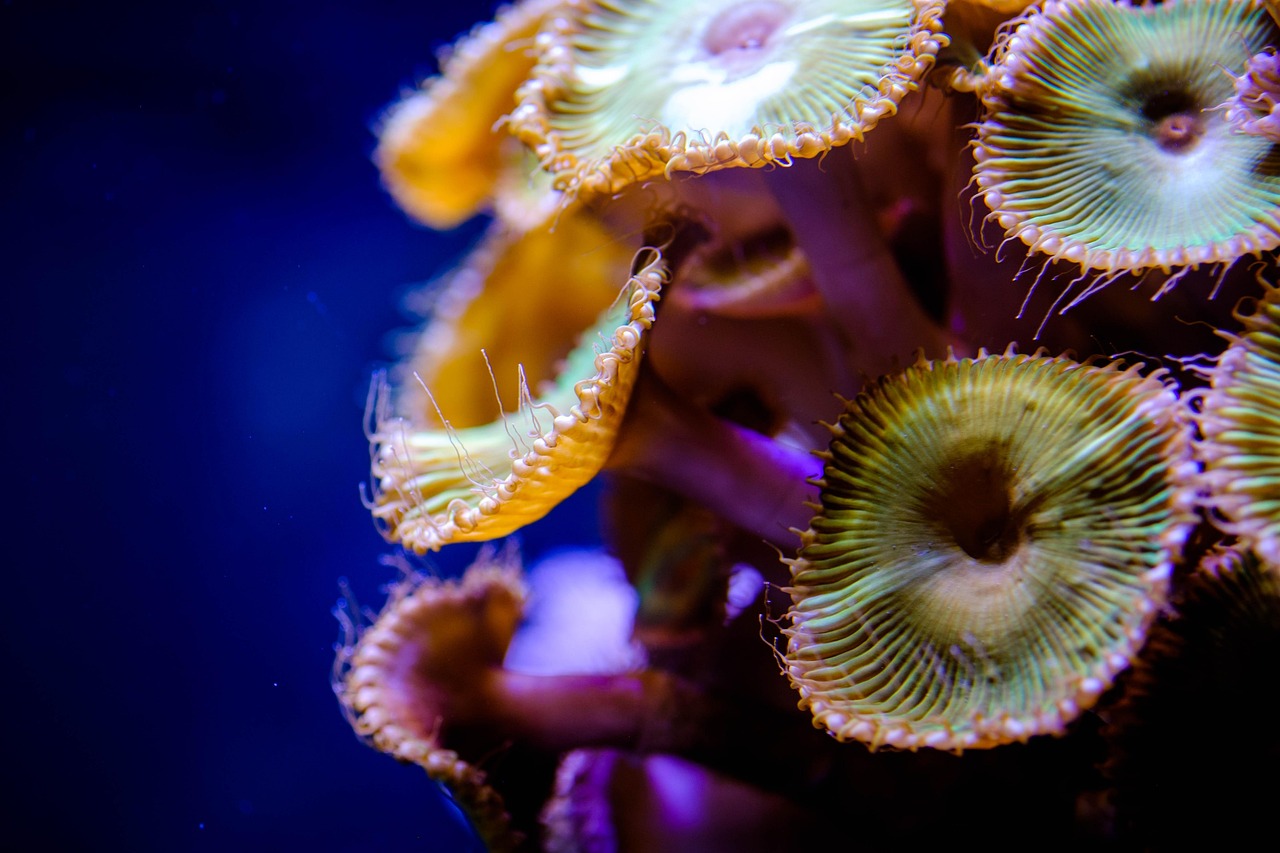
Iodine, iron, manganese and zinc drive coral coloration and tissue health. Iodine below 0.04 ppm correlates with pale zoanthids and soft corals; iron below 0.001 ppm can starve macroalgae in refugiums. Avoid blind trace dosing – bring one element at a time up to the lab reference range and retest in four weeks.
Red Flag Contaminants
Copper above 0.003 ppm, aluminium above 0.01 ppm and tin above any detectable level warrant investigation. Copper usually traces back to a brass fitting, medicated fish, or salt mix variance. Aluminium spikes follow fresh GFO media that was not rinsed before use.
Pair the report with your own best marine test kit complete workflow for weekly sanity checks.
Phosphate, Nitrate and the Nutrient Picture
Aim for phosphate 0.03-0.08 ppm and nitrate 2-8 ppm. ICP phosphate often reads lower than Hanna ULR because ICP measures total phosphorus and the sample ages in transit. Trust your in-tank colorimetric reading for dosing decisions and use ICP for trend direction only.
Lithium, Boron and the Quiet Majors
Lithium near 0.18 ppm and boron near 4.5 ppm rarely need intervention but large deviations flag salt mix contamination. If boron creeps above 6 ppm after a new bucket, swap brands at your next water change rather than dosing correctives.
Comparing Labs Without Losing Sleep
ATI, Triton and Oceamo calibrate differently. A 15% spread on magnesium between labs is normal. Pick one provider, stick with it for at least a year, and only compare your own tank against your own history. Singapore postal transit to Germany takes 5-7 working days; samples held at room temperature longer than that skew low on volatile trace.
Building a Dosing Response
Correct one element per fortnight. Rushing six corrections at once makes the next ICP impossible to interpret. Use the Balling or two-part routines detailed in our two part dosing guide reef tank and balling method reef dosing guide to deliver corrections steadily rather than in shock doses.
How Often to Test
Quarterly ICP is plenty for stable mixed reefs. SPS-dominant systems running lean nutrients benefit from bi-monthly sampling during the first year, tapering to quarterly once growth and coloration settle. Keep the PDFs in a folder and plot your own trendlines; the narrative across four tests tells you far more than any single report.
Singapore Shipping Tips
Local reefers typically use registered airmail via SingPost to ATI or Triton, costing around $12-15 SGD plus the test fee. Post on a Monday so the sample does not sit in a humid letterbox over the weekend. Drop us a note if you want to compare reports against our house reference tank.
Related Reading



