
Wild Caught Fish Acclimation Guide: Quarantine and Feeding
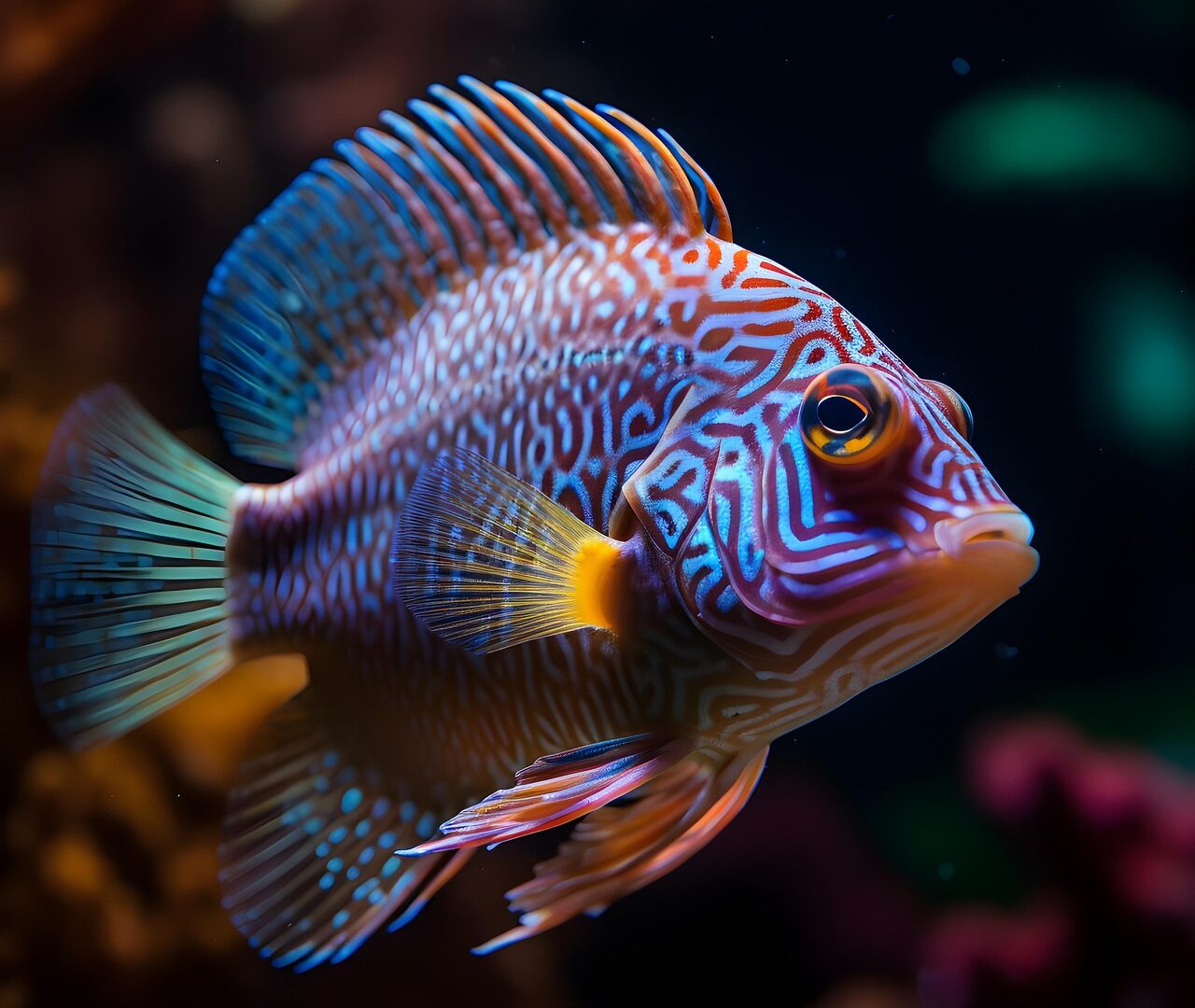
A wild-caught fish has been in a bag for 30-72 hours, dosed with antibiotics, packed with its own ammonia, and arrived into water vastly different from its home stream. This wild caught fish acclimation guide codifies the protocol Gensou Aquascaping in Everton Park has refined through two decades of importing from Indonesia, Peru, and West Africa. Mortality on wild fish is usually not bad luck — it is a sequence of predictable stressors that compound when acclimation is rushed.
Receiving the Shipment
Open bags in a dim, quiet room away from household noise. Float bags for 15-20 minutes only to equalise temperature, not parameters. Prolonged floating in sealed bags with decaying water is worse than a quick transfer because ammonia spikes as pH rises during oxygen exchange. Test pH, temperature, and TDS of the bag water to know what gap you are bridging.
Drip Acclimation Properly
Transfer the fish to a bucket with just enough bag water to cover them. Drip tank water at 2-3 drops per second from a knotted airline — slower for sensitive species like wild discus or Altum angels. Over 45-60 minutes the original bag volume should triple. Discard half, then continue dripping for another 30 minutes. This is the only drip speed that consistently avoids osmotic shock in soft-water species.
The Quarantine Setup
A bare-bottom 40-60 litre tank with a seeded sponge filter, dim light, and a few PVC pipe caves is the standard. No substrate, no plants, no scape — the goal is visibility and easy cleaning. Heat to match their native range, typically 26-28°C for South American blackwater species. Our freshwater quarantine tank setup article details the build.
Water Chemistry for First 72 Hours
Match the source water, not your tap. Wild blackwater fish want pH 5.5-6.5, GH under 3, and heavy tannins. Use RO water with Indian almond leaves, alder cones, and a pinch of peat. Hard-water Rift Lake fish want exactly the opposite. Moving them directly into unmodified Singapore tap water — GH 2-4, pH 7.5 after dechlorination — is a survivable shock for many species but not for delicate wild imports.
Dimming and Cover
Leave the tank in near-darkness for the first 24-48 hours. Wrap sides with black card if needed. Add floating plants or a black plastic lid section overhead for overhead cover. Wild fish associate open water and bright light with predation, and stress-driven cortisol release suppresses immunity for a full week after arrival.
First Feed Protocol
Do not feed for the first 24 hours. On day two, offer live food only — daphnia, baby brine shrimp, blackworm. Wild fish recognise movement, not pellets. Once eating live, introduce frozen, then prepared foods over 2-3 weeks. Force-feeding pellets from day one is a leading cause of refusal and chronic starvation in wild imports.
Prophylactic Treatment
After 72 hours of stable behaviour, begin a prophylactic course. Levamisole at 2 mg per litre handles most nematodes. Praziquantel at 5 mg per litre clears flukes and tapeworms. Do both in week one, then observe week two with no meds. Only add antibiotics if specific symptoms appear — broad-spectrum dosing of stressed fish kills more than it saves.
Minimum Quarantine Duration
Four weeks minimum for wild-caught fish, six weeks for suspected long-distance imports, eight weeks if any tankmate has shown symptoms. This is longer than captive-bred QT because parasite loads are higher and latent pathogens take longer to express.
Species-Specific Adjustments
Wild apistogrammas need softer water and more hiding caves. Wild discus need warmer temperatures (29-30°C) and aggressive daily water changes. Hillstream loaches need immediate high flow and oxygen or they fail within hours. Research each species’ wild water chemistry before the shipment arrives, not after. See our wild-caught acclimation safety guide for species detail.
Signs of Successful Acclimation
A settled wild fish shows normal colour within 5-7 days, actively feeds by day 10, and begins exploring the tank by week two. Fish still hiding and refusing food at day 14 are heading toward mortality and need intervention — usually a parameter adjustment, not more medication.
Final Transfer to Display
At week four, drip-acclimate from quarantine to display water over 90 minutes. Move fish during low-light hours and skip feeding the following 24 hours. Observe for another week in the display before adding any companions. This measured pace is what separates 90 per cent survival from 40 per cent.
Related Reading



