Marine Pellet Shootout Comparison: TDO, NLS, Hikari Marine
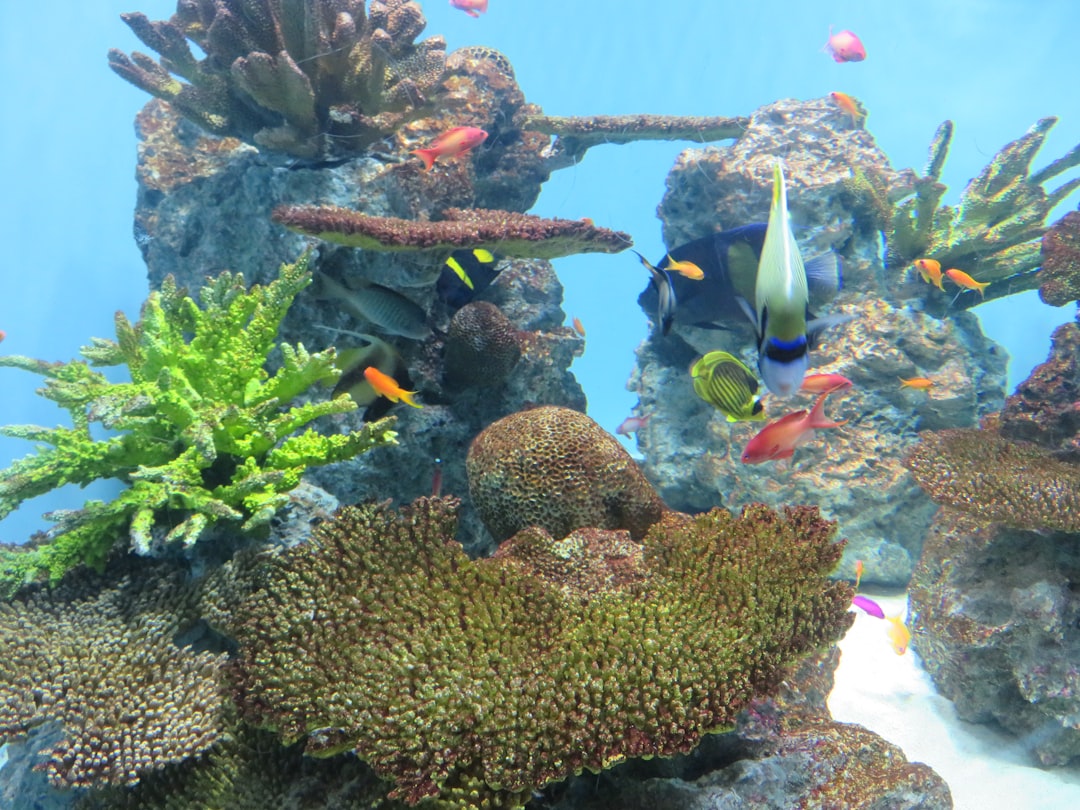
Ask three reefers which marine pellet they feed and you will hear three different answers, each delivered with total confidence. The marine staple shelf in Singapore reef shops is dominated by three names: Reef Nutrition TDO Chroma Boost, New Life Spectrum Marine Formula, and Hikari Marine. This marine pellet shootout comparison from Gensou Aquascaping at 5 Everton Park, Singapore, pits them head-to-head on ingredients, pellet behaviour, fish response, and real reef-tank value after two decades of feeding marine communities.
The Contenders in Brief
TDO Chroma Boost ships in three size grades (A, B, C) and markets itself on high astaxanthin loading from natural sources. NLS Marine Formula uses a single size per SKU but claims a full-spectrum amino acid profile with kelp and herring as lead ingredients. Hikari Marine comes in multiple variants, including a popular sinking marine S formulation and a floating marine S. Prices in Singapore sit within a tight band: roughly $30-45 per 100g-150g across all three.
Ingredient Philosophy
TDO leads with krill meal, whole herring meal, and squid meal, supplemented with a cocktail of algaes — haematococcus for astaxanthin, schizochytrium for DHA. NLS lists whole fish meal, krill meal, and a long vegetable list including kelp, spirulina, and garlic. Hikari Marine uses a more traditional fish meal base with supplemented vitamins and Hikari’s stabilised vitamin C. TDO and NLS both sit above 50 per cent protein; Hikari is slightly lower at around 46 per cent.
Pellet Physical Behaviour
TDO pellets are the smallest for their labelled grade — TDO-B runs 1mm-1.5mm — and they sink at a controlled moderate pace. NLS Marine S sinks faster and holds shape for longer before softening, which matters in high-flow reef displays where pellets can tumble into the sump. Hikari Marine S is roughly comparable to NLS on sinking rate but softens earlier and clouds the water slightly in the first minute.
Fish Response in Mixed Reef
Across a 400-litre mixed reef with tangs, anthias, chromis, and a pair of clowns, TDO draws the strongest first-bite response, likely from the krill dominance. Anthias in particular hit TDO harder than the other two, which matters because anthias that do not feed aggressively waste away within weeks. NLS gets universal acceptance across every species but slightly lower initial enthusiasm. Hikari Marine is accepted but ranks lowest among the three on eagerness.
Colour Performance After 8 Weeks
Colour gains on TDO are the most pronounced — yellow tangs deepen noticeably, anthias retain breeding pinks, and clownfish orange intensifies. This tracks with the higher astaxanthin loading. NLS produces steady, broad colour gains without any single species standout. Hikari produces moderate gains, comparable to an OTC community food. For a display where colour matters, TDO has a real edge.
Water Quality Impact
Feeding a marine pellet over months tells you a lot about its leach profile. TDO and NLS both run clean; phosphate rises stay modest with GFO-assisted filtration. Hikari Marine leaves a slightly heavier residue, and reefers running lean nutrient systems like Triton or ULN see PO4 creep faster on Hikari than on the other two. In a well-skimmed system this is minor; in a low-nutrient SPS-dominated reef it matters.
Size Matching Across the Three
TDO’s A-B-C grade system is the most practical for mixed communities — you can feed A grade to chromis juveniles while C grade lands for tangs. NLS requires buying two separate SKUs to cover the same range. Hikari’s size spread is similar to NLS. If you keep both small anthias and large tangs, TDO’s grade range wins on logistics alone.
Price per Gram in Singapore
Local retail numbers as of recent stock: TDO Chroma Boost 113g at around $35, NLS Marine 150g at around $32, Hikari Marine 100g at around $20. Per gram, Hikari is the cheapest by a clear margin. TDO sits in the middle, NLS comes closest to TDO when you account for grade sizing. For a heavy stocking, the annual feed bill on Hikari is roughly 40 per cent lower.
Shelf Life and Oxidation
All three ship in foil pouches or nitrogen-flushed tubs, but once opened, TDO and NLS show visible oil sheen degradation after four to six months in Singapore humidity. Decant into smaller jars, freeze the backups, and you extend usable life to the full year. Hikari’s stabiliser package holds up marginally longer after opening.
Best Use Cases
Choose TDO if you run a mixed reef with anthias, wrasses, or any species where colour retention and first-strike response matter. Choose NLS for a broad, no-surprises staple across every marine fish in the tank. Choose Hikari if budget is the primary concern and your display is tolerant of slightly heavier nutrient export. Most reefers end up with TDO as a staple and one of the others as a secondary.
The Rotation Argument
No marine fish was designed to eat only pellets. Supplement any of these three with frozen mysis, enriched brine, and a weekly nori feed for herbivorous species. Fish fed exclusively on a single pellet — however premium — underperform those on a rotated diet by clear measures: colour, growth, and spawning frequency.
Related Reading