Best Fish Food Pellets Compared: Sinking, Floating and Micro
Choosing the right pellet can mean the difference between vibrant colour and a cloudy tank. A thorough best fish food pellet comparison for your aquarium should weigh protein content, pellet size, sink rate, and water pollution — not just the brand on the label. At Gensou Aquascaping, 5 Everton Park, Singapore, we feed a variety of community and species tanks daily, and we have strong opinions on which pellets deliver results.
Floating vs Sinking vs Slow-Sinking Pellets
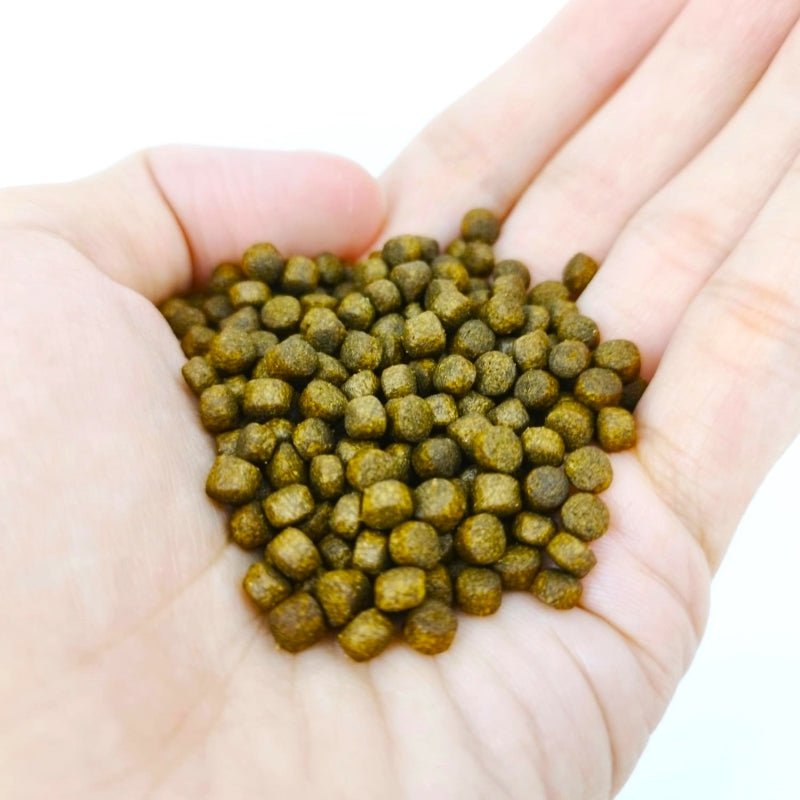
Floating pellets suit surface feeders like hatchetfish and many livebearers. They let you watch exactly how much is consumed, reducing waste. Sinking pellets target bottom dwellers — corydoras, loaches, and plecos that rarely venture to the surface. Slow-sinking types split the difference, drifting through the mid-water column long enough for tetras, rasboras, and barbs to intercept them. Matching pellet behaviour to your fish’s natural feeding zone is the single biggest factor in reducing uneaten food.
Pellet Size Guide
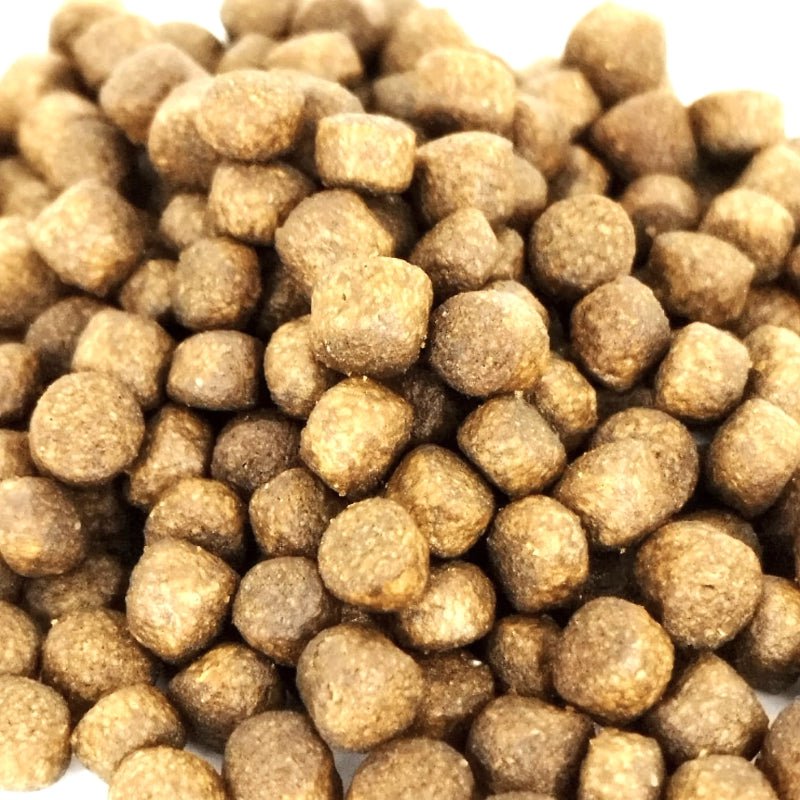
Micro pellets (0.5-1.0 mm) work for fish under 3 cm — ember tetras, chili rasboras, and small Boraras species. Standard small pellets (1.0-1.5 mm) suit most community fish up to 5 cm. Medium pellets (2-3 mm) are right for larger barbs, gouramis, and juvenile cichlids. Feeding an oversized pellet forces small fish to mouth and spit repeatedly, breaking the pellet apart and fouling the water column.
Protein and Ingredient Quality
Look for whole fish or insect meal as the first ingredient rather than wheat flour or soy. Protein content between 40 % and 50 % supports growth without excess waste. Spirulina or astaxanthin in the formula enhances red and orange pigmentation noticeably within two to three weeks. Avoid pellets with artificial dyes — they tint your water and offer no nutritional value.
Brands We Have Tested Extensively
Hikari Micro Pellets remain a gold standard for nano fish. They sink slowly, hold together well, and contain spirulina for colour. A 45 g tub runs about $12 on Shopee and lasts roughly two months for a moderately stocked 60-litre tank. Fluval Bug Bites use black soldier fly larvae as the primary protein — an excellent choice for insectivorous species and noticeably less water cloudiness than many competitors.
Northfin pellets, though harder to find locally, consistently rank high for ingredient transparency. Their 1 mm community formula lists whole Antarctic krill first and contains no fillers. Expect to pay around $18 for a 100 g container, usually ordered through Carousell resellers.
Water Clarity After Feeding
We ran a simple turbidity test across six popular pellets: drop ten pellets into 500 ml of tank water, wait 30 minutes, then measure clarity. Budget pellets from generic brands broke down within five minutes, releasing a starchy cloud. Hikari, Fluval Bug Bites, and Northfin held structural integrity for well over 20 minutes. In a small planted tank, that difference translates directly into less filter clogging and fewer water changes.
Feeding Frequency and Portion Control
Two small feedings per day beat one large feeding for both digestion and water quality. Offer only as many pellets as your fish consume within 60 to 90 seconds. In Singapore’s warm conditions — tank water often sits at 28-30 °C — metabolism runs high, so fish digest quickly but uneaten food also decays fast. A feeding ring helps concentrate floating pellets and prevents them from drifting into plant thickets where they rot unseen.
Supplementing Pellets With Other Foods
Even the best fish food pellet cannot cover every nutritional need on its own. Rotate in frozen bloodworms, blanched vegetables for herbivores, and occasional live foods like daphnia or brine shrimp. This variety mimics natural diet diversity and keeps your fish eager at feeding time rather than bored with a single flavour. A balanced diet also strengthens immunity — vital in a warm tropical aquarium where pathogens thrive.
Related Reading
- Best Shrimp Food Compared: Pellets, Powders and Biofilm Boosters
- Best Fry Food for Aquariums: Powder, Liquid and Infusoria
- Best Food-Grade Silicone Sealant for Aquarium Repairs
- Best Fish Food for Colour Enhancement: Astaxanthin and Carotenoids
- Best Shrimp Food: Pellets, Powders and Supplements Compared